01 / Morfologi

Ciri dan struktur

Allographa leptospora has a whitish thallus (the main body of the lichen) that produces a distinctive yellow-to-red reaction when potassium hydroxide (KOH) solution is applied, indicating the presence of norstictic acid. This chemical composition was confirmed through thin-layer chromatography testing. The lichen's reproductive structures, called , are classified as "acharii-morph" type—relatively thick and featuring distinctive striations (parallel grooves or ridges). Unlike many related species in the genus Graphis found in Portugal, A. leptospora has a hymenium (the spore-producing layer) that is not , meaning it lacks oil droplets dispersed throughout this tissue. Its (spores produced in sac-like structures called asci) show considerable size variation, typically ranging from 40 to 75 micrometres (μm) in length and 8.0 to 9.5 μm in width, though extremes from 27 to 100 μm in length and 7.2 to 11.5 μm in width have been observed. The ascospores are transversely divided by up to 15 septa (internal walls), and their length-to-width ratio ranges from 5 to 8, though ratios as low as 3.4 and as high as 9.7 have been recorded.

Sebagian uraian ditampilkan dalam bahasa sumber; terjemahannya belum tersedia atau belum lolos pemeriksaan.

Rujukan: [1]

Pengukuran mengikuti objek, spesimen atau kultur, dan metode yang disebutkan sumber. Baca uraian asli untuk konteks lengkap.

02 / Kehidupan

Habitat dan peran ekologis

Allographa leptospora was first documented in Europe in 2016, when it was discovered in Portugal. Prior to this finding, the species was only known from tropical regions, with its type locality in Thailand. The European specimens were collected from two distinct regions in Portugal with suitable microclimates: the Sintra Mountains and the . In the Serra de Sintra, a granitic mountain range near Lisbon, the lichen was found growing in oak forests at elevations between 430 and 440 metres. In the Planalto das Cezaredas, a plateau in the western region of Portugal spanning four counties (Bombarral, Lourinhã, Óbidos and Peniche), specimens were collected in Quercus coccifera habitats at about 150 metres elevation. Researchers have suggested that the presence of this predominantly tropical species in Portugal may be linked to climate change, as Portugal's climate has become notably wetter and warmer in recent decades. This ecological shift potentially created suitable conditions for tropical lichen species to establish in certain European microclimates. The discovery was part of a broader finding of seven tropical Graphis (and Allographis) species new to Europe, doubling the number of Graphis species known from the continent at the time.

Sebagian uraian ditampilkan dalam bahasa sumber; terjemahannya belum tersedia atau belum lolos pemeriksaan.

Rujukan: [1]

Habitat atau konteks temuan
hutan
Substrat
Informasi belum tersedia pada sumber rilis ini.
Peran atau konteks
Pembentuk liken
Temukan hubungan serupa
03 / Siklus hidup

Reproduksi

The lichen's reproductive structures, called , are classified as "acharii-morph" type—relatively thick and featuring distinctive striations (parallel grooves or ridges). Unlike many related species in the genus Graphis found in Portugal, A. leptospora has a hymenium (the spore-producing layer) that is not , meaning it lacks oil droplets dispersed throughout this tissue. Its (spores produced in sac-like structures called asci) show considerable size variation, typically ranging from 40 to 75 micrometres (μm) in length and 8.0 to 9.5 μm in width, though extremes from 27 to 100 μm in length and 7.2 to 11.5 μm in width have been observed. The ascospores are transversely divided by up to 15 septa (internal walls), and their length-to-width ratio ranges from 5 to 8, though ratios as low as 3.4 and as high as 9.7 have been recorded.

Sebagian uraian ditampilkan dalam bahasa sumber; terjemahannya belum tersedia atau belum lolos pemeriksaan.

Rujukan: [1]

Sinonim menurut acuan taksonomi rilis: Graphis leptospora
04 / Batas informasi

Catatan identitas dan cakupan

  • Nama diterima mengikuti Catalogue of Life Base2026-09-11; uraian mempertahankan konsep dan nama sumber aslinya.
  • Original geographic, specimen and life-cycle scope retained; source import awaits individual editorial review.
  • Impor dan terjemahan otomatis belum diperiksa editorial per profil. Struktur reproduktif yang disebutkan tidak membuktikan seluruh siklus hidup diketahui.
  • Pengukuran pada uraian mengikuti spesimen, kultur, dan metode sumber; angka tidak diperluas ke semua populasi.

Catatan distribusi dalam narasi mengikuti sumbernya. Dokumentasi spesimen atau foto mengikuti catatan sumber. Bukti wilayah Indonesia dan penilaian konservasi tidak disimpulkan dari gambar.

05 / Dokumentasi

Melihat dengan konteks

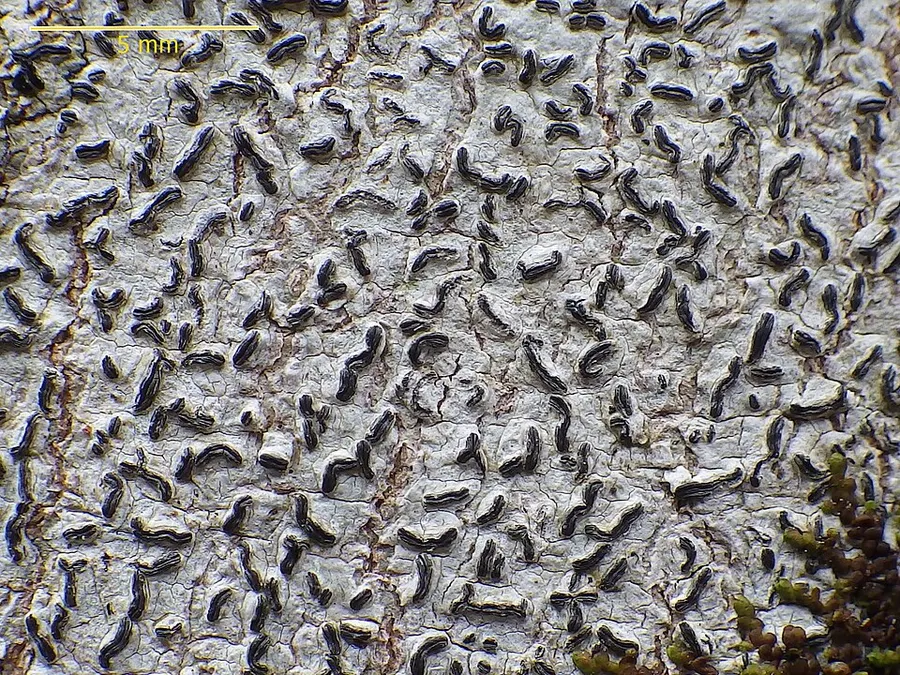
Dokumentasi Allographa leptospora dari Wikimedia Commons. The lichen Graphis leptospora Vain.; photographed in Sintra, Portugal. See Mushroom Observer page for detailed and extensive collection notes. Identifikasi mengikuti record berkas sumber.

Jenis
Fotografi
Kredit
zaca
Sumber media
Buka entri sumber

Gambar menunjukkan objek menurut identifikasi sumber, bukan verifikasi independen spesimen oleh Fungi. Tidak ada skala baru yang ditambahkan.

06 / Rujukan

Sumber profil

  1. [1] Allographa leptospora — Wikipedia (en)Bagian sumber: Frozen revision 1341957540
    Tanggal penghimpunan sumber: 2026-10-12
    Teks sumber: CC BY-SA4.0 · Wikipedia contributors
  2. [2] Catalogue of Life Base2026-09-11 — Allographa leptosporaBagian sumber: ColDP NameUsage.tsv ID 5TWP7; accepted species; source 2073
    Tanggal penghimpunan sumber: 2026-10-12
  3. [3] Dokumentasi visual — Allographa leptosporaBagian sumber: Individual media record; identification follows the source, not independent determination
    Tanggal penghimpunan sumber: 2026-10-12
    Media sumber: CC BY-SA 3.0 · zaca

Adaptasi teks: CC BY-SA 4.0. Wikipedia contributors — Allographa leptospora — Wikipedia (en)

Uraian asli dan riwayat sumber

Riwayat atau halaman sumber

Ringkasan sumber

Allographa leptospora is a species of script lichen in the family Graphidaceae. It is characterized by its whitish thallus and distinctive reproductive structures with parallel striations. First described in 1921 by the Finnish lichenologist Edvard August Vainio as Graphis leptospora based on specimens collected from Thailand, the species was later reclassified into the genus Allographa in 2018. This predominantly tropical lichen contains norstictic acid, producing a yellow-to-red chemical reaction when tested.

Revisi sumber

Morfologi sumber

Allographa leptospora has a whitish thallus (the main body of the lichen) that produces a distinctive yellow-to-red reaction when potassium hydroxide (KOH) solution is applied, indicating the presence of norstictic acid. This chemical composition was confirmed through thin-layer chromatography testing. The lichen's reproductive structures, called , are classified as "acharii-morph" type—relatively thick and featuring distinctive striations (parallel grooves or ridges). Unlike many related species in the genus Graphis found in Portugal, A. leptospora has a hymenium (the spore-producing layer) that is not , meaning it lacks oil droplets dispersed throughout this tissue. Its (spores produced in sac-like structures called asci) show considerable size variation, typically ranging from 40 to 75 micrometres (μm) in length and 8.0 to 9.5 μm in width, though extremes from 27 to 100 μm in length and 7.2 to 11.5 μm in width have been observed. The ascospores are transversely divided by up to 15 septa (internal walls), and their length-to-width ratio ranges from 5 to 8, though ratios as low as 3.4 and as high as 9.7 have been recorded.

Revisi sumber

Ekologi sumber

Allographa leptospora was first documented in Europe in 2016, when it was discovered in Portugal. Prior to this finding, the species was only known from tropical regions, with its type locality in Thailand. The European specimens were collected from two distinct regions in Portugal with suitable microclimates: the Sintra Mountains and the . In the Serra de Sintra, a granitic mountain range near Lisbon, the lichen was found growing in oak forests at elevations between 430 and 440 metres. In the Planalto das Cezaredas, a plateau in the western region of Portugal spanning four counties (Bombarral, Lourinhã, Óbidos and Peniche), specimens were collected in Quercus coccifera habitats at about 150 metres elevation. Researchers have suggested that the presence of this predominantly tropical species in Portugal may be linked to climate change, as Portugal's climate has become notably wetter and warmer in recent decades. This ecological shift potentially created suitable conditions for tropical lichen species to establish in certain European microclimates. The discovery was part of a broader finding of seven tropical Graphis (and Allographis) species new to Europe, doubling the number of Graphis species known from the continent at the time.

Revisi sumber

Struktur reproduksi sumber

The lichen's reproductive structures, called , are classified as "acharii-morph" type—relatively thick and featuring distinctive striations (parallel grooves or ridges). Unlike many related species in the genus Graphis found in Portugal, A. leptospora has a hymenium (the spore-producing layer) that is not , meaning it lacks oil droplets dispersed throughout this tissue. Its (spores produced in sac-like structures called asci) show considerable size variation, typically ranging from 40 to 75 micrometres (μm) in length and 8.0 to 9.5 μm in width, though extremes from 27 to 100 μm in length and 7.2 to 11.5 μm in width have been observed. The ascospores are transversely divided by up to 15 septa (internal walls), and their length-to-width ratio ranges from 5 to 8, though ratios as low as 3.4 and as high as 9.7 have been recorded.

Revisi sumber

Rujukan halaman ini

Fungi. Allographa leptospora. Rilis data fungi-2026-10-12-expansion-2. https://fungi-atlas.mgadib.chatgpt.site/jamur/allographa-leptospora/.

Status: impor sumber; pemeriksaan editorial per profil belum selesai. Untuk klaim biologis, gunakan rujukan pada bagian terkait dan periksa konteks sumber aslinya.