Ciri dan struktur
The growth form of Anaptychia ciliaris merges characteristics of both foliose (leafy) and fruticose (bushy) lichens. Like many fruticose species, this lichen attaches to its at a single point. Its fronds, akin to of foliose lichens, lie close to the substrate with distinct upper and lower structures in a dorsiventral organization. This structure comprises an upper fibrous of tightly packed hyphae and an with interspersed between the cortex and the medulla's looser hyphae. Its lower cortex is made of hyphae that are aligned more or less parallel to the surface. The lichen's upper surface is greyish, and the underside can be greyish or whitish, with both sides turning green when wet. This lichen forms loose attachments to its substrate, allowing it to develop large colonies up to 15 cm or more across. These colonies comprise neighbouring individuals each with elongated, linear structures () that repeatedly branch (into roughly equal parts). The laciniae generally have an upward, somewhat ascending orientation. Their width is up to about 2 mm, and they are about 300 μm thick. They appear either flat or somewhat convex and are covered in soft, fine hairs (). The fibrous outer cortex imparts structural strength to the laciniae, helping them maintain an upright orientation. Numerous pale, lateral lie along the margins of the laciniae. They are dark grey to black and up to 15 mm long. Sometimes, these long cilia form —specialized aerial attachment organs with highly adhesive hyphae. Upon contact with nearby surfaces, often another lobe of its own thallus, these hapters induce branching and create a spreading sheath, leading to entanglement.
Habitat dan peran ekologis
Anaptychia ciliaris has a widespread but primarily Northern Hemisphere distribution, with its main range encompassing Europe, parts of Asia, and North Africa, while being notably absent from North America. Primarily found in Northern Europe, the distribution of A. ciliaris extends eastward to European Russia, the Caucasus, and northeastern Russia (Murmansk). It is also present in Central and Southern Europe, and the Canary Islands. In Africa, it is established across Morocco, and has been reported from Sudan. The lichen has sporadic records in Asia. In China, specimens have been collected from Xinjiang, Gansu, Shaanxi, and Hebei, at altitudes above 1800 m. Anaptychia ciliaris was among the top three most abundant lichens in Turkey's Lake Abant Nature Park 2018 biodiversity survey. In contrast, northern Germany and the UK have seen a decline in sightings. It is rare in Ireland, and nearly extinct in North East England. By 2010, Scotland recorded A. ciliaris in only four locations, with its scarcity attributed to air pollution and the declining elm tree population, impacted by Dutch elm disease. A century ago, it was more common in the UK, typically found thriving on trees in parklands and along cultivated roadsides.
- Habitat atau konteks temuan
- Informasi belum tersedia pada sumber rilis ini.
- Substrat
- Informasi belum tersedia pada sumber rilis ini.
- Peran atau konteks
- Pembentuk liken
Reproduksi
Apothecia, the reproductive structures, are found on the thallus. These structures are usually (spread over the thallus surface), and either stipitate (with a stipe) or somewhat (directly on the thallus). Their diameters range from 2 to 5 mm. Their margins are lacinulate (tattered), with ciliate lacinules along the edges. The of the apothecia is brown or dark brown, initially covered in a white that may fade. The receptacle's hymenium, 150–200 μm tall, turns blue when stained with iodine. Its cortex is irregularly thickened and resistant to iodine staining. The cylindrical or asci measure about 120 by 30 μm and usually contain between four and eight spores. Spores are dark brown, ellipsoid with rounded tips, and somewhat constricted at the centre.
Catatan identitas dan cakupan
- Nama diterima mengikuti Catalogue of Life Base2026-09-11; uraian mempertahankan konsep dan nama sumber aslinya.
- Original geographic, specimen and life-cycle scope retained; source import awaits individual editorial review.
- Impor dan terjemahan otomatis belum diperiksa editorial per profil. Struktur reproduktif yang disebutkan tidak membuktikan seluruh siklus hidup diketahui.
- Pengukuran pada uraian mengikuti spesimen, kultur, dan metode sumber; angka tidak diperluas ke semua populasi.
Catatan distribusi dalam narasi mengikuti sumbernya. Dokumentasi spesimen atau foto mengikuti catatan sumber. Bukti wilayah Indonesia dan penilaian konservasi tidak disimpulkan dari gambar.
Melihat dengan konteks
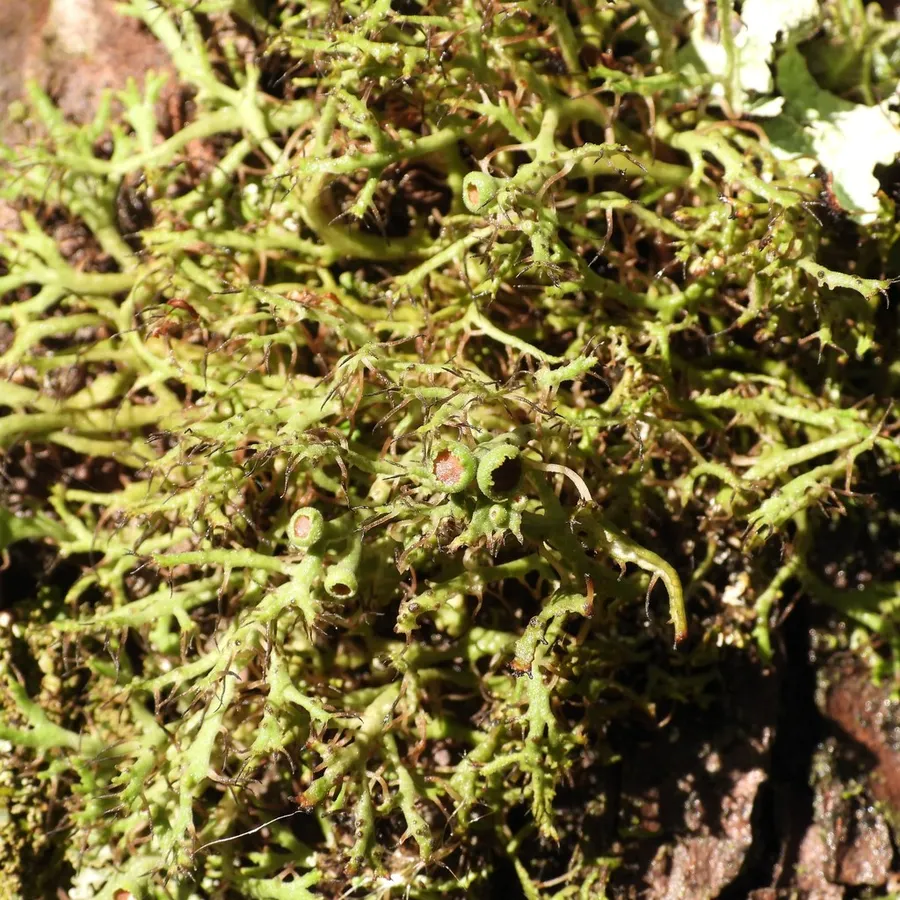
Dokumentasi Anaptychia ciliaris menurut asosiasi foto pada record takson iNaturalist. Kredit: Vesa Oikonen. Identitas mengikuti sumber; bukan penentuan spesimen independen.
- Jenis
- Fotografi
- Kredit
- no rights reserved, uploaded by Vesa Oikonen
- Lisensi
- CC0 1.0
- Sumber media
- Buka entri sumber
Dokumentasi tambahan
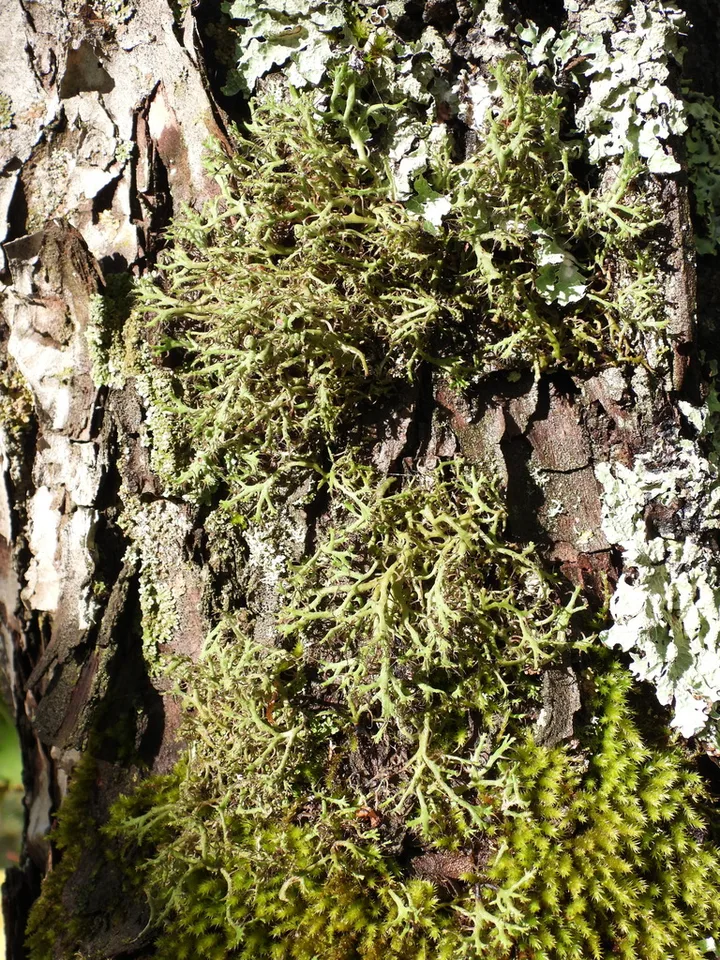
Foto yang diasosiasikan dengan Anaptychia ciliaris pada iNaturalist. Identifikasi mengikuti sumber; bukan penentuan spesimen independen.
Kredit dan penggunaan
no rights reserved, uploaded by Vesa Oikonen
Ukuran dan format gambar disesuaikan tanpa pemotongan, retus, atau penambahan skala. Lisensi sumber dipertahankan.
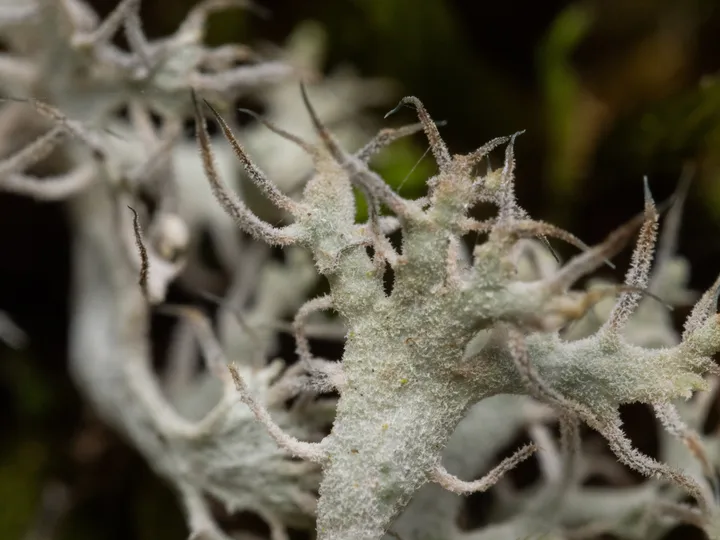
Foto yang diasosiasikan dengan Anaptychia ciliaris pada iNaturalist. Identifikasi mengikuti sumber; bukan penentuan spesimen independen.
Kredit dan penggunaan
(c) Borja Fierro, some rights reserved (CC BY), uploaded by Borja Fierro
Ukuran dan format gambar disesuaikan tanpa pemotongan, retus, atau penambahan skala. Lisensi sumber dipertahankan.
Sumber profil
- [1] Anaptychia ciliaris — Wikipedia (en)
- [2] Catalogue of Life Base2026-09-11 — Anaptychia ciliaris
- [3] Dokumentasi visual — Anaptychia ciliaris
- [4] Dokumentasi visual — Anaptychia ciliaris
- [5] Dokumentasi visual — Anaptychia ciliaris
Rujukan halaman ini
Fungi. Anaptychia ciliaris. Rilis data fungi-2026-10-12-expansion-2. https://fungi-atlas.mgadib.chatgpt.site/jamur/anaptychia-ciliaris/.
Status: impor sumber; pemeriksaan editorial per profil belum selesai. Untuk klaim biologis, gunakan rujukan pada bagian terkait dan periksa konteks sumber aslinya.