Ciri dan struktur
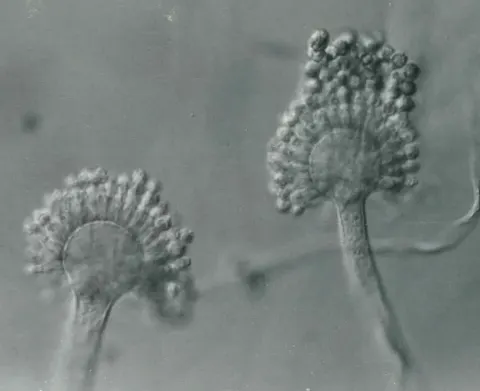
Aspergillus ochraceus is a mold species in the genus Aspergillus known to produce the toxin ochratoxin A, one of the most abundant food-contaminating mycotoxins, and citrinin. It also produces the dihydroisocoumarin mellein. It is a filamentous fungus in nature and has characteristic biseriate conidiophores. Traditionally a soil fungus, has now began to adapt to varied ecological niches, like agricultural commodities, farmed animal and marine species. In humans and animals the consumption of this fungus produces chronic neurotoxic, immunosuppressive, genotoxic, carcinogenic and teratogenic effects. Its airborne spores are one of the potential causes of asthma in children and lung diseases in humans. The pig and chicken populations in the farms are the most affected by this fungus and its mycotoxins. Certain fungicides like mancozeb, copper oxychloride, and sulfur have inhibitory effects on the growth of this fungus and its mycotoxin producing capacities. The colonies of Aspergillus ochraceus grow rapidly (45 to 55 mm in 7 days). The optimum temperature for their growth is 25 °C. In an agar plate the vegetative mycelium is mostly submerged in the agar, while the conidial heads are typically arranged in zones. The characteristic colour of the colony is yellow. Ochratoxin A (OTA), a mycotoxin produced by A. ochraceus, contaminates food and initiates apoptosis of plant cells. Significant loss in nutritive value and hazardous effect on the food chain are caused due to the same OTA toxin contamination in barley grains of Spain. OTA has been isolated from plant acquired foods products like cereal, vegetables, coffee, wine, liquorice and also animal acquired food products like pork and poultry.
Habitat dan peran ekologis
The ecological roots of Aspergillus ochraceus lay in the soil. This fungus was first isolated from varied soils. Evolutionary development has now well adapted Aspergillus ochraceus to occupy a great variety of environmental niches. It has been isolated from the marine alga Sargassum miyabei. This fungus has also been found in a wide variety of agricultural commodities like corn, peanuts, cottonseed, rice, tree nuts, cereal grains, and fruits. Similarly the presence of this fungus has been documented in coffee beans Apart from the actual colonies of fungi growing on substances, the toxins and metabolites produced by this fungus have also been found in a variety of places. For example, the mycotoxin OTA produced by this fungus was found to be present in airborne dust. Likewise, secondary metabolites of this fungus have been isolated from marine sponges. This fungus has also been found to be associated with the contamination of an edible caterpillar, named the phane worm. In terms of climate preferences, this fungus has been found to mainly colonise temperate and tropical geographical areas.
- Habitat atau konteks temuan
- Informasi belum tersedia pada sumber rilis ini.
- Substrat
- Informasi belum tersedia pada sumber rilis ini.
- Peran atau konteks
- Belum dikategorikan pada rilis ini.
Reproduksi
Aspergillus ochraceus is a mold species in the genus Aspergillus known to produce the toxin ochratoxin A, one of the most abundant food-contaminating mycotoxins, and citrinin. It also produces the dihydroisocoumarin mellein. It is a filamentous fungus in nature and has characteristic biseriate conidiophores. Traditionally a soil fungus, has now began to adapt to varied ecological niches, like agricultural commodities, farmed animal and marine species. In humans and animals the consumption of this fungus produces chronic neurotoxic, immunosuppressive, genotoxic, carcinogenic and teratogenic effects. Its airborne spores are one of the potential causes of asthma in children and lung diseases in humans.
Catatan identitas dan cakupan
- Nama diterima mengikuti Catalogue of Life Base2026-09-11; uraian mempertahankan konsep dan nama sumber aslinya.
- Original geographic, specimen and life-cycle scope retained; source import awaits individual editorial review.
- Impor dan terjemahan otomatis belum diperiksa editorial per profil. Struktur reproduktif yang disebutkan tidak membuktikan seluruh siklus hidup diketahui.
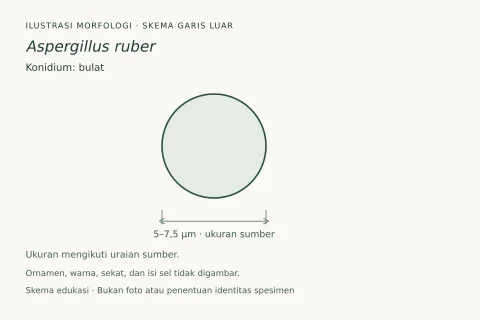
- Pengukuran pada uraian mengikuti spesimen, kultur, dan metode sumber; angka tidak diperluas ke semua populasi.
Catatan distribusi dalam narasi mengikuti sumbernya. Dokumentasi spesimen atau foto mengikuti catatan sumber. Bukti wilayah Indonesia dan penilaian konservasi tidak disimpulkan dari gambar.
Melihat dengan konteks
Dokumentasi Aspergillus ochraceus menurut asosiasi foto pada record takson iNaturalist. Kredit: T. Pedro Hafermann. Identitas mengikuti sumber; bukan penentuan spesimen independen.
- Jenis
- Fotografi
- Kredit
- no rights reserved, uploaded by T. Pedro Hafermann
- Lisensi
- CC0 1.0
- Sumber media
- Buka entri sumber
Dokumentasi tambahan
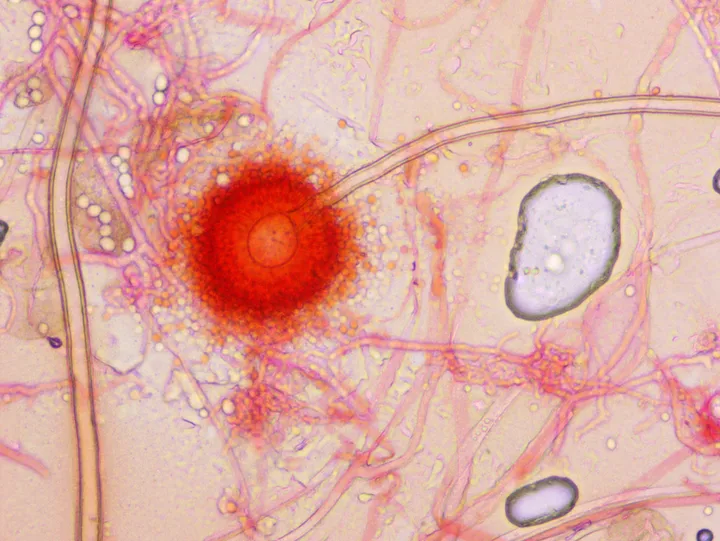
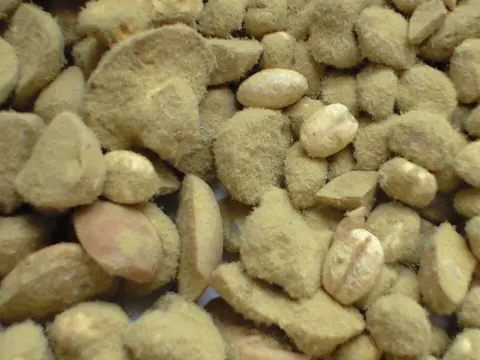
Foto yang diasosiasikan dengan Aspergillus ochraceus pada iNaturalist. Identifikasi mengikuti sumber; bukan penentuan spesimen independen.
Kredit dan penggunaan
no rights reserved, uploaded by T. Pedro Hafermann
Ukuran dan format gambar disesuaikan tanpa pemotongan, retus, atau penambahan skala. Lisensi sumber dipertahankan.
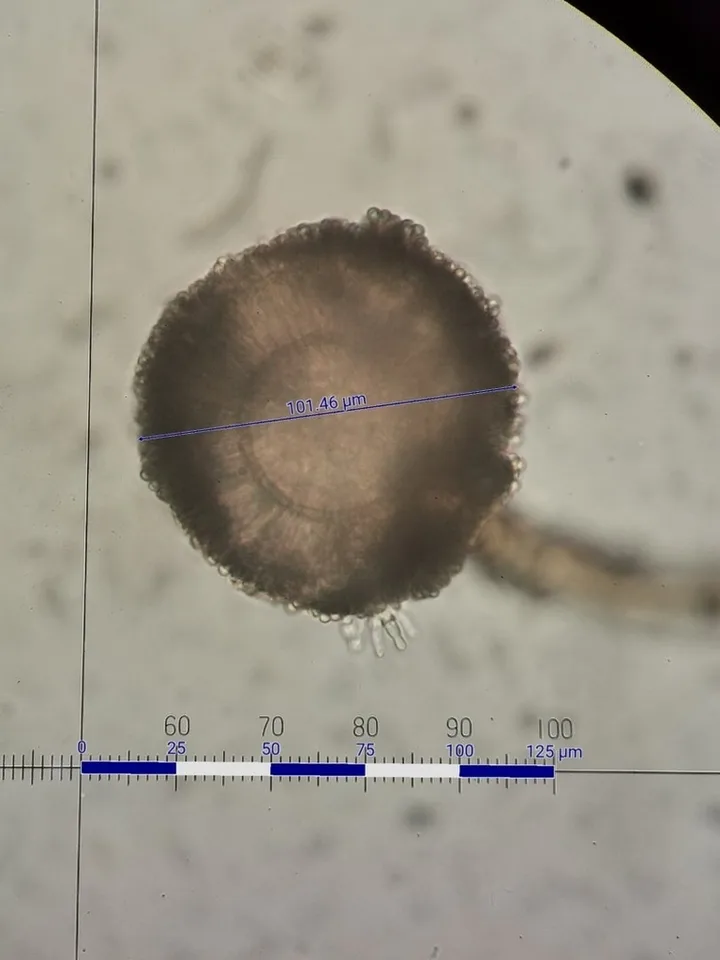
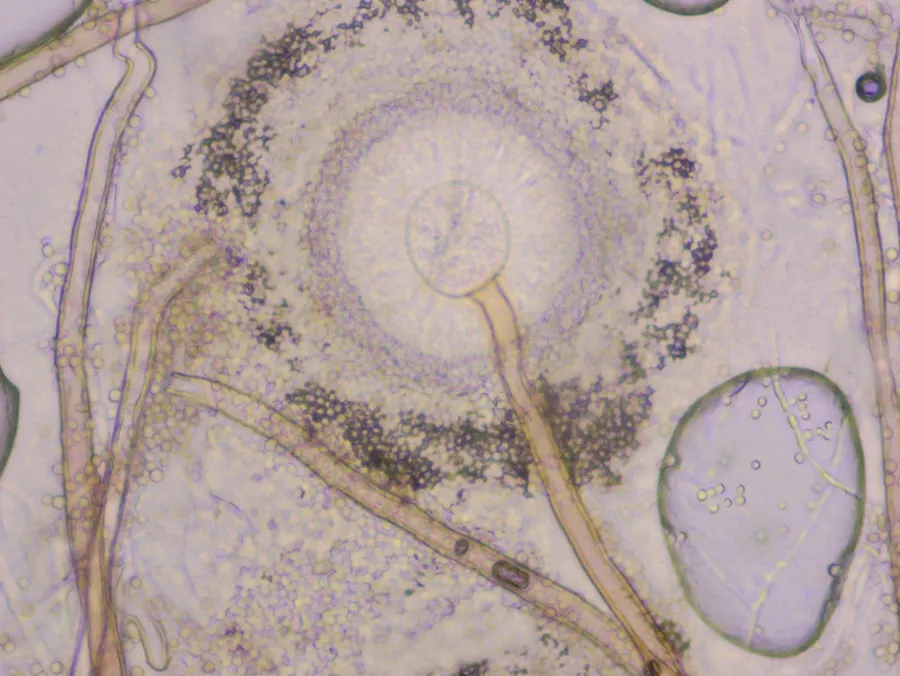
Foto yang diasosiasikan dengan Aspergillus ochraceus pada iNaturalist. Identifikasi mengikuti sumber; bukan penentuan spesimen independen.
Kredit dan penggunaan
(c) Bohan Jia, some rights reserved (CC BY), uploaded by Bohan Jia
Ukuran dan format gambar disesuaikan tanpa pemotongan, retus, atau penambahan skala. Lisensi sumber dipertahankan.
Sumber profil
- [1] Aspergillus ochraceus — Wikipedia (en)
- [2] Catalogue of Life Base2026-09-11 — Aspergillus ochraceus
- [3] Dokumentasi visual — Aspergillus ochraceus
- [4] Dokumentasi visual — Aspergillus ochraceus
- [5] Dokumentasi visual — Aspergillus ochraceus
Rujukan halaman ini
Fungi. Aspergillus ochraceus. Rilis data fungi-2026-10-12-expansion-2. https://fungi-atlas.mgadib.chatgpt.site/jamur/aspergillus-ochraceus/.
Status: impor sumber; pemeriksaan editorial per profil belum selesai. Untuk klaim biologis, gunakan rujukan pada bagian terkait dan periksa konteks sumber aslinya.