01 / Morfologi

Ciri dan struktur

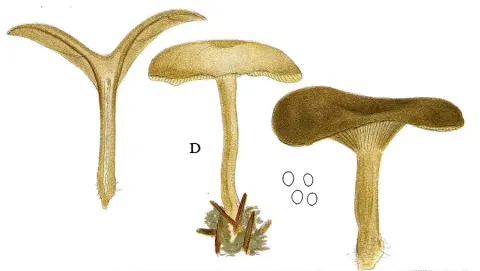
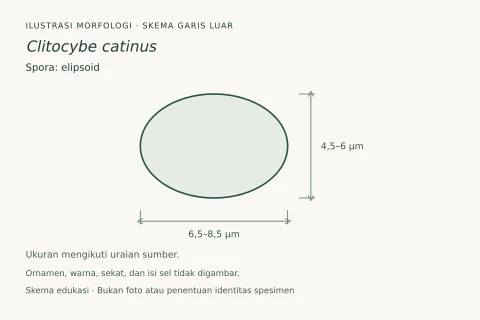
The cap measures 2-10 cm, The spore print is white. The spores are smooth and elliptical, with dimensions of 4.5–6 by 2.5–3.5 μm. The basidia (spore-bearing cells) are typically two- or four-spored (rarely, one-spored) and measure 20–30 by 3.5–5 μm. The hymenium lacks cystidia. Clamp connections are present in the hyphae.

Sebagian uraian ditampilkan dalam bahasa sumber; terjemahannya belum tersedia atau belum lolos pemeriksaan.

Rujukan: [1]

Pengukuran mengikuti objek, spesimen atau kultur, dan metode yang disebutkan sumber. Baca uraian asli untuk konteks lengkap.

02 / Kehidupan

Habitat dan peran ekologis

The fruit bodies grow scattered, in groups, or in clusters under spruce, or, occasionally, larch and pine. Found in the US states of Idaho, Washington, and Wyoming, it is abundant in some high-elevation 5000–10000 ft locations in the Rocky Mountains. It is referred to as a "snowbank mushroom" because fruit bodies typically appear around the edges of melting snowbanks. Fruitings occur most frequently in June and early July, about the same time as snowmelt at the elevations in which the species occurs. In the Cascade Mountains of Washington, it is one of the most common fungi growing on non-serpentine soil.

Sebagian uraian ditampilkan dalam bahasa sumber; terjemahannya belum tersedia atau belum lolos pemeriksaan.

Rujukan: [1]

Habitat atau konteks temuan
Informasi belum tersedia pada sumber rilis ini.
Substrat
Informasi belum tersedia pada sumber rilis ini.
Peran atau konteks
Belum dikategorikan pada rilis ini.
Temukan hubungan serupa
03 / Siklus hidup

Reproduksi

The spore print is white. The spores are smooth and elliptical, with dimensions of 4.5–6 by 2.5–3.5 μm. The basidia (spore-bearing cells) are typically two- or four-spored (rarely, one-spored) and measure 20–30 by 3.5–5 μm. The hymenium lacks cystidia. Clamp connections are present in the hyphae.

Sebagian uraian ditampilkan dalam bahasa sumber; terjemahannya belum tersedia atau belum lolos pemeriksaan.

Rujukan: [1]

04 / Batas informasi

Catatan identitas dan cakupan

  • Nama diterima mengikuti Catalogue of Life Base2026-09-11; uraian mempertahankan konsep dan nama sumber aslinya.
  • Original geographic, specimen and life-cycle scope retained; source import awaits individual editorial review.
  • Impor dan terjemahan otomatis belum diperiksa editorial per profil. Struktur reproduktif yang disebutkan tidak membuktikan seluruh siklus hidup diketahui.
  • Pengukuran pada uraian mengikuti spesimen, kultur, dan metode sumber; angka tidak diperluas ke semua populasi.

Catatan distribusi dalam narasi mengikuti sumbernya. Dokumentasi spesimen atau foto mengikuti catatan sumber. Bukti wilayah Indonesia dan penilaian konservasi tidak disimpulkan dari gambar.

05 / Dokumentasi

Melihat dengan konteks

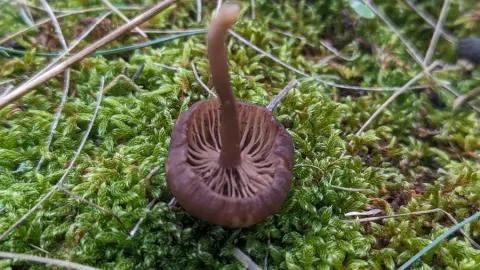
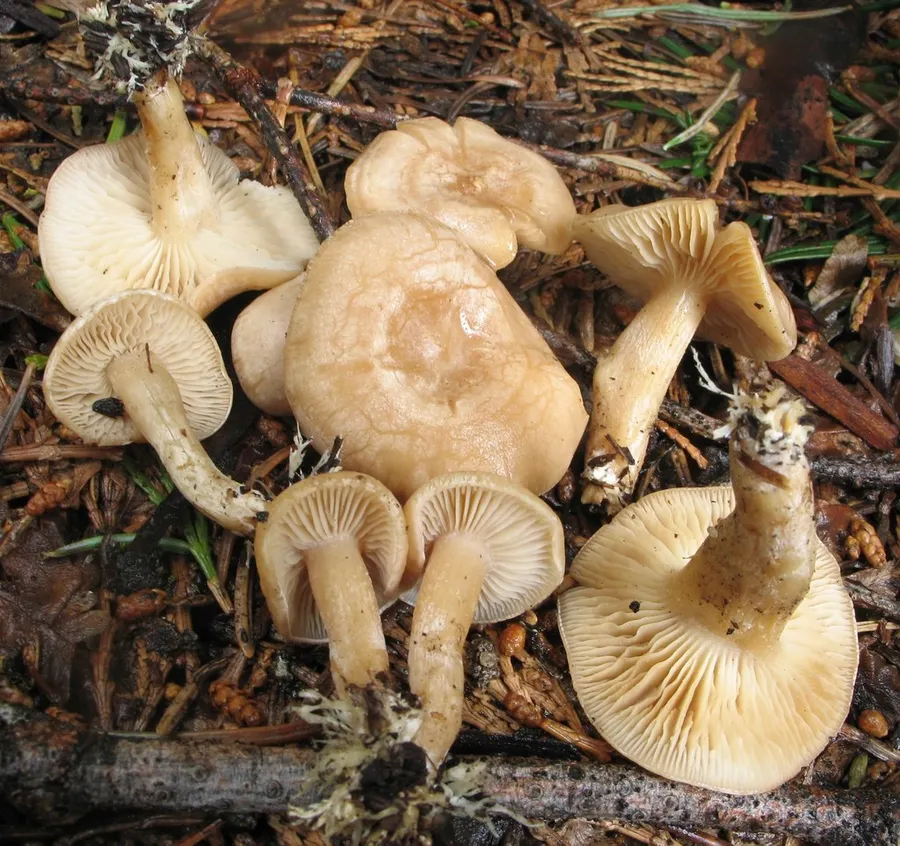
Dokumentasi Clitocybe albirhiza menurut asosiasi foto pada record takson iNaturalist. Kredit: Byrain. Identitas mengikuti sumber; bukan penentuan spesimen independen.

Jenis
Fotografi
Kredit
(c) Byrain, some rights reserved (CC BY-SA)
Sumber media
Buka entri sumber

Gambar menunjukkan objek menurut identifikasi sumber, bukan verifikasi independen spesimen oleh Fungi. Tidak ada skala baru yang ditambahkan.

06 / Rujukan

Sumber profil

  1. [1] Clitocybe albirhiza — Wikipedia (en)Bagian sumber: Frozen revision 1321667279
    Tanggal penghimpunan sumber: 2026-10-12
    Teks sumber: CC BY-SA4.0 · Wikipedia contributors
  2. [2] Catalogue of Life Base2026-09-11 — Clitocybe albirhizaBagian sumber: ColDP NameUsage.tsv ID 5YZCF; accepted species; source 2073
    Tanggal penghimpunan sumber: 2026-10-12
  3. [3] Dokumentasi visual — Clitocybe albirhizaBagian sumber: Individual media record; identification follows the source, not independent determination
    Tanggal penghimpunan sumber: 2026-10-12
    Media sumber: CC BY-SA 4.0 · (c) Byrain, some rights reserved (CC BY-SA)

Adaptasi teks: CC BY-SA 4.0. Wikipedia contributors — Clitocybe albirhiza — Wikipedia (en)

Uraian asli dan riwayat sumber

Riwayat atau halaman sumber

Ringkasan sumber

The cap measures 2-10 cm, The spore print is white. The spores are smooth and elliptical, with dimensions of 4.5–6 by 2.5–3.5 μm. The basidia (spore-bearing cells) are typically two- or four-spored (rarely, one-spored) and measure 20–30 by 3.5–5 μm. The hymenium lacks cystidia. Clamp connections are present in the hyphae.

Revisi sumber

Morfologi sumber

The cap measures 2-10 cm, The spore print is white. The spores are smooth and elliptical, with dimensions of 4.5–6 by 2.5–3.5 μm. The basidia (spore-bearing cells) are typically two- or four-spored (rarely, one-spored) and measure 20–30 by 3.5–5 μm. The hymenium lacks cystidia. Clamp connections are present in the hyphae.

Revisi sumber

Ekologi sumber

The fruit bodies grow scattered, in groups, or in clusters under spruce, or, occasionally, larch and pine. Found in the US states of Idaho, Washington, and Wyoming, it is abundant in some high-elevation 5000–10000 ft locations in the Rocky Mountains. It is referred to as a "snowbank mushroom" because fruit bodies typically appear around the edges of melting snowbanks. Fruitings occur most frequently in June and early July, about the same time as snowmelt at the elevations in which the species occurs. In the Cascade Mountains of Washington, it is one of the most common fungi growing on non-serpentine soil.

Revisi sumber

Struktur reproduksi sumber

The spore print is white. The spores are smooth and elliptical, with dimensions of 4.5–6 by 2.5–3.5 μm. The basidia (spore-bearing cells) are typically two- or four-spored (rarely, one-spored) and measure 20–30 by 3.5–5 μm. The hymenium lacks cystidia. Clamp connections are present in the hyphae.

Revisi sumber

Rujukan halaman ini

Fungi. Clitocybe albirhiza. Rilis data fungi-2026-10-12-expansion-2. https://fungi-atlas.mgadib.chatgpt.site/jamur/clitocybe-albirhiza/.

Status: impor sumber; pemeriksaan editorial per profil belum selesai. Untuk klaim biologis, gunakan rujukan pada bagian terkait dan periksa konteks sumber aslinya.