Ciri dan struktur
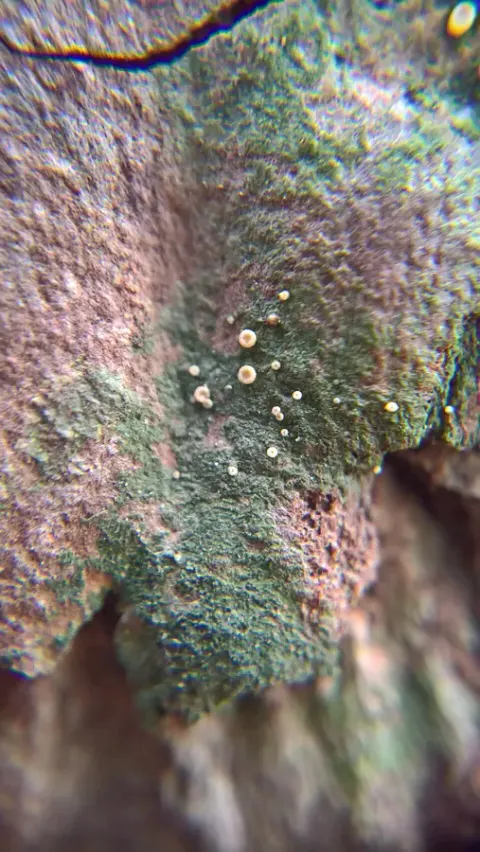
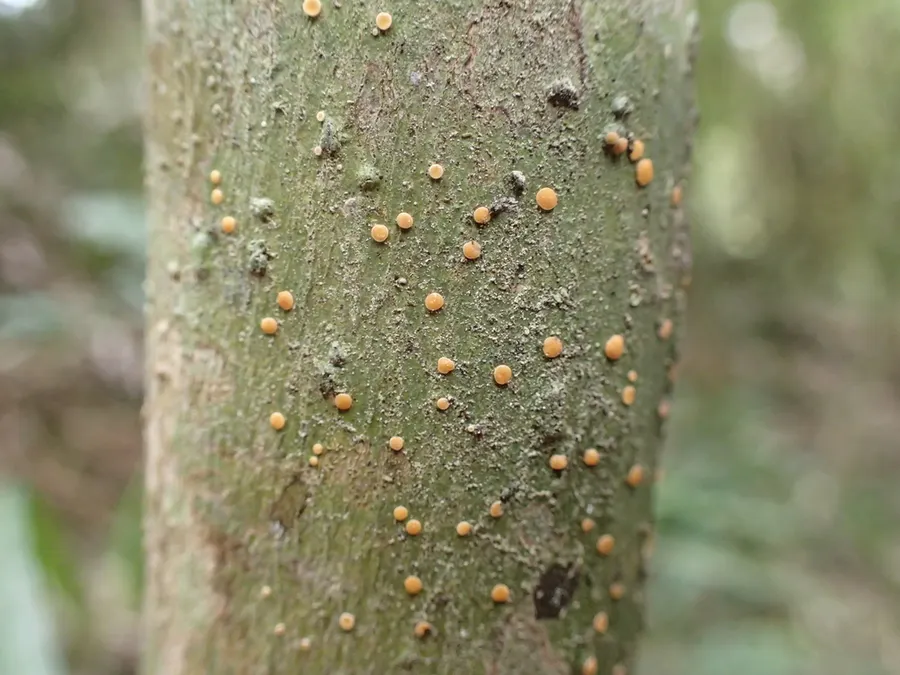
The thallus of Coenogonium australiense is crustose and varies in thickness, forming irregular patches on . The cells are somewhat spherical to ellipsoid in shape and can be found as single cells or short chains. The apothecia, or fruiting bodies, are and have an orange-pink with a cream-colored or translucent margin. The is colorless and 60–120 μm thick, while the is 40–80 μm thick and colorless or pale yellowish-brown. The hymenium is 60–80 μm thick and contains asci and paraphyses. Ascospores are typically and arranged obliquely in the ascus, measuring 10–14 by 3–4.5 μm. are visible on the upper thallus surface as tiny pale swellings; the are ellipsoid and measure 3–5 by 1–3 μm.
Habitat dan peran ekologis
Coenogonium australiense is a species of corticolous (bark-dwelling), crustose lichen in the family Coenogoniaceae. Found in Australia, it was formally described as a new species in 2018 by lichenologists Gintaras Kantvilas and Robert Lücking. The type specimen was collected by the first author near Little Fisher River (Tasmania) at an altitude of 880 m, where it was found in a rainforest growing on Nothofagus cunninghamii. The species epithet australiense refers to its geographical distribution. In addition to Tasmania, the lichen has also been documented from New South Wales and Kangaroo Island. In the latter location it was found in remnant stands of coniferous woodland, where it was growing on the bark of old, fissured Callitris trunks.
- Habitat atau konteks temuan
- hutan
- Substrat
- Informasi belum tersedia pada sumber rilis ini.
- Peran atau konteks
- Pembentuk liken
Reproduksi
The thallus of Coenogonium australiense is crustose and varies in thickness, forming irregular patches on . The cells are somewhat spherical to ellipsoid in shape and can be found as single cells or short chains. The apothecia, or fruiting bodies, are and have an orange-pink with a cream-colored or translucent margin. The is colorless and 60–120 μm thick, while the is 40–80 μm thick and colorless or pale yellowish-brown. The hymenium is 60–80 μm thick and contains asci and paraphyses. Ascospores are typically and arranged obliquely in the ascus, measuring 10–14 by 3–4.5 μm. are visible on the upper thallus surface as tiny pale swellings; the are ellipsoid and measure 3–5 by 1–3 μm.
Catatan identitas dan cakupan
- Nama diterima mengikuti Catalogue of Life Base2026-09-11; uraian mempertahankan konsep dan nama sumber aslinya.
- Original geographic, specimen and life-cycle scope retained; source import awaits individual editorial review.
- Impor dan terjemahan otomatis belum diperiksa editorial per profil. Struktur reproduktif yang disebutkan tidak membuktikan seluruh siklus hidup diketahui.
- Pengukuran pada uraian mengikuti spesimen, kultur, dan metode sumber; angka tidak diperluas ke semua populasi.
Catatan distribusi dalam narasi mengikuti sumbernya. Dokumentasi spesimen atau foto mengikuti catatan sumber. Bukti wilayah Indonesia dan penilaian konservasi tidak disimpulkan dari gambar.
Melihat dengan konteks
Dokumentasi Coenogonium australiense menurut asosiasi foto pada record takson iNaturalist. Kredit: Liadan Dickie. Identitas mengikuti sumber; bukan penentuan spesimen independen.
- Jenis
- Fotografi
- Kredit
- (c) Liadan Dickie, some rights reserved (CC BY), uploaded by Liadan Dickie
- Lisensi
- CC BY 4.0
- Sumber media
- Buka entri sumber
Dokumentasi tambahan
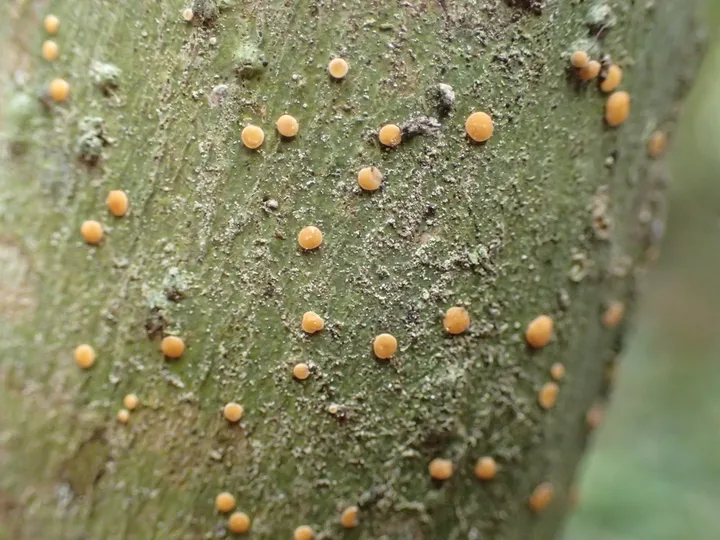
Foto yang diasosiasikan dengan Coenogonium australiense pada iNaturalist. Identifikasi mengikuti sumber; bukan penentuan spesimen independen.
Kredit dan penggunaan
(c) Liadan Dickie, some rights reserved (CC BY), uploaded by Liadan Dickie
Ukuran dan format gambar disesuaikan tanpa pemotongan, retus, atau penambahan skala. Lisensi sumber dipertahankan.
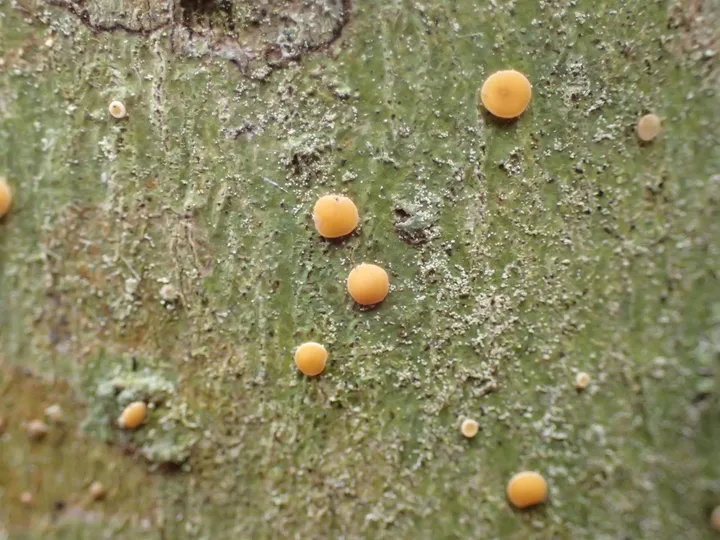
Foto yang diasosiasikan dengan Coenogonium australiense pada iNaturalist. Identifikasi mengikuti sumber; bukan penentuan spesimen independen.
Kredit dan penggunaan
(c) Liadan Dickie, some rights reserved (CC BY), uploaded by Liadan Dickie
Ukuran dan format gambar disesuaikan tanpa pemotongan, retus, atau penambahan skala. Lisensi sumber dipertahankan.
Sumber profil
- [1] Coenogonium australiense — Wikipedia (en)
- [2] Catalogue of Life Base2026-09-11 — Coenogonium australiense
- [3] Dokumentasi visual — Coenogonium australiense
- [4] Dokumentasi visual — Coenogonium australiense
- [5] Dokumentasi visual — Coenogonium australiense
Rujukan halaman ini
Fungi. Coenogonium australiense. Rilis data fungi-2026-10-12-expansion-2. https://fungi-atlas.mgadib.chatgpt.site/jamur/coenogonium-australiense/.
Status: impor sumber; pemeriksaan editorial per profil belum selesai. Untuk klaim biologis, gunakan rujukan pada bagian terkait dan periksa konteks sumber aslinya.