Ciri dan struktur
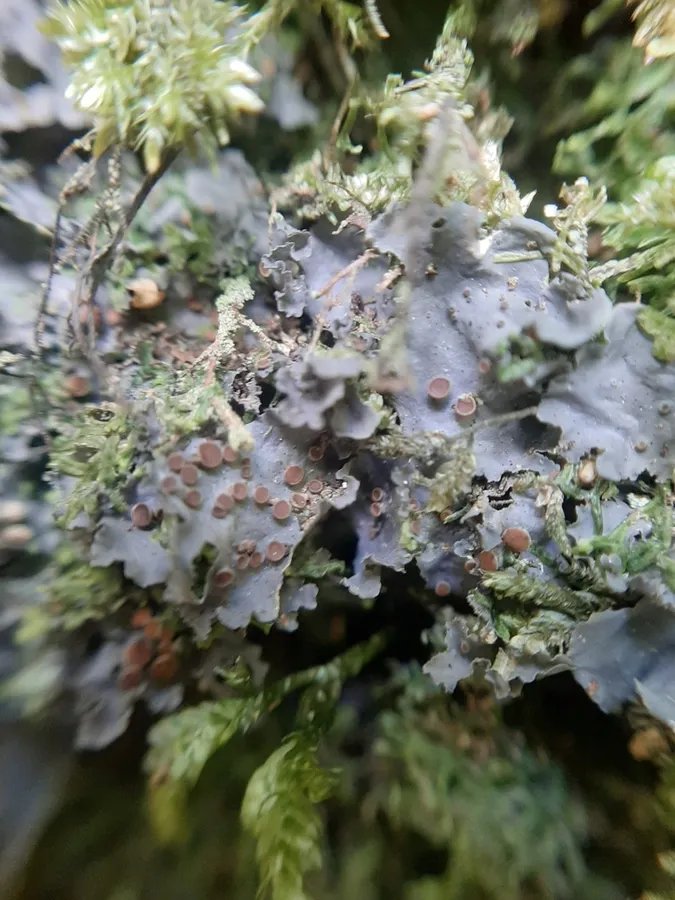
Collema subconveniens forms a soft, leafy (foliose) thallus up to 8 cm across. The thallus is membranous and closely attached to the substrate, though parts may lift and become slightly ascending. Its surface is smooth or only faintly ridged, and it bears sparse, scale-like . The are up to 8 mm wide, overlapping and often somewhat , with a flat, matt to slightly glossy surface. When moist they are light grey-green to light olive-green, turning brown on drying. The species is usually richly fertile, with numerous laminal apothecia up to 1.5 mm in diameter. These are with a slightly constricted base, and have a thin, entire that may become inconspicuous with age. The apothecial is initially flat but often becomes convex, matt or occasionally shiny, and lacks any whitish frost (), varying in colour from pale red through dark red to brown. The asci measure 52–110 μm by 15–24 μm and contain ascospores 20–40 μm by 8–10.5 μm, which are fusiform to ellipsoidal, straight with pointed ends, and with 3–5 transverse and 1–3 longitudinal septa, sometimes with strong constrictions. Asexual reproduction occurs through numerous laminal pycnidia up to 200 μm wide with a pale yellow pycnidial gel; they produce straight conidia 4–5 μm by 1–1.5 μm that are slightly swollen towards the ends.
Habitat dan peran ekologis
Collema subconveniens is a corticolous lichen, growing on the bark of shrubs and trees. Beyond New Zealand and Australia, the lichen has been recorded in South America, Japan, and India. In Nepal, Collema subconveniens has been reported at 1,260 m elevation in a compilation of published records.
- Habitat atau konteks temuan
- Informasi belum tersedia pada sumber rilis ini.
- Substrat
- Informasi belum tersedia pada sumber rilis ini.
- Peran atau konteks
- Pembentuk liken
Reproduksi
The species is usually richly fertile, with numerous laminal apothecia up to 1.5 mm in diameter. These are with a slightly constricted base, and have a thin, entire that may become inconspicuous with age. The apothecial is initially flat but often becomes convex, matt or occasionally shiny, and lacks any whitish frost (), varying in colour from pale red through dark red to brown. The asci measure 52–110 μm by 15–24 μm and contain ascospores 20–40 μm by 8–10.5 μm, which are fusiform to ellipsoidal, straight with pointed ends, and with 3–5 transverse and 1–3 longitudinal septa, sometimes with strong constrictions. Asexual reproduction occurs through numerous laminal pycnidia up to 200 μm wide with a pale yellow pycnidial gel; they produce straight conidia 4–5 μm by 1–1.5 μm that are slightly swollen towards the ends.
Catatan identitas dan cakupan
- Nama diterima mengikuti Catalogue of Life Base2026-09-11; uraian mempertahankan konsep dan nama sumber aslinya.
- Original geographic, specimen and life-cycle scope retained; source import awaits individual editorial review.
- Impor dan terjemahan otomatis belum diperiksa editorial per profil. Struktur reproduktif yang disebutkan tidak membuktikan seluruh siklus hidup diketahui.
- Pengukuran pada uraian mengikuti spesimen, kultur, dan metode sumber; angka tidak diperluas ke semua populasi.
Catatan distribusi dalam narasi mengikuti sumbernya. Dokumentasi spesimen atau foto mengikuti catatan sumber. Bukti wilayah Indonesia dan penilaian konservasi tidak disimpulkan dari gambar.
Melihat dengan konteks
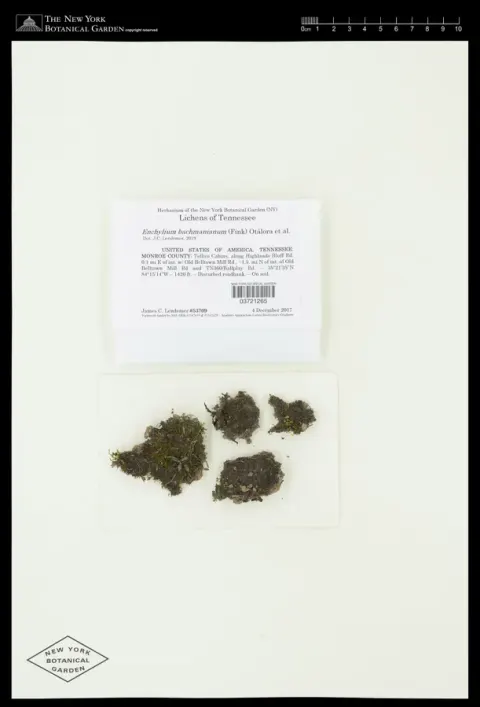
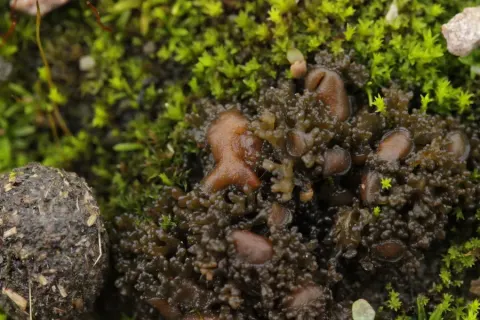
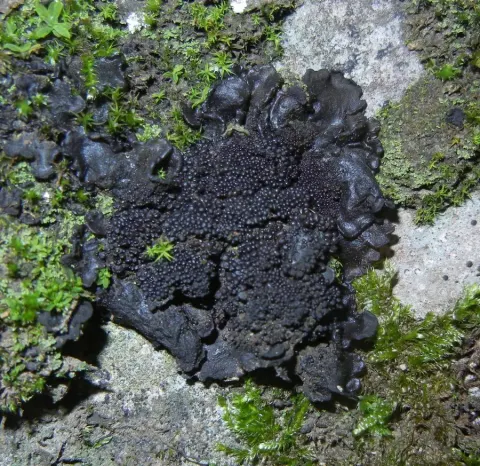
Dokumentasi Collema subconveniens menurut asosiasi foto pada record takson iNaturalist. Kredit: Colin Meurk. Identitas mengikuti sumber; bukan penentuan spesimen independen.
- Jenis
- Fotografi
- Kredit
- (c) Colin Meurk, some rights reserved (CC BY-SA), uploaded by Colin Meurk
- Lisensi
- CC BY-SA 4.0
- Sumber media
- Buka entri sumber
Dokumentasi tambahan
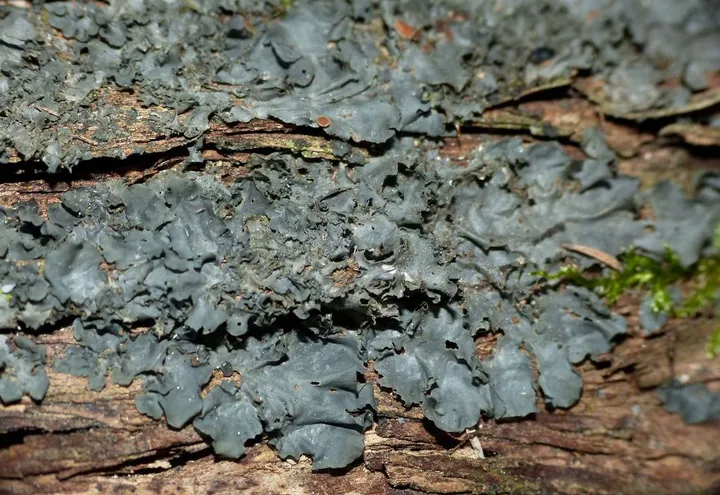
Foto yang diasosiasikan dengan Collema subconveniens pada iNaturalist. Identifikasi mengikuti sumber; bukan penentuan spesimen independen.
Kredit dan penggunaan
(c) Steve Kerr, some rights reserved (CC BY), uploaded by Steve Kerr
Ukuran dan format gambar disesuaikan tanpa pemotongan, retus, atau penambahan skala. Lisensi sumber dipertahankan.
Sumber profil
- [1] Collema subconveniens — Wikipedia (en)
- [2] Catalogue of Life Base2026-09-11 — Collema subconveniens
- [3] Dokumentasi visual — Collema subconveniens
- [4] Dokumentasi visual — Collema subconveniens
Rujukan halaman ini
Fungi. Collema subconveniens. Rilis data fungi-2026-10-12-expansion-2. https://fungi-atlas.mgadib.chatgpt.site/jamur/collema-subconveniens/.
Status: impor sumber; pemeriksaan editorial per profil belum selesai. Untuk klaim biologis, gunakan rujukan pada bagian terkait dan periksa konteks sumber aslinya.