Ciri dan struktur
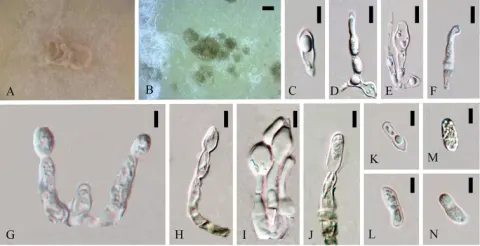
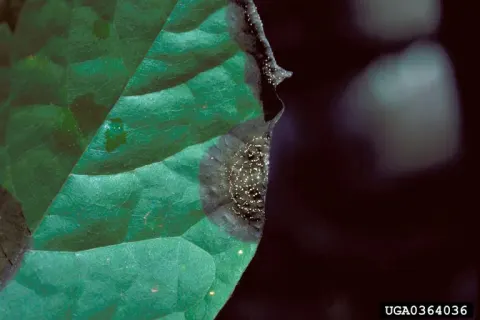
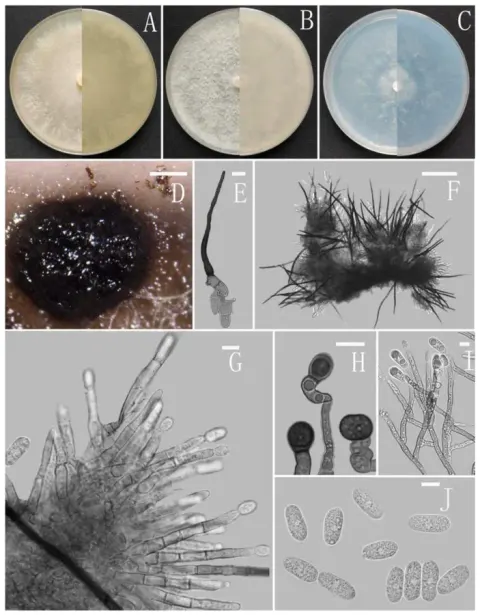
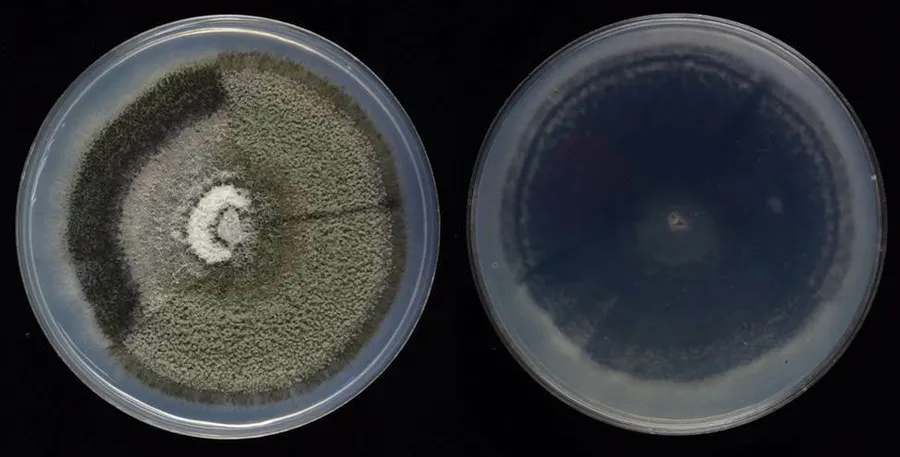
Colletotrichum capsici is a species of fungus and plant pathogen which causes leaf blight on Chlorophytum borivilianum, basil, chickpea and pepper as well as dieback in pigeonpea and anthracnose in poinsettia. Colletotrichum capsici has a broad host range but prefers peppers, yams and eggplants. On chili peppers, Capsicum annuum L., C. capsici infect the stem, fruit, and leaves of the plant, causing anthracnose, die-back and ripe fruit rot. C. capsici infection tends to infect ripe red fruit and lead to the development of brown necrotic lesions containing concentric acervuli that will eventually appear black from the setae and sclerotia (Srinivasan, Vijayalakshmi Kothandaraman, Vaikuntavasan, & Rethinasamy, 2014). Additionally, the fruit content of capsaicin and oleoresin is reduced, which results in a decrease of its medicinal potency (Madhavan, Paranidharan, & Velazhahan, 2016). Dispersal of C. capsici spores is heavily reliant on water splashes onto host plants or wind-driven rain since water is required for spore germination and penetration into host ("Hot Pepper Disease - Anthracnose," 2010). C. capsici has a necrotrophic lifestyle; therefore, after penetration of the host surface, it secretes many cell wall degrading enzymes into the environment between the host cells (Latunde-Dada, 2001). C. capsici overwinters as conidia or sclerotia, and spend the majority of their life in their conidial stage. Colletotrichum capsici, the asexual stage, consists of hooked shaped conidia produced from acervuli, a subepidermal fruiting body (Than et al., 2008). When grown on plates its colony morphology was observed to have white to grey, a dark green center, and dense, filamentous mycelium (Than et al., 2008).
Habitat dan peran ekologis
Colletotrichum capsici memiliki berbagai jenis tuan rumah tetapi lebih suka lada, yams dan ebola. Pada lada cabe, Capsicum annuum L., C. capsici menginfeksi batang, buah, dan daun tanaman, menyebabkan anthracnose, mati kembali dan membusuk buah matang. C. capsici infeksi cenderung menginfeksi buah merah matang dan menyebabkan perkembangan lesi nekrotis cokelat yang mengandung acervuli konsentris yang akhirnya akan muncul hitam dari setae dan sclerotia (Srinivasan, Vijayalakshmi Kothandaraman, Vaikuntavasan, & Rethinasamy, 2014). Selain itu, kandungan buah kapsaisin dan oleoresin berkurang, yang mengakibatkan penurunan potensi obatnya (Madhavan, Paranidharan, & Velazhahan, 2016). Chili pepper breeding programs in Taiwan, Korea, and Thailand have been known to collaborate in order to generate chili species with high C. capsici resistance (Mahasuk, Khumpeng, Wasee, Taylor, & Mongkolporn, 2009).Two well used resistant species are a local Korean variety of C. annuum known as Daepoong-cho and C. chinense, which are crossable species (Kim, Yoon, Do, & Park, 2007; Mahasuk et al., 2009). Selain itu, spesies C. baccatum diidentifikasi sebagai resisten C. capsici (Mahasuk et al., 2009).
- Habitat atau konteks temuan
- Informasi belum tersedia pada sumber rilis ini.
- Substrat
- Informasi belum tersedia pada sumber rilis ini.
- Peran atau konteks
- Belum dikategorikan pada rilis ini.
Reproduksi
Dispersal of C. capsici spores is heavily reliant on water splashes onto host plants or wind-driven rain since water is required for spore germination and penetration into host ("Hot Pepper Disease - Anthracnose," 2010). C. capsici has a necrotrophic lifestyle; therefore, after penetration of the host surface, it secretes many cell wall degrading enzymes into the environment between the host cells (Latunde-Dada, 2001). C. capsici overwinters as conidia or sclerotia, and spend the majority of their life in their conidial stage. Colletotrichum capsici, the asexual stage, consists of hooked shaped conidia produced from acervuli, a subepidermal fruiting body (Than et al., 2008). When grown on plates its colony morphology was observed to have white to grey, a dark green center, and dense, filamentous mycelium (Than et al., 2008).
Catatan identitas dan cakupan
- Nama diterima mengikuti Catalogue of Life Base2026-09-11; uraian mempertahankan konsep dan nama sumber aslinya.
- Original geographic, specimen and life-cycle scope retained; source import awaits individual editorial review.
- Impor dan terjemahan otomatis belum diperiksa editorial per profil. Struktur reproduktif yang disebutkan tidak membuktikan seluruh siklus hidup diketahui.
- Pengukuran pada uraian mengikuti spesimen, kultur, dan metode sumber; angka tidak diperluas ke semua populasi.
Catatan distribusi dalam narasi mengikuti sumbernya. Dokumentasi spesimen atau foto mengikuti catatan sumber. Bukti wilayah Indonesia dan penilaian konservasi tidak disimpulkan dari gambar.
Melihat dengan konteks
Dokumentasi Colletotrichum truncatum menurut asosiasi foto pada record takson iNaturalist. Kredit: Jie-Hao Ou. Identitas mengikuti sumber; bukan penentuan spesimen independen.
- Jenis
- Fotografi
- Kredit
- (c) Jie-Hao Ou, some rights reserved (CC BY)
- Lisensi
- CC BY 4.0
- Sumber media
- Buka entri sumber
Dokumentasi tambahan
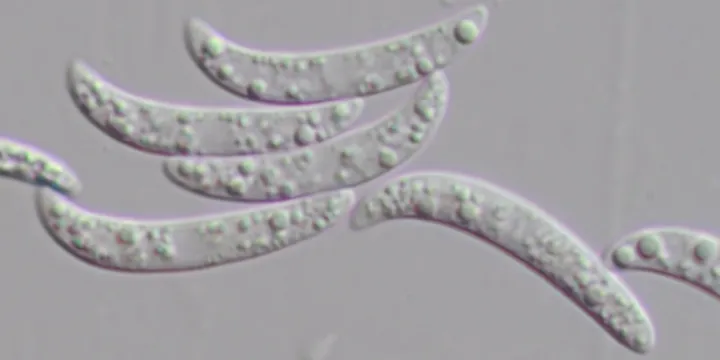
Foto yang diasosiasikan dengan Colletotrichum truncatum pada iNaturalist. Identifikasi mengikuti sumber; bukan penentuan spesimen independen.
Kredit dan penggunaan
(c) Jie-Hao Ou, some rights reserved (CC BY)
Ukuran dan format gambar disesuaikan tanpa pemotongan, retus, atau penambahan skala. Lisensi sumber dipertahankan.
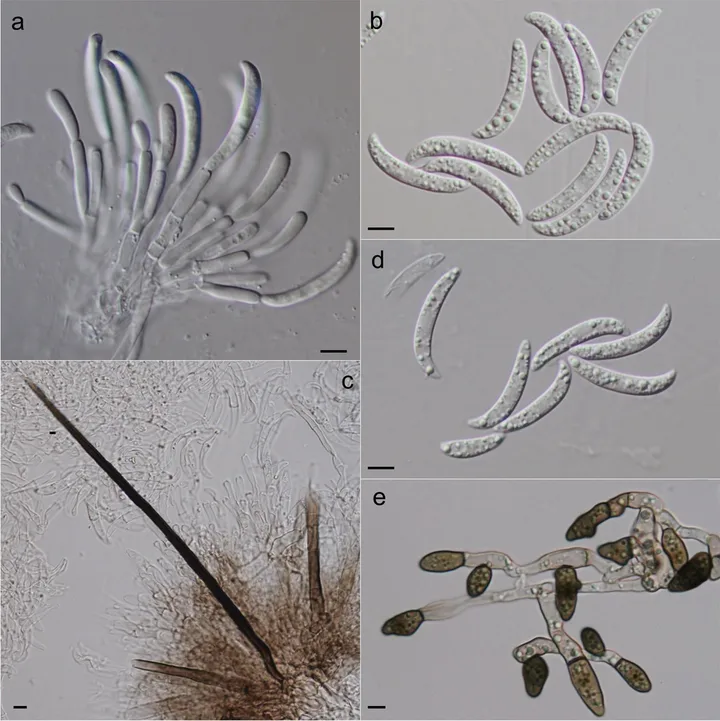
Foto yang diasosiasikan dengan Colletotrichum truncatum pada iNaturalist. Identifikasi mengikuti sumber; bukan penentuan spesimen independen.
Kredit dan penggunaan
(c) Jie-Hao Ou, some rights reserved (CC BY)
Ukuran dan format gambar disesuaikan tanpa pemotongan, retus, atau penambahan skala. Lisensi sumber dipertahankan.
Sumber profil
- [1] Colletotrichum capsici — Wikipedia (en)
- [2] Catalogue of Life Base2026-09-11 — Colletotrichum truncatum
- [3] Dokumentasi visual — Colletotrichum truncatum
- [4] Dokumentasi visual — Colletotrichum truncatum
- [5] Dokumentasi visual — Colletotrichum truncatum
Rujukan halaman ini
Fungi. Colletotrichum truncatum. Rilis data fungi-2026-10-12-expansion-2. https://fungi-atlas.mgadib.chatgpt.site/jamur/colletotrichum-truncatum/.
Status: impor sumber; pemeriksaan editorial per profil belum selesai. Untuk klaim biologis, gunakan rujukan pada bagian terkait dan periksa konteks sumber aslinya.