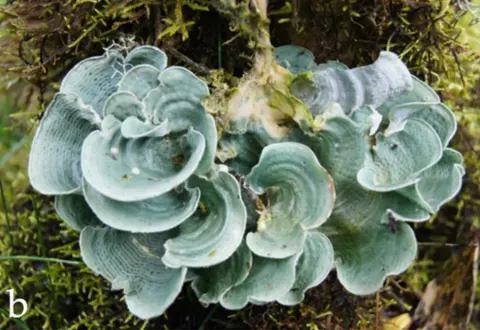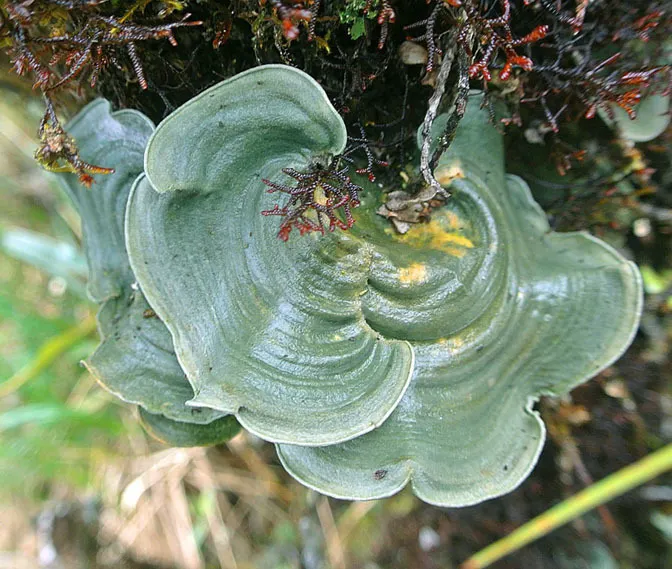
Ciri dan struktur
The thallus of C. brasiliensis consists of irregular, overlapping that can coalesce into thin foliose , each lobe smooth, weakly concave and olive‑grey above but pallid to whitish beneath where a delicate may be visible. Modern microscopy reveals a thin cortex derived from the jigsaw‑shaped hyphal sheath that envelopes the cyanobacterial partner, contradicting Vainio's original view that the cortex is absent. Filaments of the photobiont Rhizonema interruptum are packed through most of the upper thallus and break into twisted cell clusters; the fungal sheath sends short tubular haustoria into the cyanobacteria, and colourless (nitrogen-fixing structures) appear at regular intervals along the trichomes. The medulla, restricted to the lower margin, is a loose, cotton‑wool layer of thin‑walled hyphae only 3–4 μm thick, while true rhizines are absent and attachment to the substrate is by a broad, base.
Habitat dan peran ekologis
Corella brasiliensis inhabits humid montane forests where persistent mist keeps soil and rock surfaces damp; the type locality is a rocky slope in the Serra do Caraça at 1,500 m, and additional verified records come from bryophyte‑rich ground and rock faces in similar cloud forest belts of Colombia and Costa Rica. Illumina dye sequencing of herbarium sheets up to 130 years old, combined with fresh collections, extended the species' confirmed range to all three countries and demonstrated that it accounts for the majority of Corella sequences recovered to date. Throughout this range the lichen typically forms thin, olive mats on shaded, soil‑splashed rocks or on consolidated soil at the bases of trunks, often in association with mosses and liverworts that help retain moisture.
- Habitat atau konteks temuan
- hutan
- Substrat
- Informasi belum tersedia pada sumber rilis ini.
- Peran atau konteks
- Pembentuk liken
Reproduksi
Corella brasiliensis is a species of basidiolichen in the family Hygrophoraceae. It was first described in 1890 by the Finnish scientist Edvard Vainio from specimens collected in the mountains of Brazil, where it was found growing on damp, soil-covered rocks. The species forms thin, olive-grey patches made up of small, overlapping scales that can merge into leaf-like structures, and it partners with blue-green bacteria to obtain nutrients. It is found in misty mountain forests from Costa Rica to Brazil, typically growing on shaded rocks and soil at the base of trees alongside mosses and other moisture-loving plants.
Catatan identitas dan cakupan
- Nama diterima mengikuti Catalogue of Life Base2026-09-11; uraian mempertahankan konsep dan nama sumber aslinya.
- Original geographic, specimen and life-cycle scope retained; source import awaits individual editorial review.
- Impor dan terjemahan otomatis belum diperiksa editorial per profil. Struktur reproduktif yang disebutkan tidak membuktikan seluruh siklus hidup diketahui.
- Pengukuran pada uraian mengikuti spesimen, kultur, dan metode sumber; angka tidak diperluas ke semua populasi.
Catatan distribusi dalam narasi mengikuti sumbernya. Dokumentasi spesimen atau foto mengikuti catatan sumber. Bukti wilayah Indonesia dan penilaian konservasi tidak disimpulkan dari gambar.
Melihat dengan konteks
Dokumentasi Cora glabrata menurut asosiasi foto pada record takson iNaturalist. Kredit: Dick Culbert. Identitas mengikuti sumber; bukan penentuan spesimen independen.
- Jenis
- Fotografi
- Kredit
- (c) Dick Culbert, some rights reserved (CC BY)
- Lisensi
- CC BY 4.0
- Sumber media
- Buka entri sumber
Dokumentasi tambahan
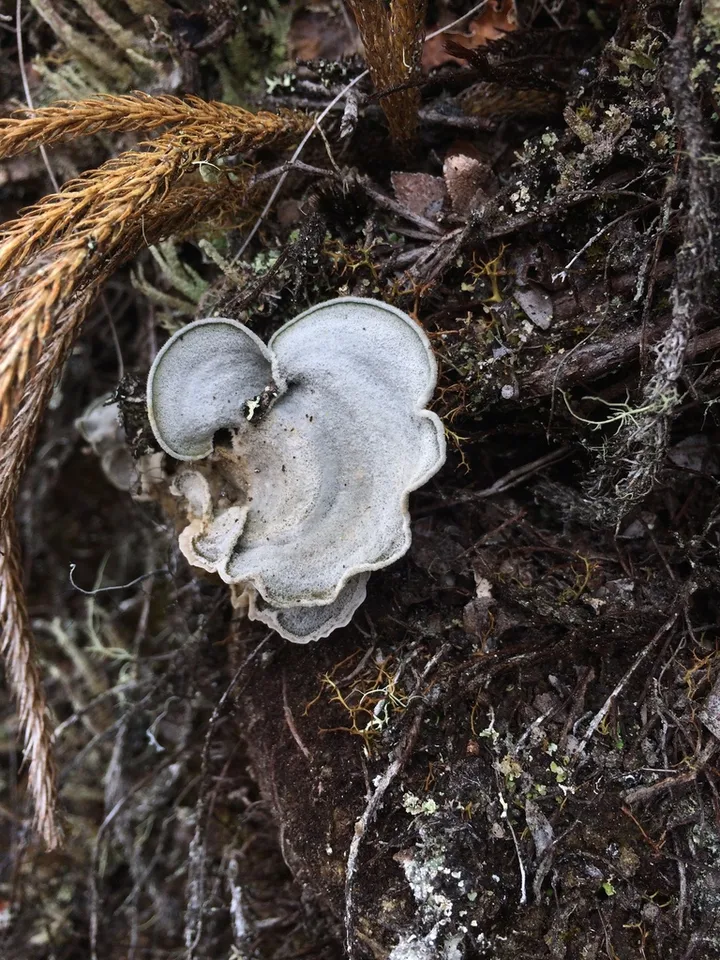
Foto yang diasosiasikan dengan Cora glabrata pada iNaturalist. Identifikasi mengikuti sumber; bukan penentuan spesimen independen.
Kredit dan penggunaan
(c) Dairo Escobar, some rights reserved (CC BY), uploaded by Dairo Escobar
Ukuran dan format gambar disesuaikan tanpa pemotongan, retus, atau penambahan skala. Lisensi sumber dipertahankan.
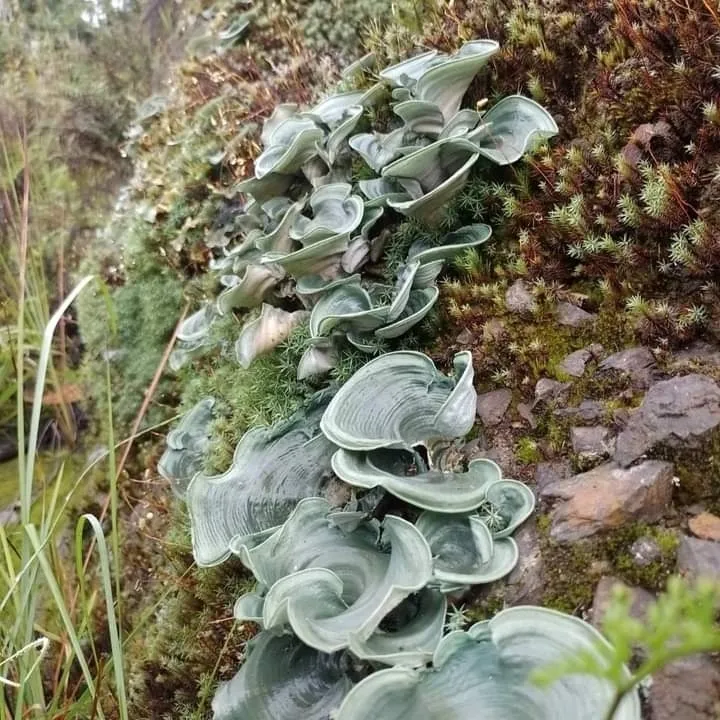
Foto yang diasosiasikan dengan Cora glabrata pada iNaturalist. Identifikasi mengikuti sumber; bukan penentuan spesimen independen.
Kredit dan penggunaan
(c) Floro Ortiz Contreras, some rights reserved (CC BY), uploaded by Floro Ortiz Contreras
Ukuran dan format gambar disesuaikan tanpa pemotongan, retus, atau penambahan skala. Lisensi sumber dipertahankan.
Sumber profil
- [1] Corella brasiliensis — Wikipedia (en)
- [2] Catalogue of Life Base2026-09-11 — Cora glabrata
- [3] Dokumentasi visual — Cora glabrata
- [4] Dokumentasi visual — Cora glabrata
- [5] Dokumentasi visual — Cora glabrata
Rujukan halaman ini
Fungi. Cora glabrata. Rilis data fungi-2026-10-12-expansion-2. https://fungi-atlas.mgadib.chatgpt.site/jamur/cora-glabrata/.
Status: impor sumber; pemeriksaan editorial per profil belum selesai. Untuk klaim biologis, gunakan rujukan pada bagian terkait dan periksa konteks sumber aslinya.