Ciri dan struktur
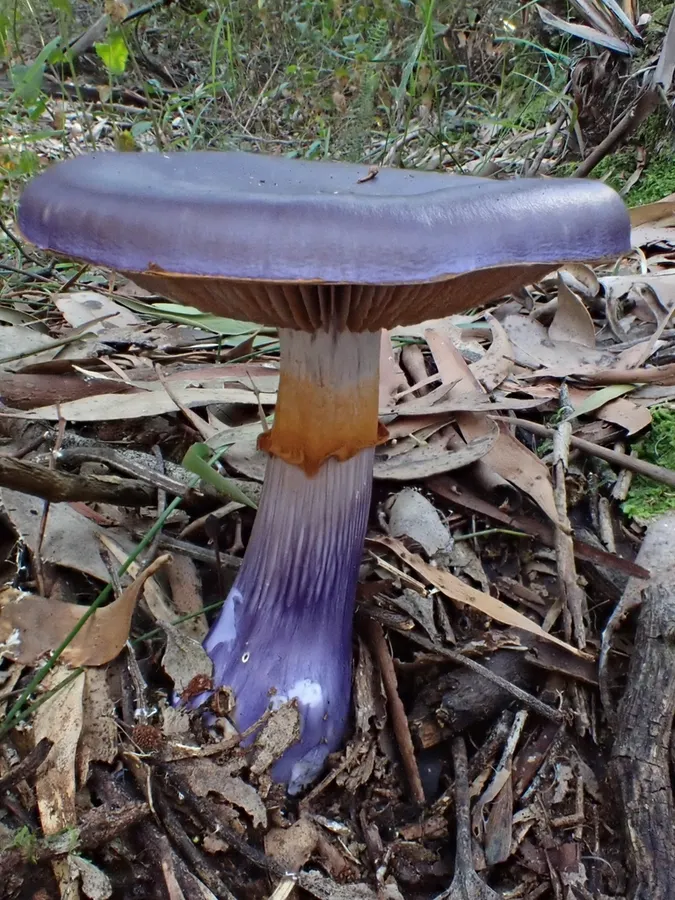
The cap is up to 10 cm broad, initially convex with strongly incurved margins before flattening out with age. The centre of the cap may have a central boss. The cap colour is deep violet at first and then becomes violet-brown with age, glutinous, and smooth. The flesh is thick and tinted lavender. The gills are brown and tinted lilac-violet. The stipe is 6 to 8 cm long, cylindrical, often swollen at the base, pale lilac above the cortina and deep violet below it. The spores are brown and fruit bodies will produce a brown spore print. The species has no odor, and a mild taste. When C. archeri is young, they have a cortina, but it is flimsy and tears apart as the cap expands which is why there are few traces of it on fully mature specimens.
Habitat dan peran ekologis
One of the commonest webcaps of southern Australia, It is regularly seen in the Lane Cove National Park, especially around North Ryde. In Victoria, the species is at Morwell National Park. This is the only Cortinarius species that was found in the Field Naturalists Club of Victoria's first fungi foray to Coranderrk Bush Sanctuary. It is found in the Mount Lofty Ranges east of Adelaide in South Australia. The species is common in eucalypt or mixed forests and is mycorrhizal, forms a close relationship with the roots of eucalypts or closely related trees. Although considered solitary, the mushroom can commonly be found in groups of two or three, It can thrive in recently burnt forests and can also be found in suburban lawns.
- Habitat atau konteks temuan
- hutan
- Substrat
- Informasi belum tersedia pada sumber rilis ini.
- Peran atau konteks
- Mitra tumbuhan
Reproduksi
The cap is up to 10 cm broad, initially convex with strongly incurved margins before flattening out with age. The centre of the cap may have a central boss. The cap colour is deep violet at first and then becomes violet-brown with age, glutinous, and smooth. The flesh is thick and tinted lavender. The gills are brown and tinted lilac-violet. The stipe is 6 to 8 cm long, cylindrical, often swollen at the base, pale lilac above the cortina and deep violet below it. The spores are brown and fruit bodies will produce a brown spore print. The species has no odor, and a mild taste. When C. archeri is young, they have a cortina, but it is flimsy and tears apart as the cap expands which is why there are few traces of it on fully mature specimens.
Catatan identitas dan cakupan
- Nama diterima mengikuti Catalogue of Life Base2026-09-11; uraian mempertahankan konsep dan nama sumber aslinya.
- Original geographic, specimen and life-cycle scope retained; source import awaits individual editorial review.
- Impor dan terjemahan otomatis belum diperiksa editorial per profil. Struktur reproduktif yang disebutkan tidak membuktikan seluruh siklus hidup diketahui.
- Pengukuran pada uraian mengikuti spesimen, kultur, dan metode sumber; angka tidak diperluas ke semua populasi.
Catatan distribusi dalam narasi mengikuti sumbernya. Dokumentasi spesimen atau foto mengikuti catatan sumber. Bukti wilayah Indonesia dan penilaian konservasi tidak disimpulkan dari gambar.
Melihat dengan konteks
Dokumentasi Cortinarius archeri menurut asosiasi foto pada record takson iNaturalist. Kredit: Beau Meister. Identitas mengikuti sumber; bukan penentuan spesimen independen.
- Jenis
- Fotografi
- Kredit
- (c) Beau Meister, some rights reserved (CC BY), uploaded by Beau Meister
- Lisensi
- CC BY 4.0
- Sumber media
- Buka entri sumber
Dokumentasi tambahan
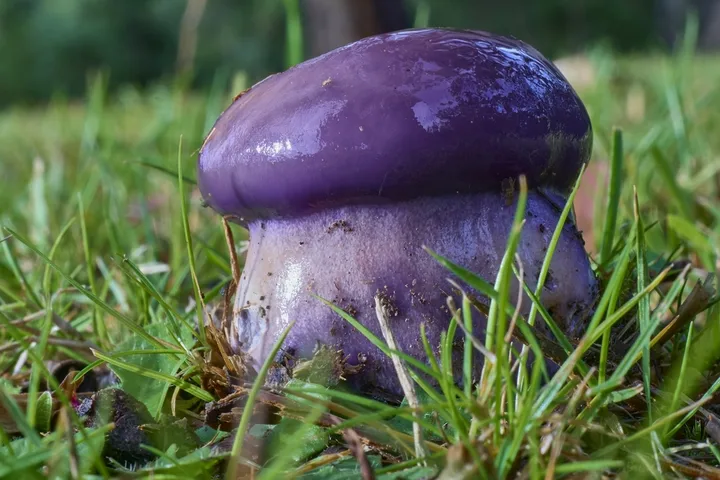
Foto yang diasosiasikan dengan Cortinarius archeri pada iNaturalist. Identifikasi mengikuti sumber; bukan penentuan spesimen independen.
Kredit dan penggunaan
(c) Brendan Costello, some rights reserved (CC BY), uploaded by Brendan Costello
Ukuran dan format gambar disesuaikan tanpa pemotongan, retus, atau penambahan skala. Lisensi sumber dipertahankan.
Sumber profil
- [1] Cortinarius archeri — Wikipedia (en)
- [2] Catalogue of Life Base2026-09-11 — Cortinarius archeri
- [3] Dokumentasi visual — Cortinarius archeri
- [4] Dokumentasi visual — Cortinarius archeri
Rujukan halaman ini
Fungi. Cortinarius archeri. Rilis data fungi-2026-10-12-expansion-2. https://fungi-atlas.mgadib.chatgpt.site/jamur/cortinarius-archeri/.
Status: impor sumber; pemeriksaan editorial per profil belum selesai. Untuk klaim biologis, gunakan rujukan pada bagian terkait dan periksa konteks sumber aslinya.