Ciri dan struktur
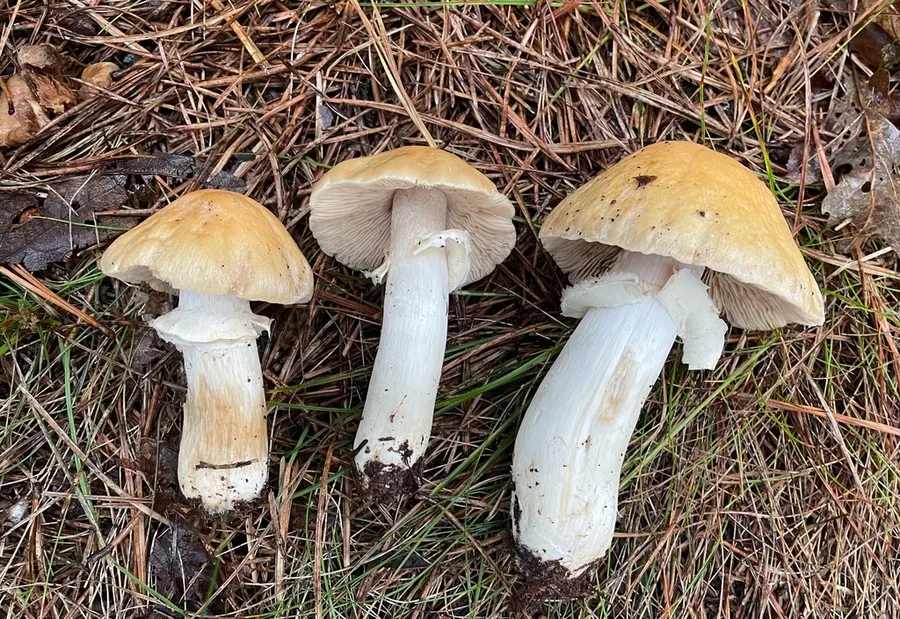
C. caperatus has a buff to brownish-ochre cap 5–12 cm diameter, which is covered with whitish fibres. The surface has a wrinkled and furrowed texture. It may have a lilac tinge when young. It is convex initially before expanding and flattening with a boss (umbo) in the centre. The stipe is 4–12 cm long and 1–2.2 cm thick; it is slightly swollen at the base, and whitish to beige with a noteworthy whitish ring, which is initially attached to the cap. The partial veil is a key identifying feature of the mushroom. The spores give an ochre-brown spore print. The warty almond-shaped spores measure 10–13 μm long by 8–9 μm wide. The flesh is cream-coloured and the flavor mild.
Habitat dan peran ekologis
C. caperatus ditemukan di seluruh Eropa utara, terutama di Skandinavia, di mana itu umum, meskipun jarang terjadi di Denmark and Islandia. Di Inggris Isles it jarang terjadi di luar Skotlandia Highlands and New Forest. Hal ini telah diklasifikasikan sebagai rentan dalam Germany and Great Britain and terancam punah di Belanda. C. caperatus telah menjadi kurang umum di sekitar Salzburg in Austria between 1937 dan 1988, dipikirkan karena pemotongan. Hal ini banyak ditemukan di bagian utara Amerika Utara, sejauh selatan hingga Mendocino County on di pantai barat. Ini jarang terjadi di California. C. caperatus adalah komponen langka dari daerah subartik di barat Greenland. Jamur ini juga tumbuh di Asia yang sedang, setelah tercatat tumbuh dengan bilberry dekat bukit timur (Fagus orientalis) dan pohon fir dekat Pamukova in Marmara Region of Turki. Ia juga ditemukan di daerah berpasir taiga (hutan pinus boreal) di Siberia barat. Fruiting bodies sprout from August to October in conifer and beech woods, as well as heather (often close by sphagnum) in Scotland. Ia adalah mikoriza tetapi tidak selektif di inangnya. Mushrooms appear dari September to November in Amerika Utara, dan July and August in Alaska. Ia lebih memilih tanah beras dan berpasir dan menghindari tanah yang berkapar, dan dapat ditemukan di habitat yang sama dengan bay bolete (Imleria badia), roll-rim cokelat (Paxillus involutus), dan chanterelles.
- Habitat atau konteks temuan
- hutan
- Substrat
- Informasi belum tersedia pada sumber rilis ini.
- Peran atau konteks
- Mitra tumbuhan
Reproduksi
C. caperatus has a buff to brownish-ochre cap 5–12 cm diameter, which is covered with whitish fibres. The surface has a wrinkled and furrowed texture. It may have a lilac tinge when young. It is convex initially before expanding and flattening with a boss (umbo) in the centre. The stipe is 4–12 cm long and 1–2.2 cm thick; it is slightly swollen at the base, and whitish to beige with a noteworthy whitish ring, which is initially attached to the cap. The partial veil is a key identifying feature of the mushroom. The spores give an ochre-brown spore print. The warty almond-shaped spores measure 10–13 μm long by 8–9 μm wide. The flesh is cream-coloured and the flavor mild.
Catatan identitas dan cakupan
- Nama diterima mengikuti Catalogue of Life Base2026-09-11; uraian mempertahankan konsep dan nama sumber aslinya.
- Original geographic, specimen and life-cycle scope retained; source import awaits individual editorial review.
- Impor dan terjemahan otomatis belum diperiksa editorial per profil. Struktur reproduktif yang disebutkan tidak membuktikan seluruh siklus hidup diketahui.
- Pengukuran pada uraian mengikuti spesimen, kultur, dan metode sumber; angka tidak diperluas ke semua populasi.
Catatan distribusi dalam narasi mengikuti sumbernya. Dokumentasi spesimen atau foto mengikuti catatan sumber. Bukti wilayah Indonesia dan penilaian konservasi tidak disimpulkan dari gambar.
Melihat dengan konteks
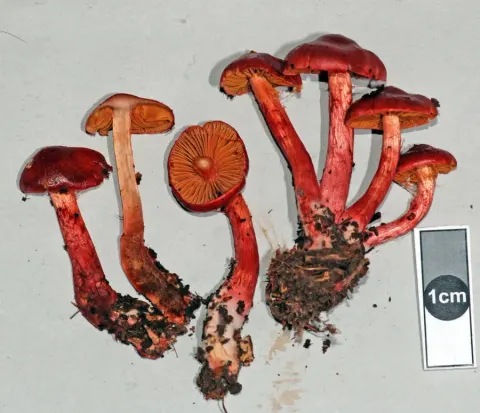
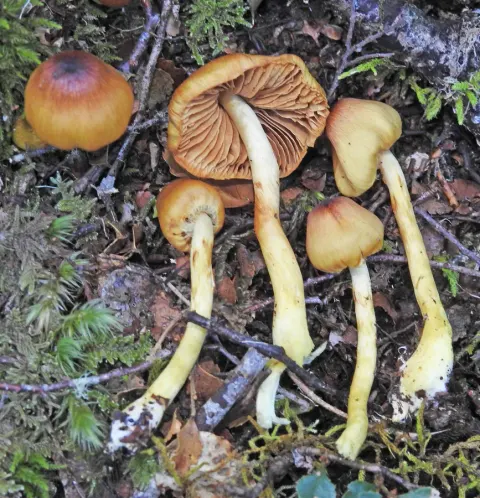
Dokumentasi Cortinarius caperatus menurut asosiasi foto pada record takson iNaturalist. Kredit: Annie Weissman. Identitas mengikuti sumber; bukan penentuan spesimen independen.
- Jenis
- Fotografi
- Kredit
- (c) Annie Weissman, some rights reserved (CC BY), uploaded by Annie Weissman
- Lisensi
- CC BY 4.0
- Sumber media
- Buka entri sumber
Dokumentasi tambahan
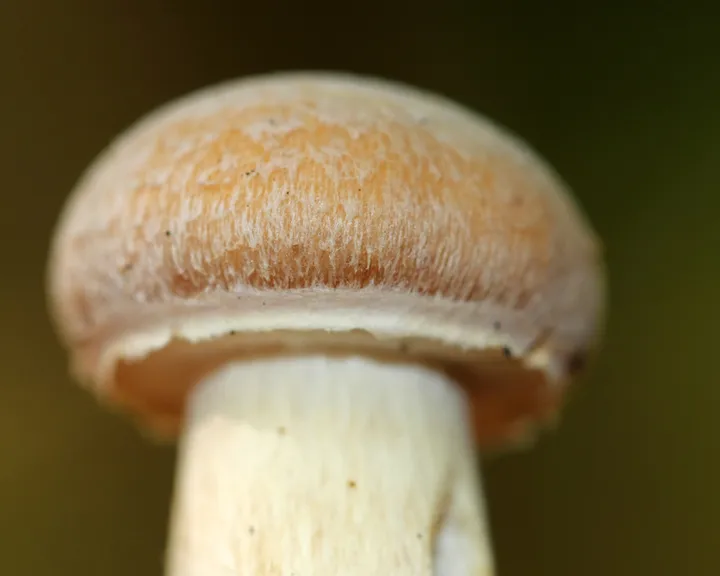
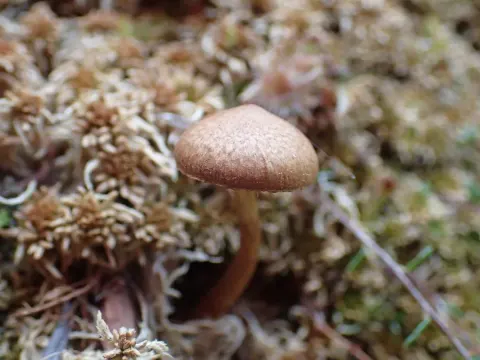
Foto yang diasosiasikan dengan Cortinarius caperatus pada iNaturalist. Identifikasi mengikuti sumber; bukan penentuan spesimen independen.
Kredit dan penggunaan
(c) Christine Young, some rights reserved (CC BY), uploaded by Christine Young
Ukuran dan format gambar disesuaikan tanpa pemotongan, retus, atau penambahan skala. Lisensi sumber dipertahankan.
Sumber profil
- [1] Cortinarius caperatus — Wikipedia (en)
- [2] Catalogue of Life Base2026-09-11 — Cortinarius caperatus
- [3] Dokumentasi visual — Cortinarius caperatus
- [4] Dokumentasi visual — Cortinarius caperatus
Rujukan halaman ini
Fungi. Cortinarius caperatus. Rilis data fungi-2026-10-12-expansion-2. https://fungi-atlas.mgadib.chatgpt.site/jamur/cortinarius-caperatus/.
Status: impor sumber; pemeriksaan editorial per profil belum selesai. Untuk klaim biologis, gunakan rujukan pada bagian terkait dan periksa konteks sumber aslinya.