Ciri dan struktur
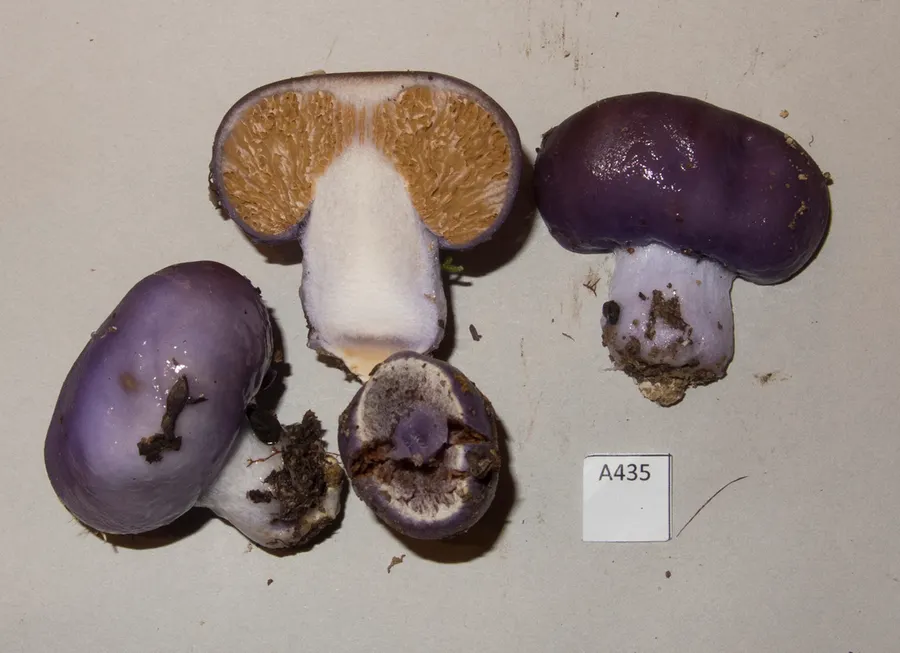
This species produces secotioid fruit bodies. The pileus ranges from 25 to 45 mm in diameter, can be pear-shaped to almost rounded with an incurved margin that is not attached to the stipe at maturity. The pileus is slimy, violet to dark violet, occasionally with a reddish hue, and is not hygrophanous. The gleba is loculate, with the locules (compartments) up to 3 mm long and ellipsoid in shape. There are white to pale violet tramal plates extending almost to the edge of the pileus. The stipe continues into the pileus as a columella. The stipe is 30–90 mm long and 8–14 mm wide, centrally attached, equal to subclavate in shape, white to pale lavender in colour, with a surface that is longitudinally striate, and having a fragile attachment to the sporocarp. The stipe context is white to white with a violaceus sheen especially at the base. The tissue of the cutis and stipe do not show any reaction to the addition of potassium hydroxide. Cortinarius purpureocapitatus is distinguished from the other purple secotioid species in New Zealand by the combination of having tramal plates and smooth spores.
Habitat dan peran ekologis
Cortinarius purpureocapitatus occurs in forests and is found in both the North and South Island of New Zealand. It is an ectomycorrhizal fungus, associated with Nothofagus species including red beech (N. fusca), mountain beech (N. cliffortioides) and hard beech (N. truncata).
- Habitat atau konteks temuan
- hutan
- Substrat
- Informasi belum tersedia pada sumber rilis ini.
- Peran atau konteks
- Mitra tumbuhan
Reproduksi
This species produces secotioid fruit bodies. The pileus ranges from 25 to 45 mm in diameter, can be pear-shaped to almost rounded with an incurved margin that is not attached to the stipe at maturity. The pileus is slimy, violet to dark violet, occasionally with a reddish hue, and is not hygrophanous. The gleba is loculate, with the locules (compartments) up to 3 mm long and ellipsoid in shape. There are white to pale violet tramal plates extending almost to the edge of the pileus. The stipe continues into the pileus as a columella. The stipe is 30–90 mm long and 8–14 mm wide, centrally attached, equal to subclavate in shape, white to pale lavender in colour, with a surface that is longitudinally striate, and having a fragile attachment to the sporocarp.
Catatan identitas dan cakupan
- Nama diterima mengikuti Catalogue of Life Base2026-09-11; uraian mempertahankan konsep dan nama sumber aslinya.
- Original geographic, specimen and life-cycle scope retained; source import awaits individual editorial review.
- Impor dan terjemahan otomatis belum diperiksa editorial per profil. Struktur reproduktif yang disebutkan tidak membuktikan seluruh siklus hidup diketahui.
- Pengukuran pada uraian mengikuti spesimen, kultur, dan metode sumber; angka tidak diperluas ke semua populasi.
Catatan distribusi dalam narasi mengikuti sumbernya. Dokumentasi spesimen atau foto mengikuti catatan sumber. Bukti wilayah Indonesia dan penilaian konservasi tidak disimpulkan dari gambar.
Melihat dengan konteks
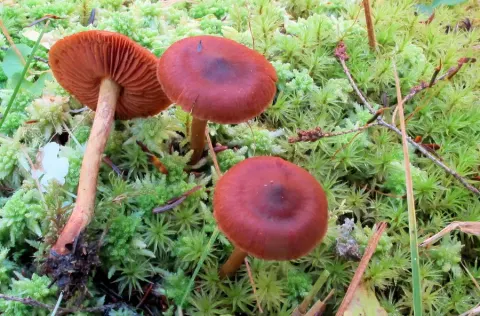
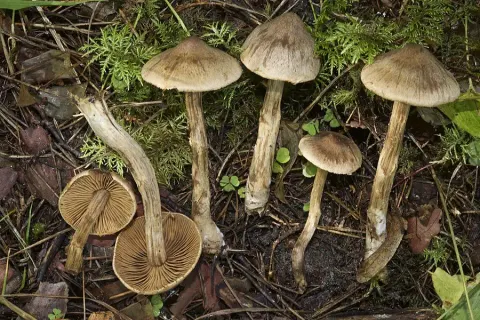
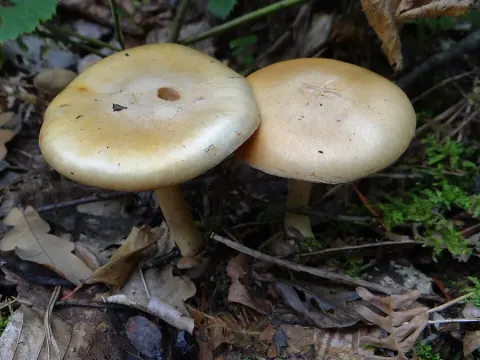
Dokumentasi Cortinarius purpureocapitatus menurut asosiasi foto pada record takson iNaturalist. Kredit: Jerry Cooper. Identitas mengikuti sumber; bukan penentuan spesimen independen.
- Jenis
- Fotografi
- Kredit
- (c) Jerry Cooper, some rights reserved (CC BY), uploaded by Jerry Cooper
- Lisensi
- CC BY 4.0
- Sumber media
- Buka entri sumber
Sumber profil
- [1] Cortinarius purpureocapitatus — Wikipedia (en)
- [2] Catalogue of Life Base2026-09-11 — Cortinarius purpureocapitatus
- [3] Dokumentasi visual — Cortinarius purpureocapitatus
Rujukan halaman ini
Fungi. Cortinarius purpureocapitatus. Rilis data fungi-2026-10-12-expansion-2. https://fungi-atlas.mgadib.chatgpt.site/jamur/cortinarius-purpureocapitatus/.
Status: impor sumber; pemeriksaan editorial per profil belum selesai. Untuk klaim biologis, gunakan rujukan pada bagian terkait dan periksa konteks sumber aslinya.