01 / Morfologi

Ciri dan struktur

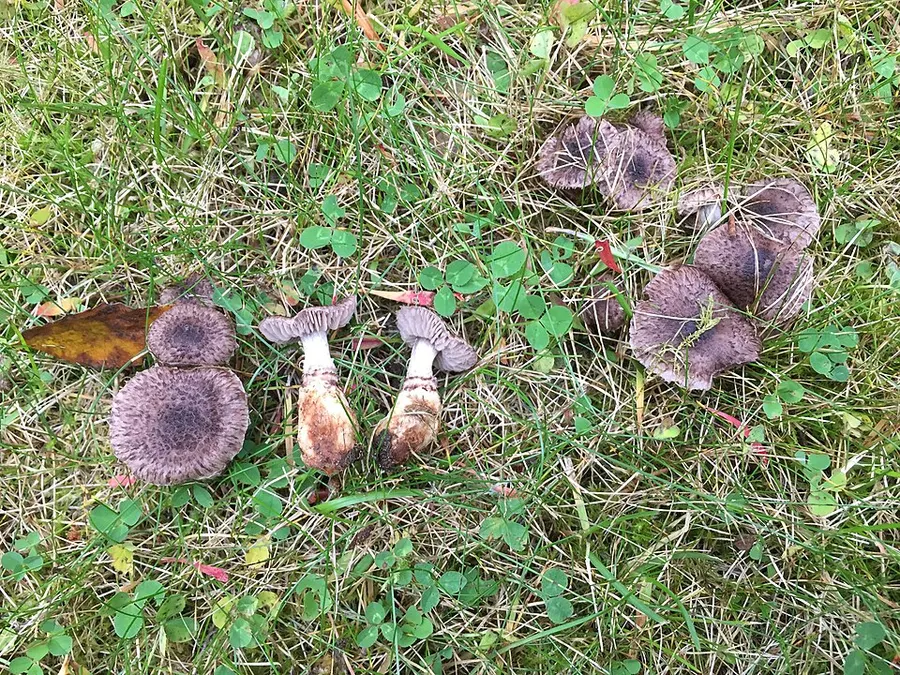
The sporocarps of D. odoratum are small and short-legged. They grow in clusters on the sporocarps of the Hebeloma mesophaeum. There can be more than ten sporocarps in one cluster, but they can also rarely grow individually. The pileus and the upper part of the foot are coarsely scaly. The species has a strong sweet scent, which has been as caramel-like or fruity.

Sebagian uraian ditampilkan dalam bahasa sumber; terjemahannya belum tersedia atau belum lolos pemeriksaan.

Rujukan: [1]

Pengukuran mengikuti objek, spesimen atau kultur, dan metode yang disebutkan sumber. Baca uraian asli untuk konteks lengkap.

02 / Kehidupan

Habitat dan peran ekologis

The habitat of D. odoratum is determined by the presence of its host species. The host species is a mycorrhizal fungi that usually grows with pine, spruce, beech, willow or birch. The host species is found from a variety of habitats, such as deciduous and coniferous forests, sand dunes, parks and gardens. The fungus can grow in a suitable habitat for a long time. For example, in Switzerland, the species grew in the same place for more than 13 years. It is unclear how this is possible, as the fungus is known to be parasitic only on spores and not on underground fungal mycelium. One possibility is that the species leaves chlamydospores behind, which always re-germinate on the sporocarps of the host. The fungus was originally found from The Netherlands in 1915. The species was first considered endemic, but in 1948 it was found in Denmark and later from other European countries. By 2016 the fungi was also found from Belgium, Great Britain, Italy, Norway, Poland, France, Sweden, Germany, Finland and Switzerland. In the 2020s, studies have been published using metabarcoding based on DNA sequencing of environmental samples have been published. This way the presence of D. odoratum in Estonia and Latvia was revealed although no spores have been found.

Sebagian uraian ditampilkan dalam bahasa sumber; terjemahannya belum tersedia atau belum lolos pemeriksaan.

Rujukan: [1]

Habitat atau konteks temuan
hutan
Substrat
Informasi belum tersedia pada sumber rilis ini.
Peran atau konteks
Mitra tumbuhan
Temukan hubungan serupa
03 / Siklus hidup

Reproduksi

The sporocarps of D. odoratum are small and short-legged. They grow in clusters on the sporocarps of the Hebeloma mesophaeum. There can be more than ten sporocarps in one cluster, but they can also rarely grow individually.

Sebagian uraian ditampilkan dalam bahasa sumber; terjemahannya belum tersedia atau belum lolos pemeriksaan.

Rujukan: [1]

Sinonim menurut acuan taksonomi rilis: Lepiota odorata; Squamanita odorata; Tricholoma odoratum
04 / Batas informasi

Catatan identitas dan cakupan

  • Nama diterima mengikuti Catalogue of Life Base2026-09-11; uraian mempertahankan konsep dan nama sumber aslinya.
  • Original geographic, specimen and life-cycle scope retained; source import awaits individual editorial review.
  • Impor dan terjemahan otomatis belum diperiksa editorial per profil. Struktur reproduktif yang disebutkan tidak membuktikan seluruh siklus hidup diketahui.
  • Pengukuran pada uraian mengikuti spesimen, kultur, dan metode sumber; angka tidak diperluas ke semua populasi.

Catatan distribusi dalam narasi mengikuti sumbernya. Dokumentasi spesimen atau foto mengikuti catatan sumber. Bukti wilayah Indonesia dan penilaian konservasi tidak disimpulkan dari gambar.

05 / Dokumentasi

Melihat dengan konteks

Dokumentasi Dissoderma odoratum dari Wikimedia Commons. Dissoderma odoratum in Rovaniemi, Finland. Identifikasi mengikuti record berkas sumber.

Jenis
Fotografi
Kredit
Outi Palmén
Sumber media
Buka entri sumber

Gambar menunjukkan objek menurut identifikasi sumber, bukan verifikasi independen spesimen oleh Fungi. Tidak ada skala baru yang ditambahkan.

06 / Rujukan

Sumber profil

  1. [1] Dissoderma odoratum — Wikipedia (en)Bagian sumber: Frozen revision 1347455826
    Tanggal penghimpunan sumber: 2026-10-12
    Teks sumber: CC BY-SA4.0 · Wikipedia contributors
  2. [2] Catalogue of Life Base2026-09-11 — Dissoderma odoratumBagian sumber: ColDP NameUsage.tsv ID B2RSQ; accepted species; source 2073
    Tanggal penghimpunan sumber: 2026-10-12
  3. [3] Dokumentasi visual — Dissoderma odoratumBagian sumber: Individual media record; identification follows the source, not independent determination
    Tanggal penghimpunan sumber: 2026-10-12
    Media sumber: CC BY-SA 4.0 · Outi Palmén

Adaptasi teks: CC BY-SA 4.0. Wikipedia contributors — Dissoderma odoratum — Wikipedia (en)

Uraian asli dan riwayat sumber

Riwayat atau halaman sumber

Ringkasan sumber

Dissoderma odoratum is a species of fungi in the family Squamanitaceae. It is a distinctly strong-smelling species with small, purple sporocarps. The fungus parasites in the sporocarps of the veiled hebeloma (Hebeloma mesophaeum), which are deformed by the parasitic fungus. Dissoderma odoratum is mostly found in Europe but has also been found from the United States. The fungus is a rare species that is classified as endangered in several European countries.

Revisi sumber

Morfologi sumber

The sporocarps of D. odoratum are small and short-legged. They grow in clusters on the sporocarps of the Hebeloma mesophaeum. There can be more than ten sporocarps in one cluster, but they can also rarely grow individually. The pileus and the upper part of the foot are coarsely scaly. The species has a strong sweet scent, which has been as caramel-like or fruity.

Revisi sumber

Ekologi sumber

The habitat of D. odoratum is determined by the presence of its host species. The host species is a mycorrhizal fungi that usually grows with pine, spruce, beech, willow or birch. The host species is found from a variety of habitats, such as deciduous and coniferous forests, sand dunes, parks and gardens. The fungus can grow in a suitable habitat for a long time. For example, in Switzerland, the species grew in the same place for more than 13 years. It is unclear how this is possible, as the fungus is known to be parasitic only on spores and not on underground fungal mycelium. One possibility is that the species leaves chlamydospores behind, which always re-germinate on the sporocarps of the host. The fungus was originally found from The Netherlands in 1915. The species was first considered endemic, but in 1948 it was found in Denmark and later from other European countries. By 2016 the fungi was also found from Belgium, Great Britain, Italy, Norway, Poland, France, Sweden, Germany, Finland and Switzerland. In the 2020s, studies have been published using metabarcoding based on DNA sequencing of environmental samples have been published. This way the presence of D. odoratum in Estonia and Latvia was revealed although no spores have been found.

Revisi sumber

Struktur reproduksi sumber

The sporocarps of D. odoratum are small and short-legged. They grow in clusters on the sporocarps of the Hebeloma mesophaeum. There can be more than ten sporocarps in one cluster, but they can also rarely grow individually.

Revisi sumber

Rujukan halaman ini

Fungi. Dissoderma odoratum. Rilis data fungi-2026-10-12-expansion-2. https://fungi-atlas.mgadib.chatgpt.site/jamur/dissoderma-odoratum/.

Status: impor sumber; pemeriksaan editorial per profil belum selesai. Untuk klaim biologis, gunakan rujukan pada bagian terkait dan periksa konteks sumber aslinya.