Ciri dan struktur
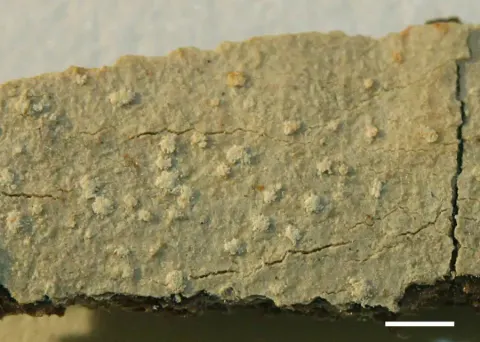
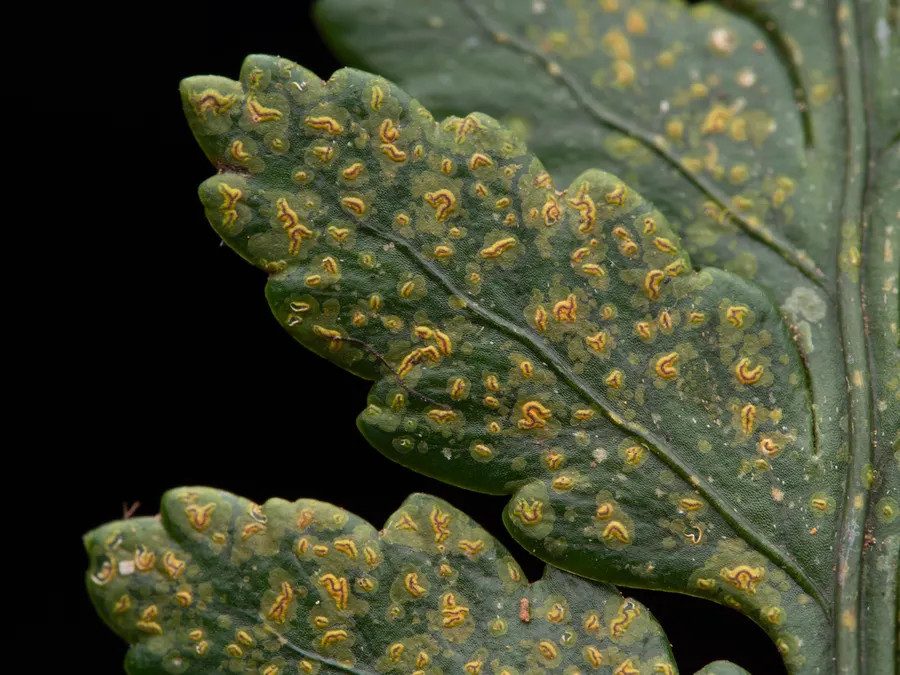
Enterographa bella is characterised by a pale greyish to translucent thallus that often forms small circular spots (typically 0.4–1 mm wide), which can merge into larger colonies. The thallus, containing a Phycopeltis photobiont and devoid of a prothallus, is quite thin and can spread up to 10 mm wide. This lichen has apothecia, which are elongated and can be straight, curved, or even serpentine (curved and twisting), usually surrounded by a pale orange-pink margin. They are typically 0.5–1 mm long. Its spores have seven transverse septa) internal partitions), and measure 20–31 by 3.5–5.5 μm. The hymenium, which measures 55–70 μm thick, has a diffusely pale brown colour towards the upper part. The major secondary metabolite (lichen product) present in Enterographa bella is psoromic acid. Chemical spot test reactions on the lichen are P+ (yellow) and C−. The asexual morph of the fungus is unknown.
Habitat dan peran ekologis
Although Enterographa bella considered for several decades after its discovery to be endemic to New Zealand, its recorded occurrence in Victoria, Australia expanded its known distribution. It was also later documented from Tasmania in 2021.
- Habitat atau konteks temuan
- Informasi belum tersedia pada sumber rilis ini.
- Substrat
- Informasi belum tersedia pada sumber rilis ini.
- Peran atau konteks
- Pembentuk liken
Reproduksi
Enterographa bella is characterised by a pale greyish to translucent thallus that often forms small circular spots (typically 0.4–1 mm wide), which can merge into larger colonies. The thallus, containing a Phycopeltis photobiont and devoid of a prothallus, is quite thin and can spread up to 10 mm wide. This lichen has apothecia, which are elongated and can be straight, curved, or even serpentine (curved and twisting), usually surrounded by a pale orange-pink margin. They are typically 0.5–1 mm long. Its spores have seven transverse septa) internal partitions), and measure 20–31 by 3.5–5.5 μm. The hymenium, which measures 55–70 μm thick, has a diffusely pale brown colour towards the upper part.
Catatan identitas dan cakupan
- Nama diterima mengikuti Catalogue of Life Base2026-09-11; uraian mempertahankan konsep dan nama sumber aslinya.
- Original geographic, specimen and life-cycle scope retained; source import awaits individual editorial review.
- Impor dan terjemahan otomatis belum diperiksa editorial per profil. Struktur reproduktif yang disebutkan tidak membuktikan seluruh siklus hidup diketahui.
- Pengukuran pada uraian mengikuti spesimen, kultur, dan metode sumber; angka tidak diperluas ke semua populasi.
Catatan distribusi dalam narasi mengikuti sumbernya. Dokumentasi spesimen atau foto mengikuti catatan sumber. Bukti wilayah Indonesia dan penilaian konservasi tidak disimpulkan dari gambar.
Melihat dengan konteks
Dokumentasi Enterographa bella menurut asosiasi foto pada record takson iNaturalist. Kredit: Saryu Mae 前 朝琉. Identitas mengikuti sumber; bukan penentuan spesimen independen.
- Jenis
- Fotografi
- Kredit
- (c) Saryu Mae 前 朝琉, some rights reserved (CC BY), uploaded by Saryu Mae 前 朝琉
- Lisensi
- CC BY 4.0
- Sumber media
- Buka entri sumber
Dokumentasi tambahan
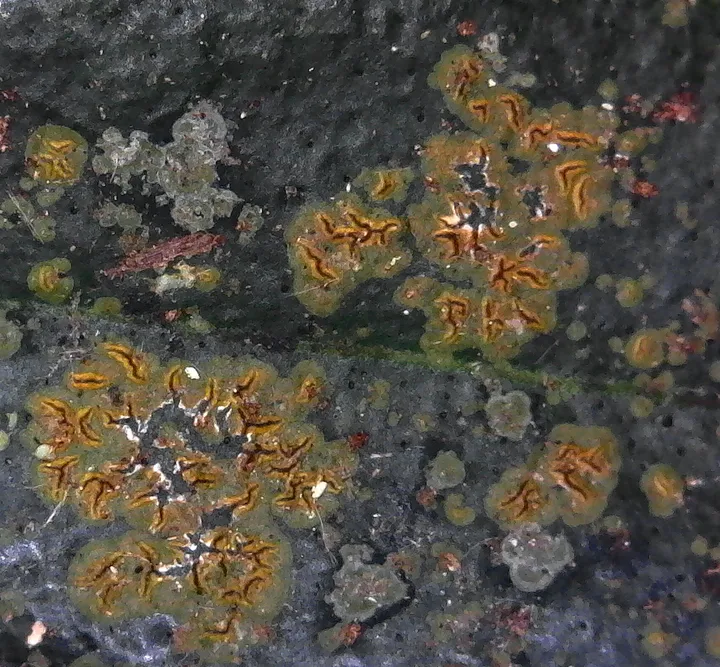
Foto yang diasosiasikan dengan Enterographa bella pada iNaturalist. Identifikasi mengikuti sumber; bukan penentuan spesimen independen.
Kredit dan penggunaan
no rights reserved, uploaded by Peter de Lange
Ukuran dan format gambar disesuaikan tanpa pemotongan, retus, atau penambahan skala. Lisensi sumber dipertahankan.
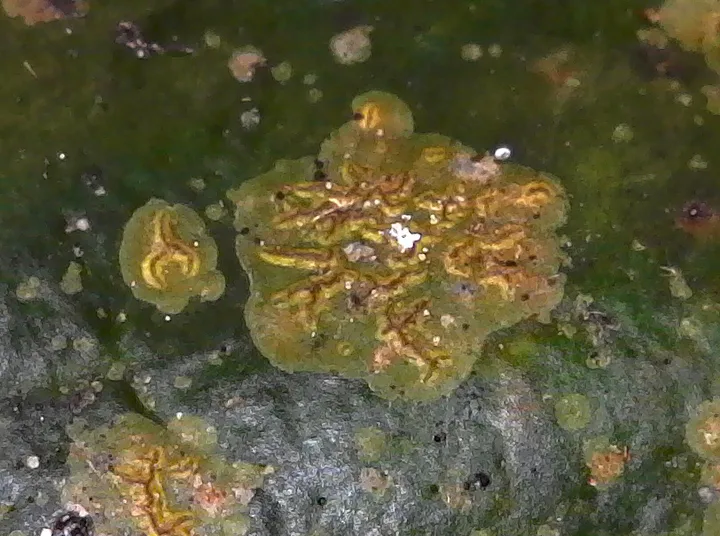
Foto yang diasosiasikan dengan Enterographa bella pada iNaturalist. Identifikasi mengikuti sumber; bukan penentuan spesimen independen.
Kredit dan penggunaan
no rights reserved, uploaded by Peter de Lange
Ukuran dan format gambar disesuaikan tanpa pemotongan, retus, atau penambahan skala. Lisensi sumber dipertahankan.
Sumber profil
- [1] Enterographa bella — Wikipedia (en)
- [2] Catalogue of Life Base2026-09-11 — Enterographa bella
- [3] Dokumentasi visual — Enterographa bella
- [4] Dokumentasi visual — Enterographa bella
- [5] Dokumentasi visual — Enterographa bella
Rujukan halaman ini
Fungi. Enterographa bella. Rilis data fungi-2026-10-12-expansion-2. https://fungi-atlas.mgadib.chatgpt.site/jamur/enterographa-bella/.
Status: impor sumber; pemeriksaan editorial per profil belum selesai. Untuk klaim biologis, gunakan rujukan pada bagian terkait dan periksa konteks sumber aslinya.