01 / Morfologi

Ciri dan struktur

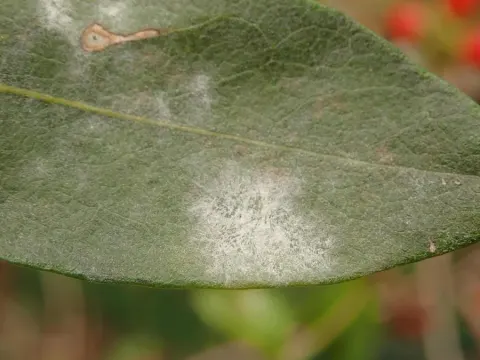
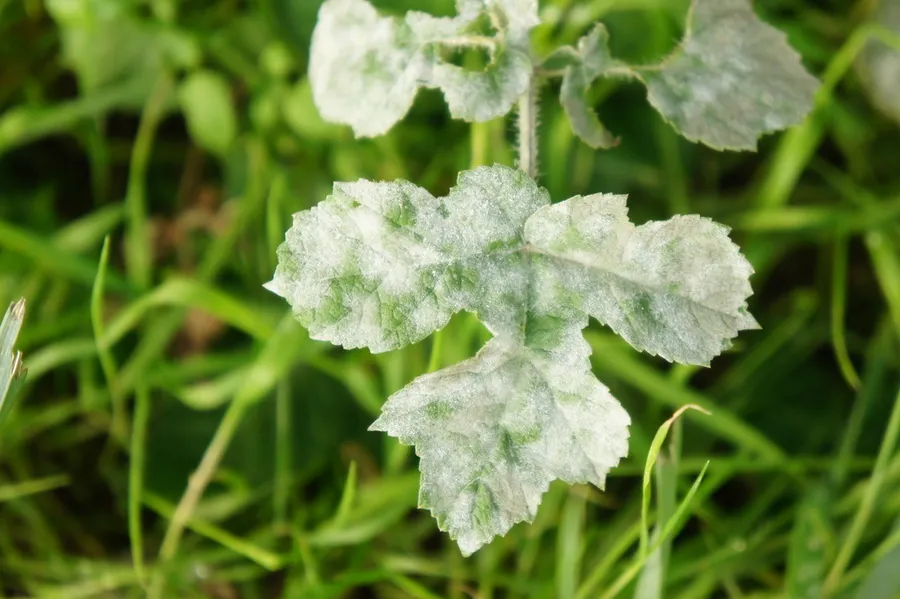
The fungus forms mycelium on both sides of the leaves of its hosts, as well as on stems and inflorescences. As with most Erysiphaceae, Erysiphe heraclei is fairly host-specific, infecting almost solely plants in the family Apiaceae (with the exception of one genus in the Pittosporaceae). However, it infects a comparatively large range of genera for a powdery mildew species, which could suggest that it is in fact a complex of multiple cryptic species. Erysiphe heraclei can be found in any habitats where its host species occur, both wild and in urban and suburban gardens and parks. Its reported host range includes Aegopodium, Aethusa, Ammi, Anethum, Angelica, Anthriscus, Apium, Arracacia, Astrodaucus, Athamantha, Aulacospermum, Berula, Bifora, Bowlesia, Bunium, Bupleurum, Cachrys, Carum, Caucalis, Centella, Chaerophyllum, Chaetosciadium, Cicuta, Cnidium, Conioselinum, Conium, Coriandrum, Cuminum, Daucus, Drusa, Dystaenia, Eryngium, Falcaria, Ferula, Foeniculum, Heracleum, Laser, Laserpitium, Levisticum, Ligusticum, Myrrhis, Oenanthe, Orlaya, Ostericum, Osmorhiza, Pastinaca, Petroselinum, Peucedanum, Phlojodicarpus, Physospermum, Pimpinella, Pleurospermum, Peucedanum, Rhabdosciadium, Ridolfia, Saposhnikovia, Scaligeria, Scandix, Schrenkia, Selinum, Seseli, Silaum, Siler, Sium, Smyrnium, Sphallerocarpus, Thapsia, Todaroa, Tordylium, Torilis, Trachymene, Trinia, Turgenia and Zizia in the Apiaceae and Billardiera in the Pittosporaceae. Some of these species also host other species of powdery mildew. The mycelium is hypophyllous (found on leaf undersides) and sometimes covers the entire surface.

Sebagian uraian ditampilkan dalam bahasa sumber; terjemahannya belum tersedia atau belum lolos pemeriksaan.

Rujukan: [1]

Pengukuran mengikuti objek, spesimen atau kultur, dan metode yang disebutkan sumber. Baca uraian asli untuk konteks lengkap.

02 / Kehidupan

Habitat dan peran ekologis

Jamur membentuk mycelium di kedua sisi daun tuan rumah, serta pada batang dan bunga. Seperti kebanyakan Erysiphaceae, Erysiphe heraclei cukup spesifik untuk inang, menginfeksi hampir hanya tanaman dalam keluarga Apiaceae (kecuali satu genus dalam Pittosporaceae). Namun, infeksi ini menularkan berbagai jenis yang relatif besar untuk spesies jamur bubuk, yang dapat menunjukkan bahwa sebenarnya merupakan kompleks dari beberapa spesies kriptis. Erysiphe heraclei dapat ditemukan di habitat mana pun spesies tuan rumahnya terjadi, baik di alam liar maupun di taman dan taman kota dan pinggiran kota. Mycelium adalah hipofilus (dijumpai di bagian bawah daun) dan kadang-kadang menutupi seluruh permukaan. Appressoria hifa berlob dan terjadi secara terpisah dan berpasangan. Conidophores arise dari puncak sel induk mereka. They have sel kaki silinder, lurus. konidiofor menghasilkan tunggal konidia. Conidia are silinder; tabung kuman muncul di ujung dan panjangnya bervariasi. Conidia appressoria bervariasi dan dapat memiliki hingga sembilan lobus. Cachmothecia (badan buah) memiliki sejumlah tambahan yang bervariasi di bagian bawah, yang myceloid dan bercabang sederhana atau tidak teratur. Appendages are dikatakan sering terjalin dengan mycelium.

Rujukan: [1]

Habitat atau konteks temuan
Informasi belum tersedia pada sumber rilis ini.
Substrat
Informasi belum tersedia pada sumber rilis ini.
Peran atau konteks
Belum dikategorikan pada rilis ini.
Temukan hubungan serupa
03 / Siklus hidup

Reproduksi

The mycelium is hypophyllous (found on leaf undersides) and sometimes covers the entire surface. The hyphal appressoria are lobed and occur both solitarily and in opposite pairs. Conidophores arise from the top of their mother cell. They have cylindrical, straight foot cells. The conidiophores produce single conidia. Conidia are cylindrical; germ tubes arise an end and are variable in length. Conidia appressoria are vary variable and can have up to nine lobes. The chasmothecia (fruiting bodies) have a variable number of appendages in the lower half, which are myceloid and simple or irregularly branched. Appendages are said to often be interwoven with the mycelium. Appendages are pigmented yellowish-brown when mature.

Sebagian uraian ditampilkan dalam bahasa sumber; terjemahannya belum tersedia atau belum lolos pemeriksaan.

Rujukan: [1]

Sinonim menurut acuan taksonomi rilis: Alphitomorpha communis var. umbelliferarum; Alphitomorpha heraclei; Erysiphe communis f. umbelliferarum; Erysiphe martii umbelliferarum; Erysiphe pisi var. heraclei; Erysiphe umbelliferarum; Erysiphe umbelliferarum f. aegopodii; Erysiphe umbelliferarum f. aethusae; Erysiphe umbelliferarum f. anethi; Erysiphe umbelliferarum f. angelicae; Erysiphe umbelliferarum f. anthrisci; Erysiphe umbelliferarum f. apii; Erysiphe umbelliferarum f. aulacospermi; Erysiphe umbelliferarum f. cachrydis; Erysiphe umbelliferarum f. carvi; Erysiphe umbelliferarum f. chaerophylli; Erysiphe umbelliferarum f. cicutae; Erysiphe umbelliferarum f. conii; Erysiphe umbelliferarum f. conioselini; Erysiphe umbelliferarum f. dauci; Erysiphe umbelliferarum f. eryngii; Erysiphe umbelliferarum f. falcariae; Erysiphe umbelliferarum f. ferulae; Erysiphe umbelliferarum f. golenkinianthes; Erysiphe umbelliferarum f. hippomarathri; Erysiphe umbelliferarum f. ligustici; Erysiphe umbelliferarum f. myrrhidis; Erysiphe umbelliferarum f. orlayae; Erysiphe umbelliferarum f. pastinacae; Erysiphe umbelliferarum f. peucedani; Erysiphe umbelliferarum f. phloiodocarpi; Erysiphe umbelliferarum f. physospermi; Erysiphe umbelliferarum f. pleurospermi; Erysiphe umbelliferarum f. scandicis; Erysiphe umbelliferarum f. selini; Erysiphe umbelliferarum f. seseli; Erysiphe umbelliferarum f. silai; Erysiphe umbelliferarum f. smyrnii; Erysiphe umbelliferarum f. thapsiae; Erysiphe umbelliferarum f. tordylii
04 / Batas informasi

Catatan identitas dan cakupan

  • Nama diterima mengikuti Catalogue of Life Base2026-09-11; uraian mempertahankan konsep dan nama sumber aslinya.
  • Original geographic, specimen and life-cycle scope retained; source import awaits individual editorial review.
  • Impor dan terjemahan otomatis belum diperiksa editorial per profil. Struktur reproduktif yang disebutkan tidak membuktikan seluruh siklus hidup diketahui.
  • Pengukuran pada uraian mengikuti spesimen, kultur, dan metode sumber; angka tidak diperluas ke semua populasi.

Catatan distribusi dalam narasi mengikuti sumbernya. Dokumentasi spesimen atau foto mengikuti catatan sumber. Bukti wilayah Indonesia dan penilaian konservasi tidak disimpulkan dari gambar.

05 / Dokumentasi

Melihat dengan konteks

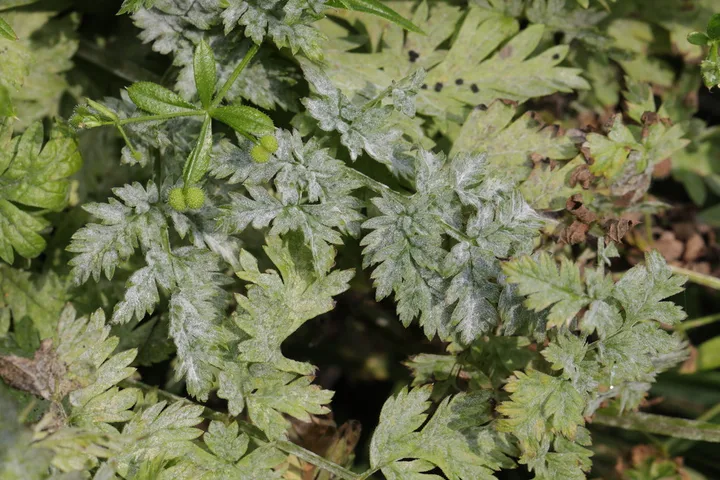
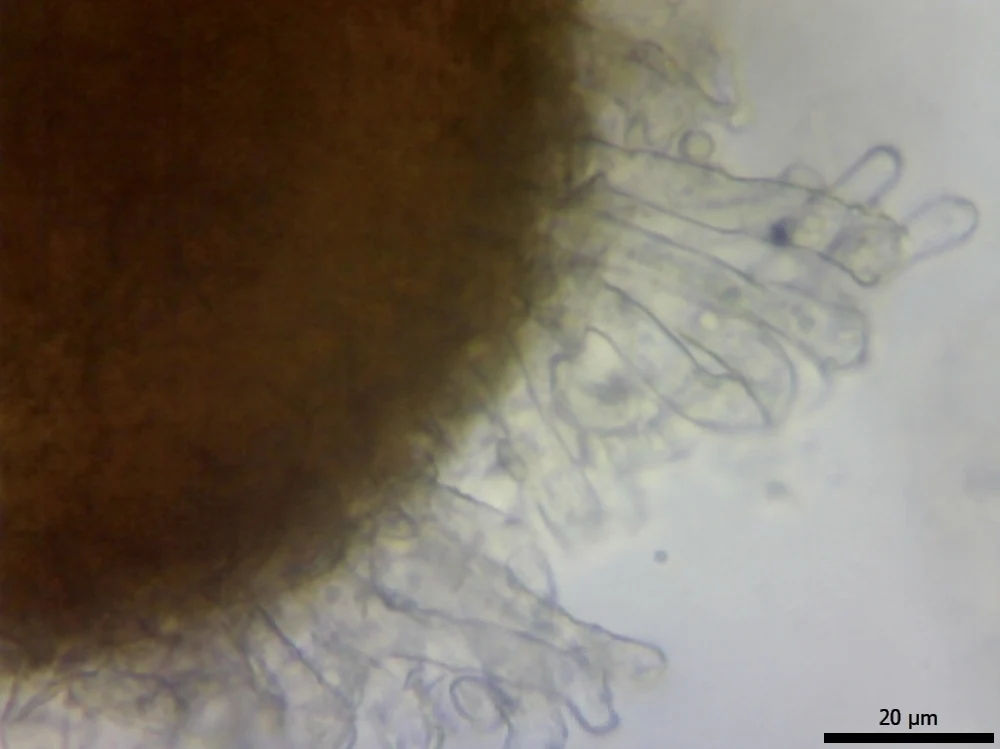
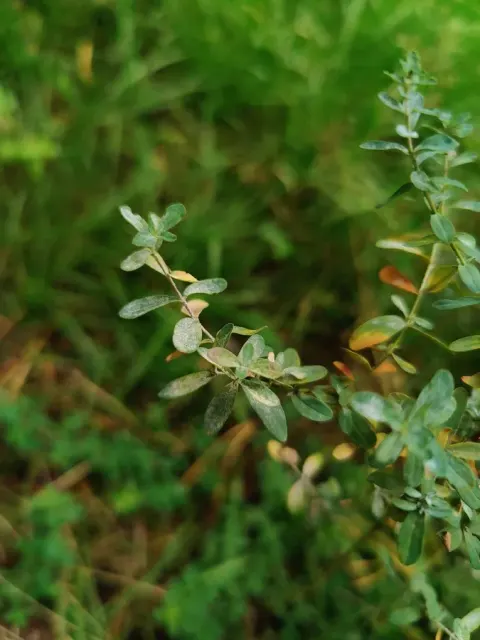
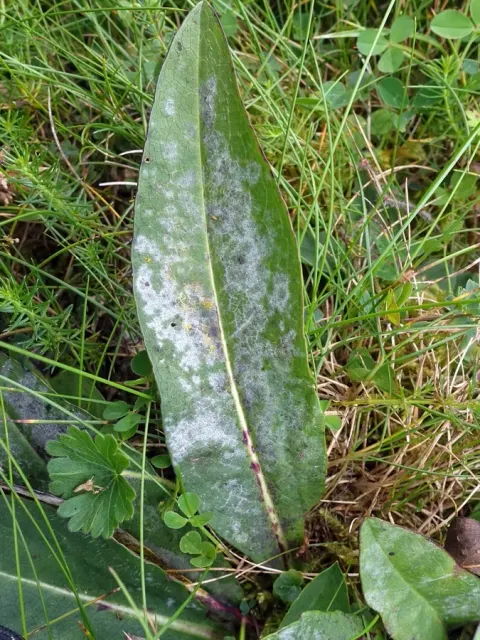
Dokumentasi Erysiphe heraclei menurut asosiasi foto pada record takson iNaturalist. Kredit: Alex Press. Identitas mengikuti sumber; bukan penentuan spesimen independen.

Jenis
Fotografi
Kredit
(c) Alex Press, some rights reserved (CC BY), uploaded by Alex Press
Lisensi
CC BY 4.0
Sumber media
Buka entri sumber

Gambar menunjukkan objek menurut identifikasi sumber, bukan verifikasi independen spesimen oleh Fungi. Tidak ada skala baru yang ditambahkan.

Dokumentasi tambahan

06 / Rujukan

Sumber profil

  1. [1] Erysiphe heraclei — Wikipedia (en)Bagian sumber: Frozen revision 1370136314
    Tanggal penghimpunan sumber: 2026-10-12
    Teks sumber: CC BY-SA4.0 · Wikipedia contributors
  2. [2] Catalogue of Life Base2026-09-11 — Erysiphe heracleiBagian sumber: ColDP NameUsage.tsv ID 3BC43; accepted species; source 2073
    Tanggal penghimpunan sumber: 2026-10-12
  3. [3] Dokumentasi visual — Erysiphe heracleiBagian sumber: Identitas mengikuti sumber dokumentasi; bukan penentuan spesimen independen.
    Tanggal penghimpunan sumber: 2026-10-17
    Media sumber: CC BY 4.0 · (c) Alex Press, some rights reserved (CC BY), uploaded by Alex Press
  4. [4] Dokumentasi visual — Erysiphe heracleiBagian sumber: Identitas mengikuti sumber dokumentasi; bukan penentuan spesimen independen.
    Tanggal penghimpunan sumber: 2026-10-17
    Teks sumber: CC0 1.0 · no rights reserved, uploaded by Stephen James McWilliam
  5. [5] Dokumentasi visual — Erysiphe heracleiBagian sumber: Identitas mengikuti sumber dokumentasi; bukan penentuan spesimen independen.
    Tanggal penghimpunan sumber: 2026-10-17
    Teks sumber: CC BY 4.0 · (c) Jamie O'Neill, some rights reserved (CC BY), uploaded by Jamie O'Neill

Adaptasi teks: CC BY-SA 4.0. Wikipedia contributors — Erysiphe heraclei — Wikipedia (en)

Uraian asli dan riwayat sumber

Riwayat atau halaman sumber

Ringkasan sumber

The fungus forms mycelium on both sides of the leaves of its hosts, as well as on stems and inflorescences. As with most Erysiphaceae, Erysiphe heraclei is fairly host-specific, infecting almost solely plants in the family Apiaceae (with the exception of one genus in the Pittosporaceae). However, it infects a comparatively large range of genera for a powdery mildew species, which could suggest that it is in fact a complex of multiple cryptic species. Erysiphe heraclei can be found in any habitats where its host species occur, both wild and in urban and suburban gardens and parks.

Revisi sumber

Morfologi sumber

The fungus forms mycelium on both sides of the leaves of its hosts, as well as on stems and inflorescences. As with most Erysiphaceae, Erysiphe heraclei is fairly host-specific, infecting almost solely plants in the family Apiaceae (with the exception of one genus in the Pittosporaceae). However, it infects a comparatively large range of genera for a powdery mildew species, which could suggest that it is in fact a complex of multiple cryptic species. Erysiphe heraclei can be found in any habitats where its host species occur, both wild and in urban and suburban gardens and parks. Its reported host range includes Aegopodium, Aethusa, Ammi, Anethum, Angelica, Anthriscus, Apium, Arracacia, Astrodaucus, Athamantha, Aulacospermum, Berula, Bifora, Bowlesia, Bunium, Bupleurum, Cachrys, Carum, Caucalis, Centella, Chaerophyllum, Chaetosciadium, Cicuta, Cnidium, Conioselinum, Conium, Coriandrum, Cuminum, Daucus, Drusa, Dystaenia, Eryngium, Falcaria, Ferula, Foeniculum, Heracleum, Laser, Laserpitium, Levisticum, Ligusticum, Myrrhis, Oenanthe, Orlaya, Ostericum, Osmorhiza, Pastinaca, Petroselinum, Peucedanum, Phlojodicarpus, Physospermum, Pimpinella, Pleurospermum, Peucedanum, Rhabdosciadium, Ridolfia, Saposhnikovia, Scaligeria, Scandix, Schrenkia, Selinum, Seseli, Silaum, Siler, Sium, Smyrnium, Sphallerocarpus, Thapsia, Todaroa, Tordylium, Torilis, Trachymene, Trinia, Turgenia and Zizia in the Apiaceae and Billardiera in the Pittosporaceae. Some of these species also host other species of powdery mildew. The mycelium is hypophyllous (found on leaf undersides) and sometimes covers the entire surface.

Revisi sumber

Ekologi sumber

The fungus forms mycelium on both sides of the leaves of its hosts, as well as on stems and inflorescences. As with most Erysiphaceae, Erysiphe heraclei is fairly host-specific, infecting almost solely plants in the family Apiaceae (with the exception of one genus in the Pittosporaceae). However, it infects a comparatively large range of genera for a powdery mildew species, which could suggest that it is in fact a complex of multiple cryptic species. Erysiphe heraclei can be found in any habitats where its host species occur, both wild and in urban and suburban gardens and parks. The mycelium is hypophyllous (found on leaf undersides) and sometimes covers the entire surface. The hyphal appressoria are lobed and occur both solitarily and in opposite pairs. Conidophores arise from the top of their mother cell. They have cylindrical, straight foot cells. The conidiophores produce single conidia. Conidia are cylindrical; germ tubes arise an end and are variable in length. Conidia appressoria are vary variable and can have up to nine lobes. The chasmothecia (fruiting bodies) have a variable number of appendages in the lower half, which are myceloid and simple or irregularly branched. Appendages are said to often be interwoven with the mycelium.

Revisi sumber

Struktur reproduksi sumber

The mycelium is hypophyllous (found on leaf undersides) and sometimes covers the entire surface. The hyphal appressoria are lobed and occur both solitarily and in opposite pairs. Conidophores arise from the top of their mother cell. They have cylindrical, straight foot cells. The conidiophores produce single conidia. Conidia are cylindrical; germ tubes arise an end and are variable in length. Conidia appressoria are vary variable and can have up to nine lobes. The chasmothecia (fruiting bodies) have a variable number of appendages in the lower half, which are myceloid and simple or irregularly branched. Appendages are said to often be interwoven with the mycelium. Appendages are pigmented yellowish-brown when mature.

Revisi sumber

Rujukan halaman ini

Fungi. Erysiphe heraclei. Rilis data fungi-2026-10-12-expansion-2. https://fungi-atlas.mgadib.chatgpt.site/jamur/erysiphe-heraclei/.

Status: impor sumber; pemeriksaan editorial per profil belum selesai. Untuk klaim biologis, gunakan rujukan pada bagian terkait dan periksa konteks sumber aslinya.