Ciri dan struktur
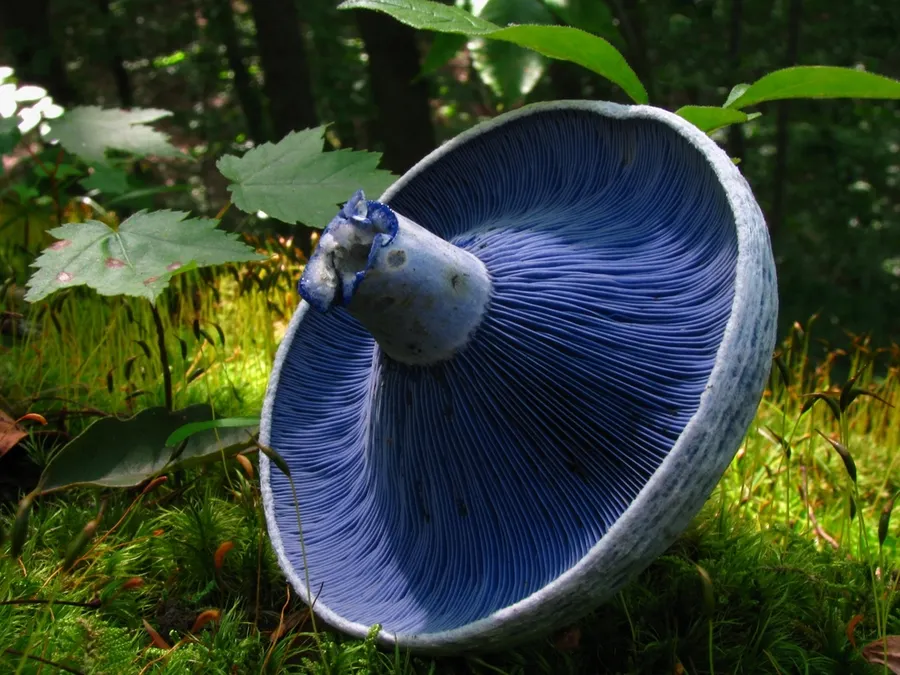
Like many other mushrooms, L. indigo develops from a nodule that forms within the underground mycelium, a mass of threadlike fungal cells called hyphae that make up the bulk of the organism. Under appropriate environmental conditions of temperature, humidity, and nutrient availability, the visible reproductive structures (fruit bodies) are formed. The cap of the fruit body, measuring between 4–15 cm in diameter, is initially convex and later develops a central depression; in age it becomes even more deeply depressed, becoming somewhat funnel-shaped as the edge of the cap lifts upward. The margin of the cap is rolled inwards when young, but unrolls and elevates as it matures. The cap surface is indigo blue when fresh, but fades to a paler grayish- or silvery-blue, sometimes with greenish splotches. It is often zonate: marked with concentric lines that form alternating pale and darker zones, and the cap may have dark blue spots, especially towards the edge. Young caps are sticky to the touch. Fruit bodies of L. indigo have no distinguishable odor. When viewed in mass, as in a spore print, the spores appear cream to yellow colored. Viewed with a light microscope, the spores are translucent (hyaline), elliptical to nearly spherical in shape, with amyloid warts, and have dimensions of 7–9 by 5.5–7.5 μm. Cystidia are terminal cells of hyphae in the hymenium which do not produce spores, and function in aiding spore dispersal, and maintaining favorable humidity around developing spores. The pleurocystidia are cystidia that are found on the face of a gill; they are 40–56 by 6.4–8 μm, roughly spindle-shaped, and have a constricted apex.
Habitat dan peran ekologis
Lactarius indigo tersebar di seluruh selatan dan timur Utara America but paling umum di sepanjang Pantai Teluk, Meksiko, dan Guatemala. Frekuensi penampilannya di Appalachian Mountains of the United States has digambarkan sebagai "sesekali sampai umum di daerah setempat". Ia juga ditemukan di Meksiko, Guatemala, Kosta Rika (di hutan yang didominasi oleh ek), dan sejauh selatan hutan awan Humboldt oak Kolombia. Di Eropa, sampai saat ini hanya ditemukan di Prancis selatan. It has also been collected from China and India. A study on the seasonal appearance of fruiting bodies in the subtropical forests of Xalapa, Mexico, found that maximal production of L. indigo coincided with the rainy season between June and September. Ini adalah jamur mikoriza, dan sebagai semacamnya, membangun hubungan mutualistik dengan akar pohon tertentu ("host"), di mana jamur pertukaran mineral dan asam amino yang diekstrak dari tanah untuk karbon tetap dari host. Di bawah tanah hifa jamur tumbuh lapisan jaringan di sekitar akar-akar dari berbagai spesies pohon, membentuk apa yang disebut ektomycorrhizae ⁇ sebuah hubungan intim yang sangat bermanfaat bagi inang, karena jamur menghasilkan enzim yang mengmineralkan senyawa organik dan memfasilitasi transfer nutrisi ke pohon.
- Habitat atau konteks temuan
- hutan
- Substrat
- Informasi belum tersedia pada sumber rilis ini.
- Peran atau konteks
- Mitra tumbuhan
Reproduksi
Like many other mushrooms, L. indigo develops from a nodule that forms within the underground mycelium, a mass of threadlike fungal cells called hyphae that make up the bulk of the organism. Under appropriate environmental conditions of temperature, humidity, and nutrient availability, the visible reproductive structures (fruit bodies) are formed. The cap of the fruit body, measuring between 4–15 cm in diameter, is initially convex and later develops a central depression; in age it becomes even more deeply depressed, becoming somewhat funnel-shaped as the edge of the cap lifts upward. The margin of the cap is rolled inwards when young, but unrolls and elevates as it matures. The cap surface is indigo blue when fresh, but fades to a paler grayish- or silvery-blue, sometimes with greenish splotches.
Catatan identitas dan cakupan
- Nama diterima mengikuti Catalogue of Life Base2026-09-11; uraian mempertahankan konsep dan nama sumber aslinya.
- Original geographic, specimen and life-cycle scope retained; source import awaits individual editorial review.
- Impor dan terjemahan otomatis belum diperiksa editorial per profil. Struktur reproduktif yang disebutkan tidak membuktikan seluruh siklus hidup diketahui.
- Pengukuran pada uraian mengikuti spesimen, kultur, dan metode sumber; angka tidak diperluas ke semua populasi.
Catatan distribusi dalam narasi mengikuti sumbernya. Dokumentasi spesimen atau foto mengikuti catatan sumber. Bukti wilayah Indonesia dan penilaian konservasi tidak disimpulkan dari gambar.
Melihat dengan konteks
Dokumentasi Lactarius indigo menurut asosiasi foto pada record takson iNaturalist. Kredit: Dan Molter. Identitas mengikuti sumber; bukan penentuan spesimen independen.
- Jenis
- Fotografi
- Kredit
- (c) Dan Molter, some rights reserved (CC BY-SA)
- Lisensi
- CC BY-SA 4.0
- Sumber media
- Buka entri sumber
Dokumentasi tambahan
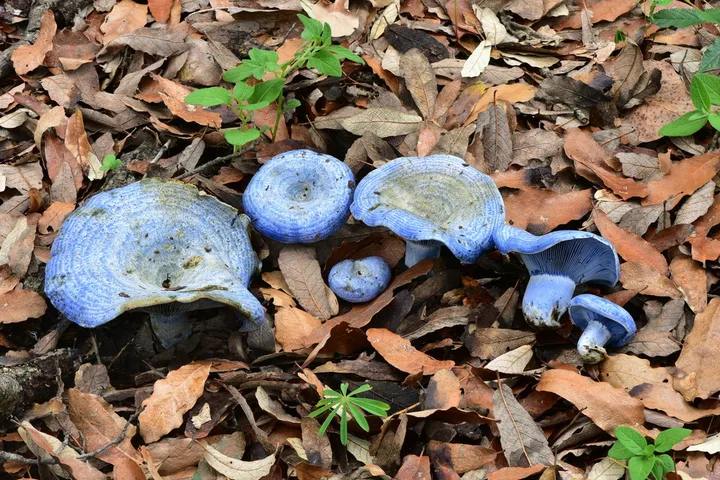
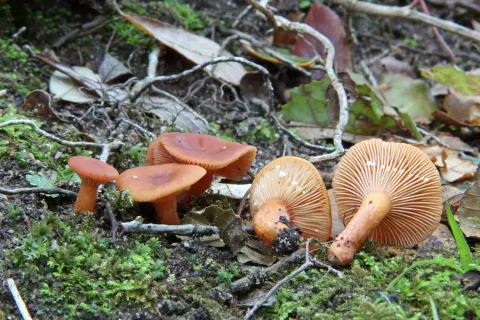
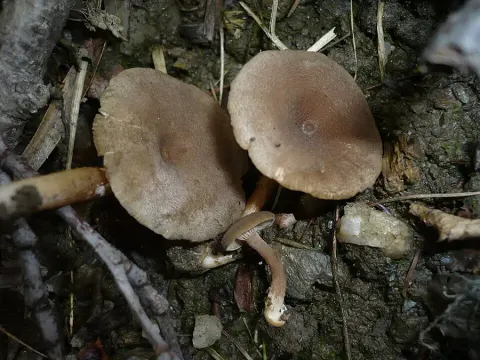
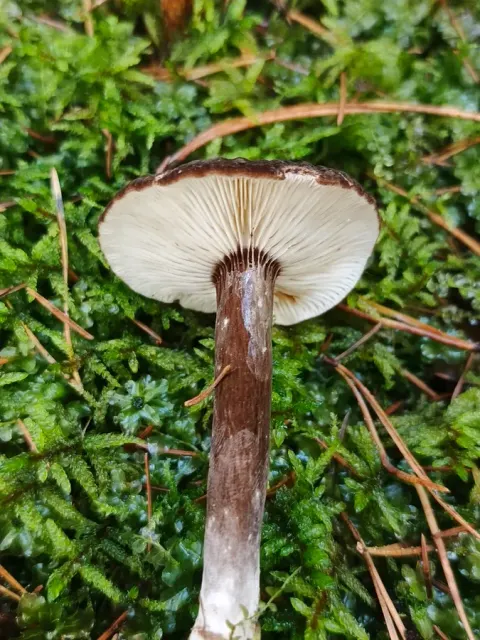
Foto yang diasosiasikan dengan Lactarius indigo pada iNaturalist. Identifikasi mengikuti sumber; bukan penentuan spesimen independen.
Kredit dan penggunaan
(c) Alan Rockefeller, some rights reserved (CC BY), uploaded by Alan Rockefeller
Ukuran dan format gambar disesuaikan tanpa pemotongan, retus, atau penambahan skala. Lisensi sumber dipertahankan.
Sumber profil
- [1] Lactarius indigo — Wikipedia (en)
- [2] Catalogue of Life Base2026-09-11 — Lactarius indigo
- [3] Dokumentasi visual — Lactarius indigo
- [4] Dokumentasi visual — Lactarius indigo
Rujukan halaman ini
Fungi. Lactarius indigo. Rilis data fungi-2026-10-12-expansion-2. https://fungi-atlas.mgadib.chatgpt.site/jamur/lactarius-indigo/.
Status: impor sumber; pemeriksaan editorial per profil belum selesai. Untuk klaim biologis, gunakan rujukan pada bagian terkait dan periksa konteks sumber aslinya.