01 / Morfologi

Ciri dan struktur

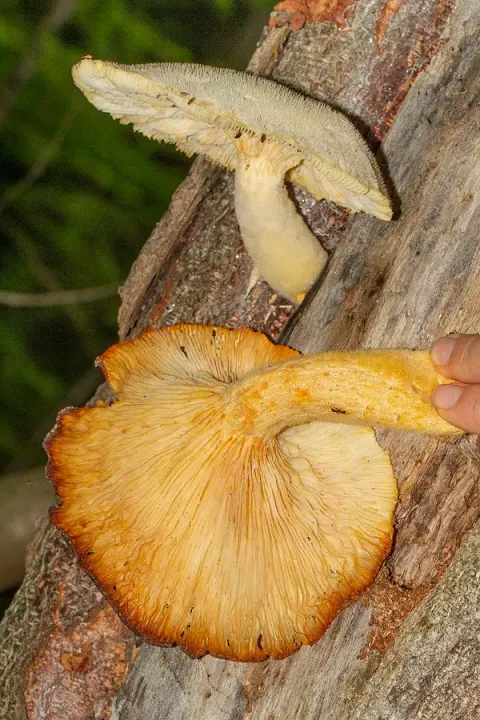
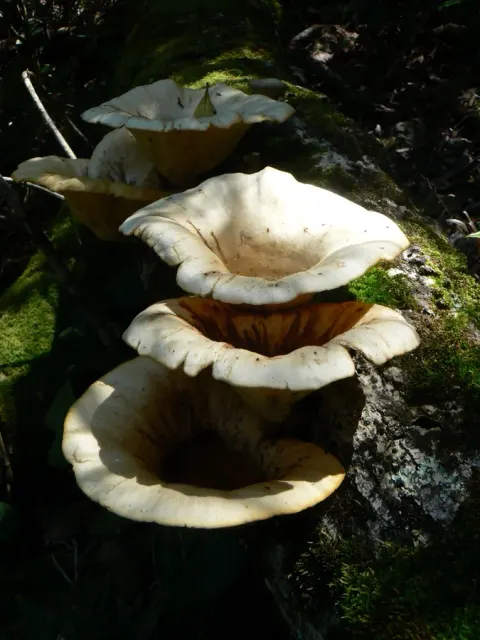
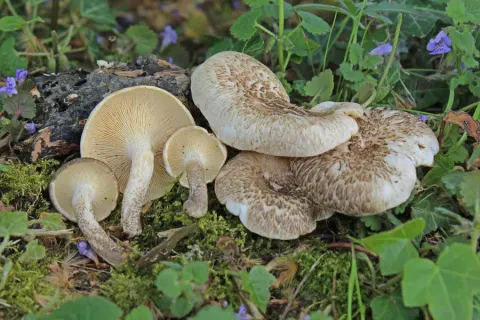
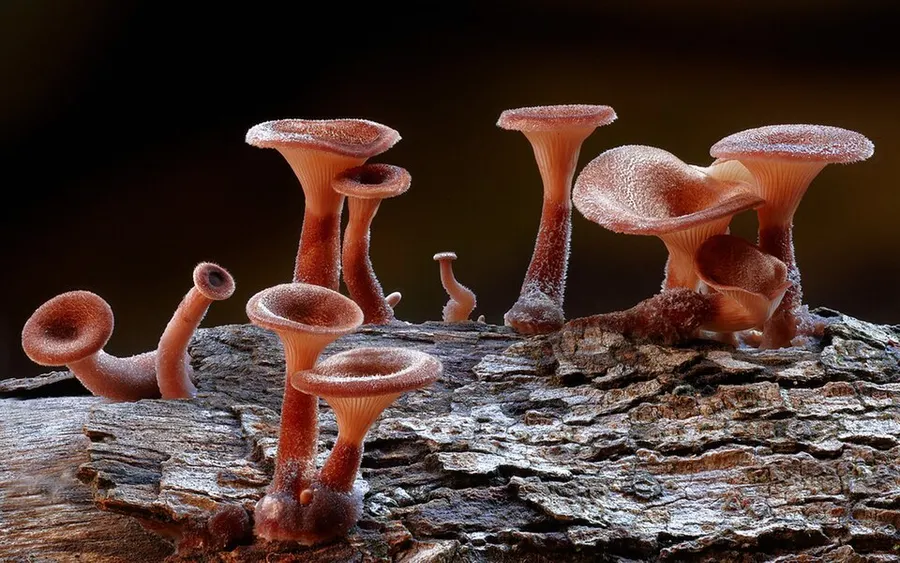
The fungus has a unique shape, with the cap in-rolled when the fungus is young, and then developing a funnel (or infundibuliform) shape over time. It is also known for having pale brown hairs that cover the cap. In dry conditions, the stalk peels like bark but returns to normal following rain. The fungus can have purple gills that turn brown as they mature. The spores have a white print.

Sebagian uraian ditampilkan dalam bahasa sumber; terjemahannya belum tersedia atau belum lolos pemeriksaan.

Rujukan: [1]

Pengukuran mengikuti objek, spesimen atau kultur, dan metode yang disebutkan sumber. Baca uraian asli untuk konteks lengkap.

02 / Kehidupan

Habitat dan peran ekologis

Panus fasciatus is a wood-decaying saprotroph that feeds on rotting logs or small branches. Panus fasciatus is commonly found in drier woodland environments, amongst the grass, and beneath eucalypts, acacias, and casuarinas. It is usually exposed to sunlight most of the day. Panus fasciatus has been recorded in southern and eastern Australia, Africa, Cameroon, Oceania, Papua New Guinea, and New Caledonia, however, much of its distribution is unknown.

Sebagian uraian ditampilkan dalam bahasa sumber; terjemahannya belum tersedia atau belum lolos pemeriksaan.

Rujukan: [1]

Habitat atau konteks temuan
hutan
Substrat
kayu
Peran atau konteks
Pengurai
Temukan hubungan serupa
03 / Siklus hidup

Reproduksi

The fungus has a unique shape, with the cap in-rolled when the fungus is young, and then developing a funnel (or infundibuliform) shape over time. It is also known for having pale brown hairs that cover the cap. In dry conditions, the stalk peels like bark but returns to normal following rain. The fungus can have purple gills that turn brown as they mature. The spores have a white print.

Sebagian uraian ditampilkan dalam bahasa sumber; terjemahannya belum tersedia atau belum lolos pemeriksaan.

Rujukan: [1]

Sinonim menurut acuan taksonomi rilis: Lentinus dealbatus; Lentinus fuscopurpureus; Lentinus holopogonius; Lentinus tigrinus var. holopogonius; Lentinus velutinus f. fuscopurpureus; Lentinus velutinus var. fuscopurpureus; Panus fasciatus; Pocillaria dealbata; Pocillaria fasciata; Pocillaria fuscopurpurea
04 / Batas informasi

Catatan identitas dan cakupan

  • Nama diterima mengikuti Catalogue of Life Base2026-09-11; uraian mempertahankan konsep dan nama sumber aslinya.
  • Original geographic, specimen and life-cycle scope retained; source import awaits individual editorial review.
  • Impor dan terjemahan otomatis belum diperiksa editorial per profil. Struktur reproduktif yang disebutkan tidak membuktikan seluruh siklus hidup diketahui.
  • Pengukuran pada uraian mengikuti spesimen, kultur, dan metode sumber; angka tidak diperluas ke semua populasi.

Catatan distribusi dalam narasi mengikuti sumbernya. Dokumentasi spesimen atau foto mengikuti catatan sumber. Bukti wilayah Indonesia dan penilaian konservasi tidak disimpulkan dari gambar.

05 / Dokumentasi

Melihat dengan konteks

Dokumentasi Panus fasciatus dari Wikimedia Commons. Panus fasciatus, brown Identifikasi mengikuti record berkas sumber.

Jenis
Fotografi
Kredit
Steve Axford
Sumber media
Buka entri sumber

Gambar menunjukkan objek menurut identifikasi sumber, bukan verifikasi independen spesimen oleh Fungi. Tidak ada skala baru yang ditambahkan.

06 / Rujukan

Sumber profil

  1. [1] Panus fasciatus — Wikipedia (en)Bagian sumber: Frozen revision 1360716150
    Tanggal penghimpunan sumber: 2026-10-12
    Teks sumber: CC BY-SA4.0 · Wikipedia contributors
  2. [2] Catalogue of Life Base2026-09-11 — Lentinus fasciatusBagian sumber: ColDP NameUsage.tsv ID 3T5PZ; accepted species; source 2073
    Tanggal penghimpunan sumber: 2026-10-12
  3. [3] Dokumentasi visual — Panus fasciatusBagian sumber: Individual media record; identification follows the source, not independent determination
    Tanggal penghimpunan sumber: 2026-10-12
    Media sumber: CC BY-SA 4.0 · Steve Axford

Adaptasi teks: CC BY-SA 4.0. Wikipedia contributors — Panus fasciatus — Wikipedia (en)

Uraian asli dan riwayat sumber

Riwayat atau halaman sumber

Ringkasan sumber

The fungus has a unique shape, with the cap in-rolled when the fungus is young, and then developing a funnel (or infundibuliform) shape over time. It is also known for having pale brown hairs that cover the cap. In dry conditions, the stalk peels like bark but returns to normal following rain. The fungus can have purple gills that turn brown as they mature. The spores have a white print.

Revisi sumber

Morfologi sumber

The fungus has a unique shape, with the cap in-rolled when the fungus is young, and then developing a funnel (or infundibuliform) shape over time. It is also known for having pale brown hairs that cover the cap. In dry conditions, the stalk peels like bark but returns to normal following rain. The fungus can have purple gills that turn brown as they mature. The spores have a white print.

Revisi sumber

Ekologi sumber

Panus fasciatus is a wood-decaying saprotroph that feeds on rotting logs or small branches. Panus fasciatus is commonly found in drier woodland environments, amongst the grass, and beneath eucalypts, acacias, and casuarinas. It is usually exposed to sunlight most of the day. Panus fasciatus has been recorded in southern and eastern Australia, Africa, Cameroon, Oceania, Papua New Guinea, and New Caledonia, however, much of its distribution is unknown.

Revisi sumber

Struktur reproduksi sumber

The fungus has a unique shape, with the cap in-rolled when the fungus is young, and then developing a funnel (or infundibuliform) shape over time. It is also known for having pale brown hairs that cover the cap. In dry conditions, the stalk peels like bark but returns to normal following rain. The fungus can have purple gills that turn brown as they mature. The spores have a white print.

Revisi sumber

Rujukan halaman ini

Fungi. Lentinus fasciatus. Rilis data fungi-2026-10-12-expansion-2. https://fungi-atlas.mgadib.chatgpt.site/jamur/lentinus-fasciatus/.

Status: impor sumber; pemeriksaan editorial per profil belum selesai. Untuk klaim biologis, gunakan rujukan pada bagian terkait dan periksa konteks sumber aslinya.