Ciri dan struktur
L. gongylophorus is completely dependent on ants for survival with workers feeding it cut plant matter and new queens carrying a piece of mycelium in their infrabuccal pocket (a specialised structure within the mouth) in order to found a new colony. For both its source of nutrition and mechanism of spreading it is reliant on the ants. The species has co-evolved with ants so thoroughly that it can no longer rely upon producing mushrooms to emit spores as a viable survival mechanism as it has lost the ability to produce sexual spores. The mutualistic relationship also includes a third species as Pseudonocardia bacteria coat the exoskeleton of the ants and produce antibiotics which protect the fungal garden from mycoparasitic microfungi like members of the Escovopsis genus. Without this antibiotic production the L. gongylophorus fungi on which the ants rely could be destroyed and take the whole nest with it. Leafcutter ant species may exhibit specially modified exoskeletons better capable of housing beneficial bacteria with which the fungal garden is inoculated as the ants tend to it. A fourth hypothesized beneficial symbiont exists in the form of Phialophora black yeast which grow on the cuticle of the ants and which may fulfill a beneficial saprophytic role. Including the parasitic Escovopsis microfungi or micromycetes this means a leafcutter ant colony may in fact be a symbiotic relationship between five species. The fungal lineage of L. gongylophorus may have been continually propagated for over 23 million years which helps explain why it is now entirely reliant on the ants.
Habitat dan peran ekologis
L. gongylophorus is completely dependent on ants for survival with workers feeding it cut plant matter and new queens carrying a piece of mycelium in their infrabuccal pocket (a specialised structure within the mouth) in order to found a new colony. For both its source of nutrition and mechanism of spreading it is reliant on the ants. The species has co-evolved with ants so thoroughly that it can no longer rely upon producing mushrooms to emit spores as a viable survival mechanism as it has lost the ability to produce sexual spores. The mutualistic relationship also includes a third species as Pseudonocardia bacteria coat the exoskeleton of the ants and produce antibiotics which protect the fungal garden from mycoparasitic microfungi like members of the Escovopsis genus. Without this antibiotic production the L. gongylophorus fungi on which the ants rely could be destroyed and take the whole nest with it. Leafcutter ant species may exhibit specially modified exoskeletons better capable of housing beneficial bacteria with which the fungal garden is inoculated as the ants tend to it. A fourth hypothesized beneficial symbiont exists in the form of Phialophora black yeast which grow on the cuticle of the ants and which may fulfill a beneficial saprophytic role.
- Habitat atau konteks temuan
- Informasi belum tersedia pada sumber rilis ini.
- Substrat
- Informasi belum tersedia pada sumber rilis ini.
- Peran atau konteks
- Belum dikategorikan pada rilis ini.
Reproduksi
L. gongylophorus is completely dependent on ants for survival with workers feeding it cut plant matter and new queens carrying a piece of mycelium in their infrabuccal pocket (a specialised structure within the mouth) in order to found a new colony. For both its source of nutrition and mechanism of spreading it is reliant on the ants. The species has co-evolved with ants so thoroughly that it can no longer rely upon producing mushrooms to emit spores as a viable survival mechanism as it has lost the ability to produce sexual spores. The mutualistic relationship also includes a third species as Pseudonocardia bacteria coat the exoskeleton of the ants and produce antibiotics which protect the fungal garden from mycoparasitic microfungi like members of the Escovopsis genus.
Catatan identitas dan cakupan
- Nama diterima mengikuti Catalogue of Life Base2026-09-11; uraian mempertahankan konsep dan nama sumber aslinya.
- Original geographic, specimen and life-cycle scope retained; source import awaits individual editorial review.
- Impor dan terjemahan otomatis belum diperiksa editorial per profil. Struktur reproduktif yang disebutkan tidak membuktikan seluruh siklus hidup diketahui.
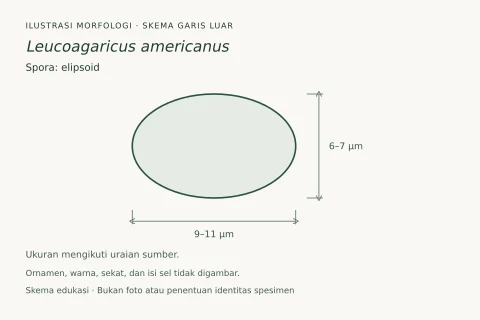
- Pengukuran pada uraian mengikuti spesimen, kultur, dan metode sumber; angka tidak diperluas ke semua populasi.
Catatan distribusi dalam narasi mengikuti sumbernya. Dokumentasi spesimen atau foto mengikuti catatan sumber. Bukti wilayah Indonesia dan penilaian konservasi tidak disimpulkan dari gambar.
Melihat dengan konteks
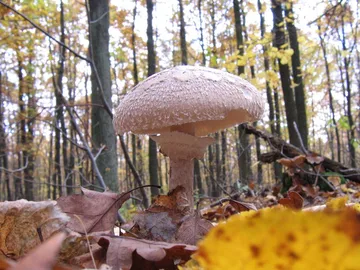
Dokumentasi Leucocoprinus gongylophorus menurut asosiasi foto pada record takson iNaturalist. Kredit: Denis Zabin. Identitas mengikuti sumber; bukan penentuan spesimen independen.
- Jenis
- Fotografi
- Kredit
- (c) Denis Zabin, some rights reserved (CC BY), uploaded by Denis Zabin
- Lisensi
- CC BY 4.0
- Sumber media
- Buka entri sumber
Dokumentasi tambahan
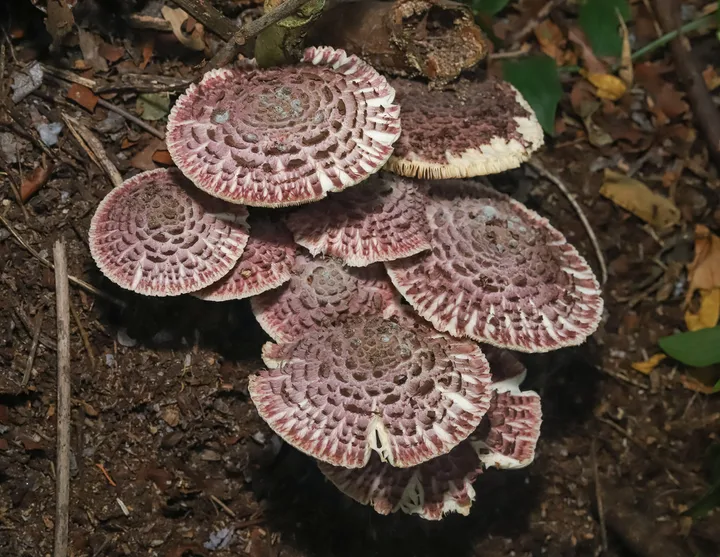
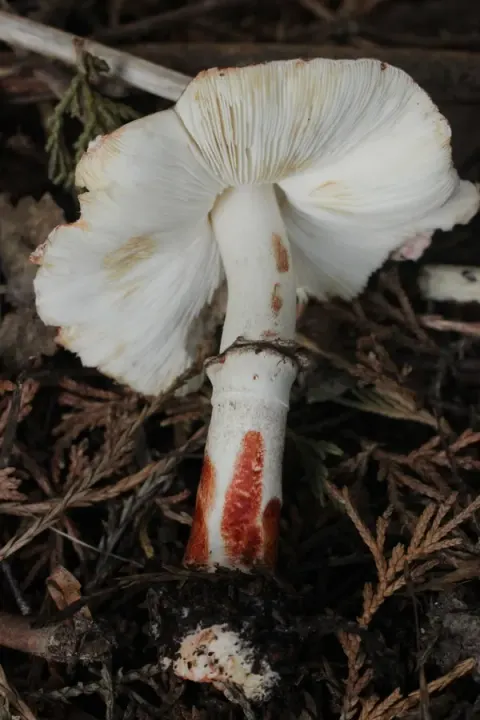
Foto yang diasosiasikan dengan Leucoagaricus gongylophorus pada iNaturalist. Identifikasi mengikuti sumber; bukan penentuan spesimen independen.
Kredit dan penggunaan
(c) Denis Zabin, some rights reserved (CC BY), uploaded by Denis Zabin
Ukuran dan format gambar disesuaikan tanpa pemotongan, retus, atau penambahan skala. Lisensi sumber dipertahankan.
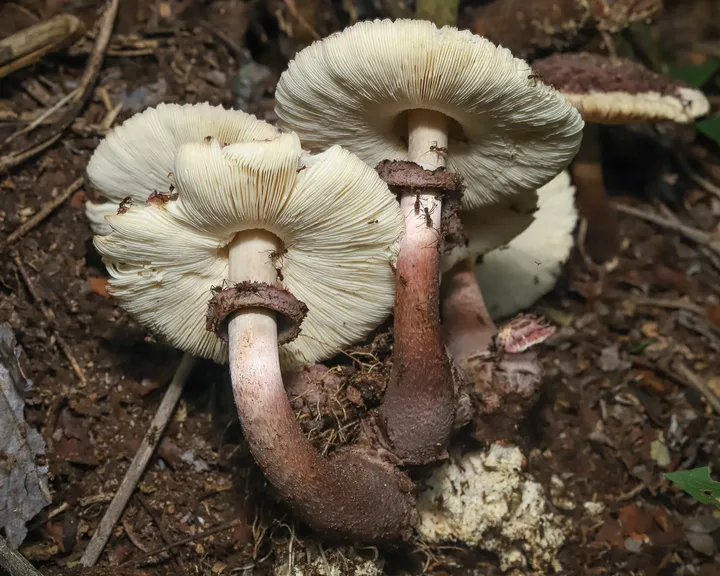
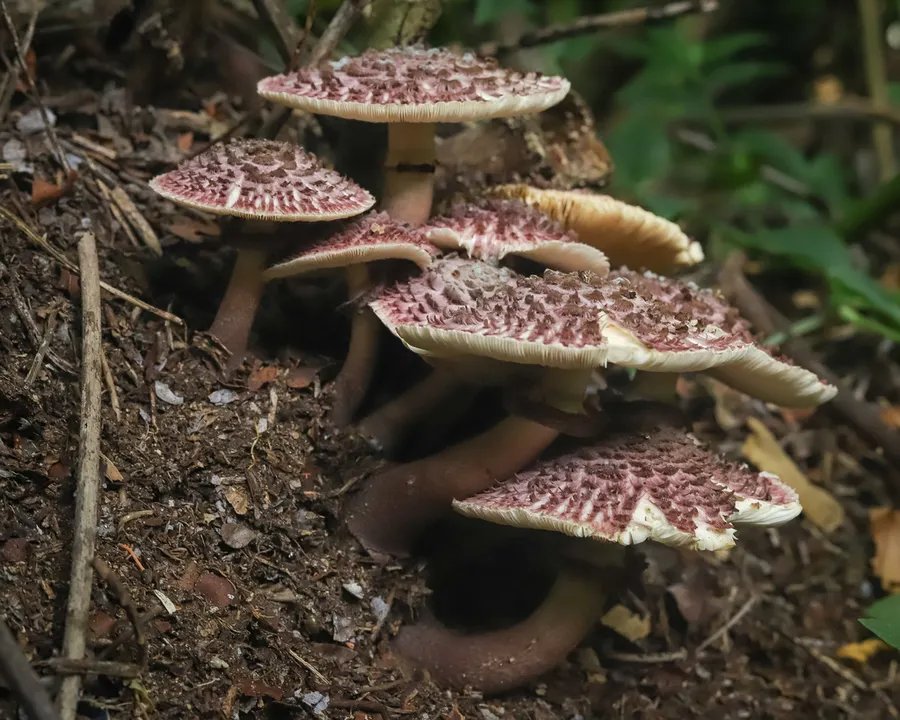
Foto yang diasosiasikan dengan Leucoagaricus gongylophorus pada iNaturalist. Identifikasi mengikuti sumber; bukan penentuan spesimen independen.
Kredit dan penggunaan
(c) Denis Zabin, some rights reserved (CC BY), uploaded by Denis Zabin
Ukuran dan format gambar disesuaikan tanpa pemotongan, retus, atau penambahan skala. Lisensi sumber dipertahankan.
Sumber profil
- [1] Leucocoprinus gongylophorus — Wikipedia (en)
- [2] Catalogue of Life Base2026-09-11 — Leucoagaricus gongylophorus
- [3] Dokumentasi visual — Leucoagaricus gongylophorus
- [4] Dokumentasi visual — Leucoagaricus gongylophorus
- [5] Dokumentasi visual — Leucoagaricus gongylophorus
Rujukan halaman ini
Fungi. Leucoagaricus gongylophorus. Rilis data fungi-2026-10-12-expansion-2. https://fungi-atlas.mgadib.chatgpt.site/jamur/leucoagaricus-gongylophorus/.
Status: impor sumber; pemeriksaan editorial per profil belum selesai. Untuk klaim biologis, gunakan rujukan pada bagian terkait dan periksa konteks sumber aslinya.