01 / Morfologi

Ciri dan struktur

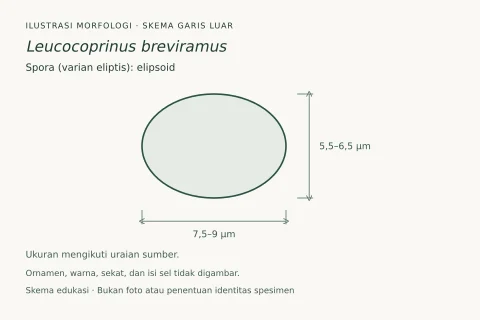
Leucocoprinus brebissonii is a small, delicate mushroom with thin white flesh that is brittle and prone to splitting at the cap edges. Cap: 2-3cm wide and starting hemispherical or bulbous before flattening with age with a small dark brownish umbo which is often quite shallow. The cap surface can be darker and brownish when young but as it opens the brown colouration breaks up and the surface lightens to white with fine brown scales radiating out from the centre and largely absent towards the edges. Distinct, deep striations or grooves spread from the edges of the cap to around halfway up the surface or almost to the disc. Gills: Free, crowded and white. Stem: 3-7cm tall and 3-6mm thick and roughly equal in thickness across its length or tapering slightly to the base, which can be bulbous but may not be as pronounced as in other Leucocoprinus species. The surface is smooth and white but may have a light brownish tint with age. The small, movable stem ring is usually located in the middle or towards the top of the stem however the ring is fragile and often peels away or vanishes. Spore print: White. Spores: Ellipsoid to amygdaloid with a germ pore. Dextrinoid. 8.5-10.5 x 5.5-6.5 μm. Smell: Indistinct. Taste: Indistinct.'

Sebagian uraian ditampilkan dalam bahasa sumber; terjemahannya belum tersedia atau belum lolos pemeriksaan.

Rujukan: [1]

Pengukuran mengikuti objek, spesimen atau kultur, dan metode yang disebutkan sumber. Baca uraian asli untuk konteks lengkap.

02 / Kehidupan

Habitat dan peran ekologis

Leucocoprinus brebissonii ditemukan di Europe and Utara America from musim panas untuk musim gugur, di mana tumbuh di tanah di hutan dengan pohon daun. Di 1874 Godey documented Lepiota brebissoni tumbuh di Cerisy Forest of Calvados region dari France during musim panas. He noted bahwa ia kesepian dan jarang".

Rujukan: [1]

Habitat atau konteks temuan
hutan
Substrat
Informasi belum tersedia pada sumber rilis ini.
Peran atau konteks
Belum dikategorikan pada rilis ini.
Temukan hubungan serupa
03 / Siklus hidup

Reproduksi

Cap: 2-3cm wide and starting hemispherical or bulbous before flattening with age with a small dark brownish umbo which is often quite shallow. The cap surface can be darker and brownish when young but as it opens the brown colouration breaks up and the surface lightens to white with fine brown scales radiating out from the centre and largely absent towards the edges. Distinct, deep striations or grooves spread from the edges of the cap to around halfway up the surface or almost to the disc. Gills: Free, crowded and white. Stem: 3-7cm tall and 3-6mm thick and roughly equal in thickness across its length or tapering slightly to the base, which can be bulbous but may not be as pronounced as in other Leucocoprinus species.

Sebagian uraian ditampilkan dalam bahasa sumber; terjemahannya belum tersedia atau belum lolos pemeriksaan.

Rujukan: [1]

Sinonim menurut acuan taksonomi rilis: Lepiota brebissonii; Lepiota cepistipes var. brebissonii
04 / Batas informasi

Catatan identitas dan cakupan

  • Nama diterima mengikuti Catalogue of Life Base2026-09-11; uraian mempertahankan konsep dan nama sumber aslinya.
  • Original geographic, specimen and life-cycle scope retained; source import awaits individual editorial review.
  • Impor dan terjemahan otomatis belum diperiksa editorial per profil. Struktur reproduktif yang disebutkan tidak membuktikan seluruh siklus hidup diketahui.
  • Pengukuran pada uraian mengikuti spesimen, kultur, dan metode sumber; angka tidak diperluas ke semua populasi.

Catatan distribusi dalam narasi mengikuti sumbernya. Dokumentasi spesimen atau foto mengikuti catatan sumber. Bukti wilayah Indonesia dan penilaian konservasi tidak disimpulkan dari gambar.

05 / Dokumentasi

Melihat dengan konteks

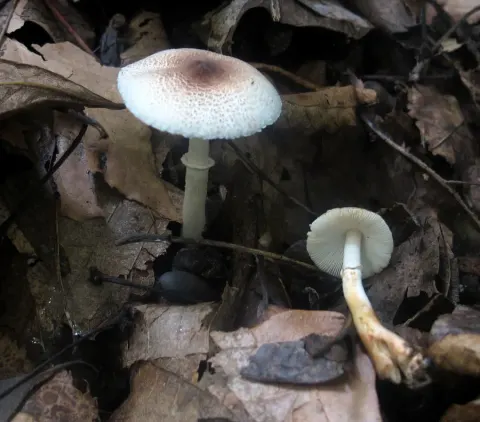
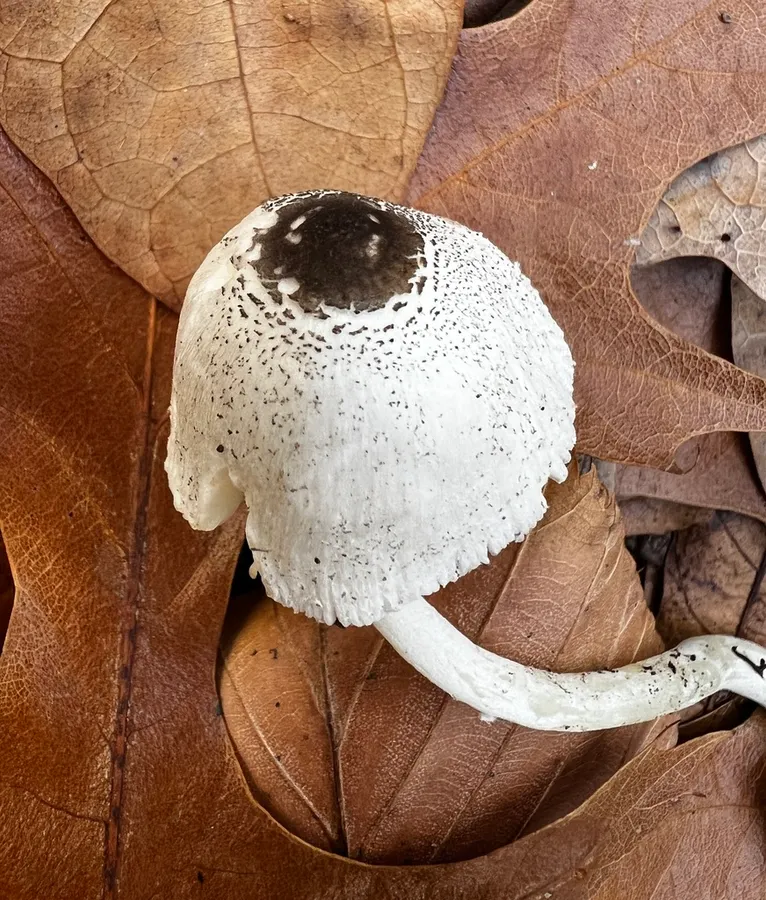
Dokumentasi Leucocoprinus brebissonii menurut asosiasi foto pada record takson iNaturalist. Kredit: Sigrid Jakob. Identitas mengikuti sumber; bukan penentuan spesimen independen.

Jenis
Fotografi
Kredit
teisės nesaugomos, uploaded by Sigrid Jakob
Lisensi
CC0 1.0
Sumber media
Buka entri sumber

Gambar menunjukkan objek menurut identifikasi sumber, bukan verifikasi independen spesimen oleh Fungi. Tidak ada skala baru yang ditambahkan.

06 / Rujukan

Sumber profil

  1. [1] Leucocoprinus brebissonii — Wikipedia (en)Bagian sumber: Frozen revision 1339147111
    Tanggal penghimpunan sumber: 2026-10-12
    Teks sumber: CC BY-SA4.0 · Wikipedia contributors
  2. [2] Catalogue of Life Base2026-09-11 — Leucocoprinus brebissoniiBagian sumber: ColDP NameUsage.tsv ID 6Q56F; accepted species; source 2073
    Tanggal penghimpunan sumber: 2026-10-12
  3. [3] Dokumentasi visual — Leucocoprinus brebissoniiBagian sumber: Individual media record; identification follows the source, not independent determination
    Tanggal penghimpunan sumber: 2026-10-12
    Media sumber: CC0 1.0 · teisės nesaugomos, uploaded by Sigrid Jakob

Adaptasi teks: CC BY-SA 4.0. Wikipedia contributors — Leucocoprinus brebissonii — Wikipedia (en)

Uraian asli dan riwayat sumber

Riwayat atau halaman sumber

Ringkasan sumber

Leucocoprinus brebissonii, commonly known as the gray-eyed dapperling, is a species of mushroom producing fungus in the family Agaricaceae. It is also known as the skullcap dapperling due to its distinctive pattern on the cap. This mushroom was only thought to be found in Europe but it has since been observed in the Pacific Northwest and may also be found in Asia.

Revisi sumber

Morfologi sumber

Leucocoprinus brebissonii is a small, delicate mushroom with thin white flesh that is brittle and prone to splitting at the cap edges. Cap: 2-3cm wide and starting hemispherical or bulbous before flattening with age with a small dark brownish umbo which is often quite shallow. The cap surface can be darker and brownish when young but as it opens the brown colouration breaks up and the surface lightens to white with fine brown scales radiating out from the centre and largely absent towards the edges. Distinct, deep striations or grooves spread from the edges of the cap to around halfway up the surface or almost to the disc. Gills: Free, crowded and white. Stem: 3-7cm tall and 3-6mm thick and roughly equal in thickness across its length or tapering slightly to the base, which can be bulbous but may not be as pronounced as in other Leucocoprinus species. The surface is smooth and white but may have a light brownish tint with age. The small, movable stem ring is usually located in the middle or towards the top of the stem however the ring is fragile and often peels away or vanishes. Spore print: White. Spores: Ellipsoid to amygdaloid with a germ pore. Dextrinoid. 8.5-10.5 x 5.5-6.5 μm. Smell: Indistinct. Taste: Indistinct.'

Revisi sumber

Ekologi sumber

Leucocoprinus brebissonii is found in Europe and North America from summer to fall, where it grows in the soil in woods with deciduous trees. In 1874 Godey documented Lepiota brebissoni growing in the Cerisy Forest of the Calvados region of France during the summer. He noted that it was solitary and rare.'

Revisi sumber

Struktur reproduksi sumber

Cap: 2-3cm wide and starting hemispherical or bulbous before flattening with age with a small dark brownish umbo which is often quite shallow. The cap surface can be darker and brownish when young but as it opens the brown colouration breaks up and the surface lightens to white with fine brown scales radiating out from the centre and largely absent towards the edges. Distinct, deep striations or grooves spread from the edges of the cap to around halfway up the surface or almost to the disc. Gills: Free, crowded and white. Stem: 3-7cm tall and 3-6mm thick and roughly equal in thickness across its length or tapering slightly to the base, which can be bulbous but may not be as pronounced as in other Leucocoprinus species.

Revisi sumber

Rujukan halaman ini

Fungi. Leucocoprinus brebissonii. Rilis data fungi-2026-10-12-expansion-2. https://fungi-atlas.mgadib.chatgpt.site/jamur/leucocoprinus-brebissonii/.

Status: impor sumber; pemeriksaan editorial per profil belum selesai. Untuk klaim biologis, gunakan rujukan pada bagian terkait dan periksa konteks sumber aslinya.