01 / Morfologi

Ciri dan struktur

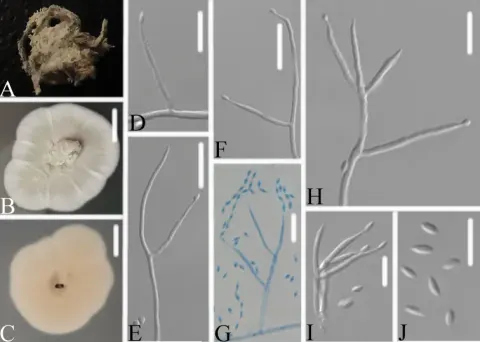
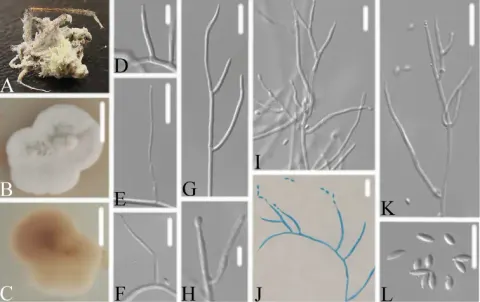
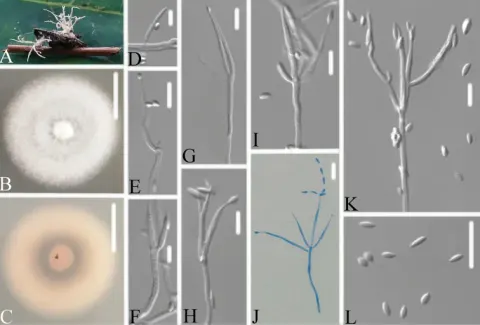
Historically, less than 10 species in the Metarhizium genus were distinguished from each other by morphological traits such as differences in conidial shape, colour, and conidiogenous cells. M. flavoviride was one of these, with conidia (spores) ranging in colour from vibrant green to light grey-green. Conidiogenous cells are 7–11 μm long and clavate, broadly ellipsoid, or ovoid. Conidia are relatively slow to develop. However, recent studies indicate that using morphological characteristics is not an accurate method to distinguish between different Metarhizium species and their respective varieties, and instead, molecular and genetic techniques should be used.

Sebagian uraian ditampilkan dalam bahasa sumber; terjemahannya belum tersedia atau belum lolos pemeriksaan.

Rujukan: [1]

Pengukuran mengikuti objek, spesimen atau kultur, dan metode yang disebutkan sumber. Baca uraian asli untuk konteks lengkap.

02 / Kehidupan

Habitat dan peran ekologis

Metarhizium species dan M. flavoviride telah diisolasi dari berbagai jenis tanah dari semua jenis iklim di semua benua (kecuali Antartika) dan telah ditemukan menginfeksi banyak arthropoda yang berbeda. Some data telah mendukung temuan bahwa habitat yang tidak terganggu dengan vegetasi alami lebih mungkin mendukung jamur entomopathogenik seperti M. flavoviride. Hal ini menarik untuk melanjutkan penelitian mengenai kelimpahan dan kejadian M. flavoviride karena berkaitan dengan penggunaan jamur entomopatogenik sebagai bentuk kontrol biologis. Di Shaanxi province di China, ditemukan bahwa kekayaan Metarhizium species menurun seiring meningkatnya ketinggian.

Rujukan: [1]

Habitat atau konteks temuan
Informasi belum tersedia pada sumber rilis ini.
Substrat
Informasi belum tersedia pada sumber rilis ini.
Peran atau konteks
Belum dikategorikan pada rilis ini.
Temukan hubungan serupa
03 / Siklus hidup

Reproduksi

Historically, less than 10 species in the Metarhizium genus were distinguished from each other by morphological traits such as differences in conidial shape, colour, and conidiogenous cells. M. flavoviride was one of these, with conidia (spores) ranging in colour from vibrant green to light grey-green. Conidiogenous cells are 7–11 μm long and clavate, broadly ellipsoid, or ovoid. Conidia are relatively slow to develop. However, recent studies indicate that using morphological characteristics is not an accurate method to distinguish between different Metarhizium species and their respective varieties, and instead, molecular and genetic techniques should be used.

Sebagian uraian ditampilkan dalam bahasa sumber; terjemahannya belum tersedia atau belum lolos pemeriksaan.

Rujukan: [1]

Sinonim menurut acuan taksonomi rilis: Metarhizium iadini
04 / Batas informasi

Catatan identitas dan cakupan

  • Nama diterima mengikuti Catalogue of Life Base2026-09-11; uraian mempertahankan konsep dan nama sumber aslinya.
  • Original geographic, specimen and life-cycle scope retained; source import awaits individual editorial review.
  • Impor dan terjemahan otomatis belum diperiksa editorial per profil. Struktur reproduktif yang disebutkan tidak membuktikan seluruh siklus hidup diketahui.
  • Pengukuran pada uraian mengikuti spesimen, kultur, dan metode sumber; angka tidak diperluas ke semua populasi.

Catatan distribusi dalam narasi mengikuti sumbernya. Dokumentasi spesimen atau foto mengikuti catatan sumber. Bukti wilayah Indonesia dan penilaian konservasi tidak disimpulkan dari gambar.

05 / Dokumentasi

Melihat dengan konteks

Dokumentasi visual yang memenuhi pemeriksaan subjek dan hak penggunaan belum tersedia. Foto gejala, label, dan gambar yang meragukan tidak dihitung.

06 / Rujukan

Sumber profil

  1. [1] Metarhizium flavoviride — Wikipedia (en)Bagian sumber: Frozen revision 1373159037
    Tanggal penghimpunan sumber: 2026-10-12
    Teks sumber: CC BY-SA4.0 · Wikipedia contributors
  2. [2] Catalogue of Life Base2026-09-11 — Metarhizium flavovirideBagian sumber: ColDP NameUsage.tsv ID 42CWZ; accepted species; source 2073
    Tanggal penghimpunan sumber: 2026-10-12

Adaptasi teks: CC BY-SA 4.0. Wikipedia contributors — Metarhizium flavoviride — Wikipedia (en)

Uraian asli dan riwayat sumber

Riwayat atau halaman sumber

Ringkasan sumber

Historically, less than 10 species in the Metarhizium genus were distinguished from each other by morphological traits such as differences in conidial shape, colour, and conidiogenous cells. M. flavoviride was one of these, with conidia (spores) ranging in colour from vibrant green to light grey-green. Conidiogenous cells are 7–11 μm long and clavate, broadly ellipsoid, or ovoid. Conidia are relatively slow to develop. However, recent studies indicate that using morphological characteristics is not an accurate method to distinguish between different Metarhizium species and their respective varieties, and instead, molecular and genetic techniques should be used.

Revisi sumber

Morfologi sumber

Historically, less than 10 species in the Metarhizium genus were distinguished from each other by morphological traits such as differences in conidial shape, colour, and conidiogenous cells. M. flavoviride was one of these, with conidia (spores) ranging in colour from vibrant green to light grey-green. Conidiogenous cells are 7–11 μm long and clavate, broadly ellipsoid, or ovoid. Conidia are relatively slow to develop. However, recent studies indicate that using morphological characteristics is not an accurate method to distinguish between different Metarhizium species and their respective varieties, and instead, molecular and genetic techniques should be used.

Revisi sumber

Ekologi sumber

Metarhizium species and M. flavoviride have been isolated from multiple soil types from all types of climates across all continents (excluding Antarctica) and have been found to infect many different arthropods. Some data have supported the finding that undisturbed habitats with naturally occurring vegetation are more likely to support entomopathogenic fungi such as M. flavoviride. It is of interest to continue research regarding the abundance and occurrence of M. flavoviride as it concerns using entomopathogenic fungi as a form of biological control. In the Shaanxi province in China, it was found that the richness of Metarhizium species decreased with increasing elevation.

Revisi sumber

Struktur reproduksi sumber

Historically, less than 10 species in the Metarhizium genus were distinguished from each other by morphological traits such as differences in conidial shape, colour, and conidiogenous cells. M. flavoviride was one of these, with conidia (spores) ranging in colour from vibrant green to light grey-green. Conidiogenous cells are 7–11 μm long and clavate, broadly ellipsoid, or ovoid. Conidia are relatively slow to develop. However, recent studies indicate that using morphological characteristics is not an accurate method to distinguish between different Metarhizium species and their respective varieties, and instead, molecular and genetic techniques should be used.

Revisi sumber

Rujukan halaman ini

Fungi. Metarhizium flavoviride. Rilis data fungi-2026-10-12-expansion-2. https://fungi-atlas.mgadib.chatgpt.site/jamur/metarhizium-flavoviride/.

Status: impor sumber; pemeriksaan editorial per profil belum selesai. Untuk klaim biologis, gunakan rujukan pada bagian terkait dan periksa konteks sumber aslinya.