Ciri dan struktur
Three Monilinia species cause brown rot of fruit (Monilinia laxa, Monilinia fructicola, Monilinia fructigena); Monilinia fructigena is found most commonly to cause brown rot in fruits of the Pome family and Rosaceae family. The genus Monilinia could be viewed as divided into two sections, Disjunctoriae and Junctoriae; M. fructigena belongs to Junctoriae. These ‘sections’ are the resulting attempt to further differentiate Monilinia into two separate classifications based on morphology, the specialization of the pathogens’ hosts, and the biological process of infection. Belonging to the section Junctoriae entails possessing no disjunctor cells in between the mature spores contained in the conidial chains. Differentiation in the laboratory of the three main Monilinia species can be quite difficult. In a report by De Cal and Melgarejo, it was demonstrated that the species can be differentiated through altering the light exposure to a long-wave UV light and dark cycle. Monilinia fructigena and Monilinia fructicola can be recognized from Monilinia laxa in this experiment, as M. laxa possesses a noticeably short distance from the conidia to the first germ tube branch. Furthermore, M. fructigena and M. fructicola can be individually distinguishable through measuring the maximum diametric growth rate of the culture. The maximum growth rate of M. fructigena was just 8 mm/2 days, whilst M. fructicola expanded its diameter by 20 mm after two days. Conidia produced by Monilinia fructigena are noted to be dry spores, and are not discharged, but pulled away on currents of wind. The conidiophores are short and unspecialized, and perform as a means to elevate the spore chains above infected tissues to provide better exposure to air currents.
Habitat dan peran ekologis
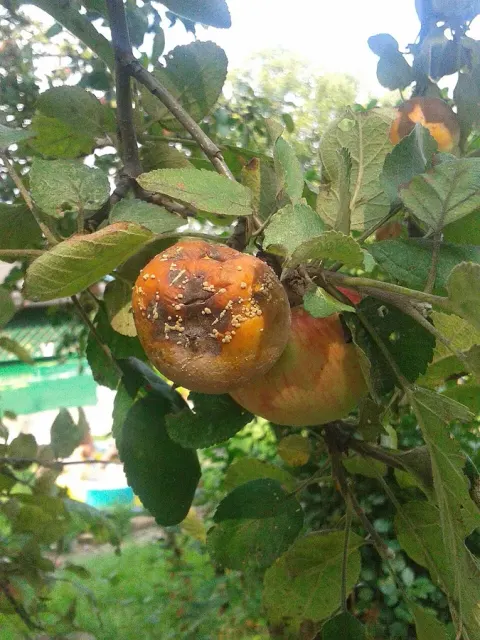
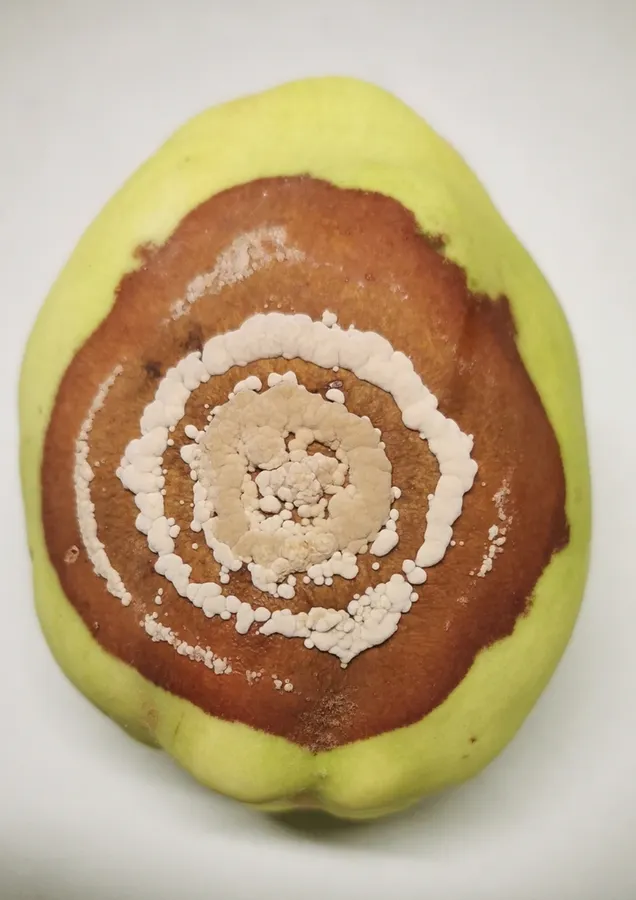
When infection terjadi selama atau segera setelah penyamaran, pertumbuhan patogen tanpa gejala memungkinkan buah untuk matang secara normal. Namun, seiring dengan matangnya buah, bintik-bintik coklat berputar kecil mulai berkembang dan dengan cepat membusuk di permukaan daging; karena banyak kelembaban, pustules konidia berkembang di daerah yang terinfeksi. Pada buah-buahan yang sudah matang, kutu merah menyebar dengan cepat ke seluruh buah sebagai kutu merah dari daging. Di daerah/iklim dengan kelembaban relatif tinggi, tumbuhan konidia muncul di permukaan buah; ketika RH rendah, buah hanya mengering. Fruit rot disebabkan oleh patogen kotoran coklat Monilinia fructigena adalah penyakit terkenal ditemukan di Malus domestica ⁇ pohon apel ⁇ dengan jamur kadang-kadang menyebar dari buah yang terinfeksi ke cabang, menyebabkan kanker. With apple infeksi, gejala yang bervariasi dapat terjadi di dalam buah, menyebabkan apa yang umumnya dikenal sebagai apel hitam. Gejala ini melibatkan perubahan warna kotoran dari coklat menjadi warna hitam yang mendalam. Kulit apel tetap bercahaya dan tidak rusak, dan penyusutan jaringan sebenarnya tidak terjadi sampai kemudian dalam perkembangan, di mana ia sering cepat membusuk dalam penyimpanan. Fruit rot biasanya ditemukan pada apel, pir, dan prun, tetapi jarang ditemukan dalam persik, nektarin, atau aprikot.
- Habitat atau konteks temuan
- Informasi belum tersedia pada sumber rilis ini.
- Substrat
- Informasi belum tersedia pada sumber rilis ini.
- Peran atau konteks
- Belum dikategorikan pada rilis ini.
Reproduksi
Three Monilinia species cause brown rot of fruit (Monilinia laxa, Monilinia fructicola, Monilinia fructigena); Monilinia fructigena is found most commonly to cause brown rot in fruits of the Pome family and Rosaceae family. The genus Monilinia could be viewed as divided into two sections, Disjunctoriae and Junctoriae; M. fructigena belongs to Junctoriae. These ‘sections’ are the resulting attempt to further differentiate Monilinia into two separate classifications based on morphology, the specialization of the pathogens’ hosts, and the biological process of infection. Belonging to the section Junctoriae entails possessing no disjunctor cells in between the mature spores contained in the conidial chains.
Catatan identitas dan cakupan
- Nama diterima mengikuti Catalogue of Life Base2026-09-11; uraian mempertahankan konsep dan nama sumber aslinya.
- Original geographic, specimen and life-cycle scope retained; source import awaits individual editorial review.
- Impor dan terjemahan otomatis belum diperiksa editorial per profil. Struktur reproduktif yang disebutkan tidak membuktikan seluruh siklus hidup diketahui.
- Pengukuran pada uraian mengikuti spesimen, kultur, dan metode sumber; angka tidak diperluas ke semua populasi.
Catatan distribusi dalam narasi mengikuti sumbernya. Dokumentasi spesimen atau foto mengikuti catatan sumber. Bukti wilayah Indonesia dan penilaian konservasi tidak disimpulkan dari gambar.
Melihat dengan konteks
Dokumentasi Monilinia fructigena menurut asosiasi foto pada record takson iNaturalist. Kredit: Martin Hünlich. Identitas mengikuti sumber; bukan penentuan spesimen independen.
- Jenis
- Fotografi
- Kredit
- (c) Martin Hünlich, some rights reserved (CC BY-SA), uploaded by Martin Hünlich
- Lisensi
- CC BY-SA 4.0
- Sumber media
- Buka entri sumber
Dokumentasi tambahan
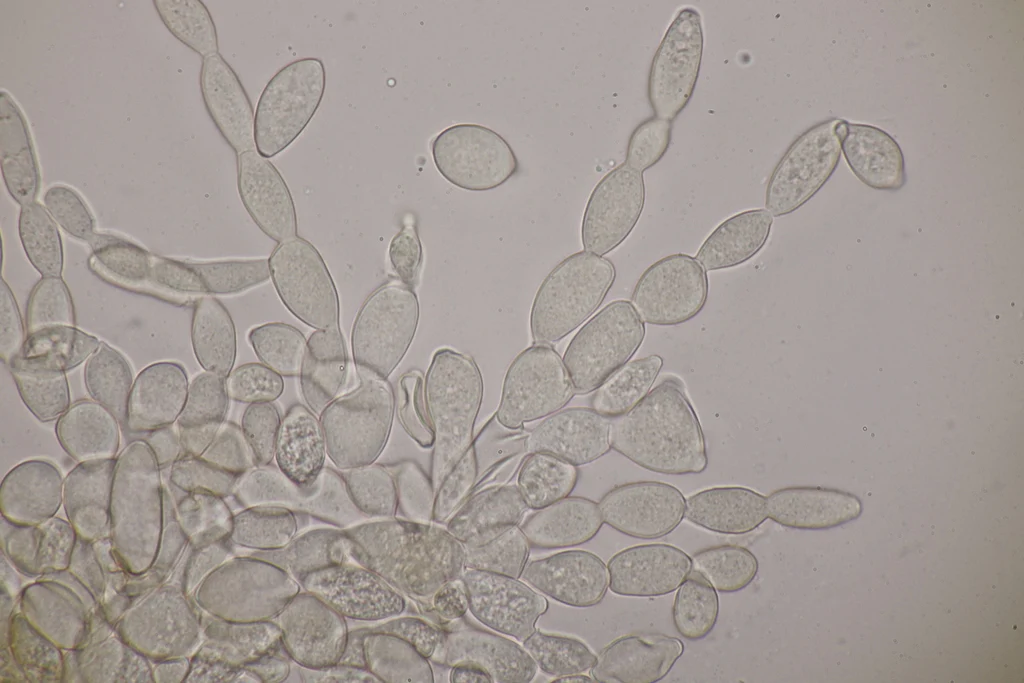
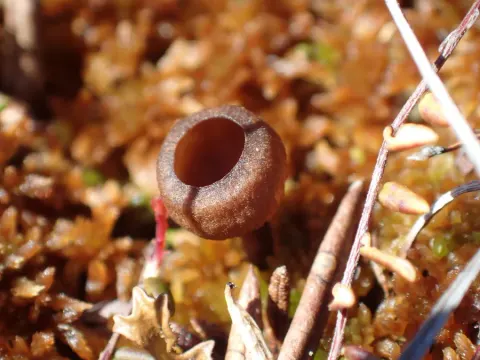
Preparat mikroskopis yang diasosiasikan dengan Monilinia fructigena pada iNaturalist. Identitas mengikuti sumber.
Kredit dan penggunaan
(c) Björn Sothmann, some rights reserved (CC BY-SA), uploaded by Björn Sothmann
Ukuran dan format gambar disesuaikan tanpa pemotongan, retus, atau penambahan skala. Lisensi sumber dipertahankan.
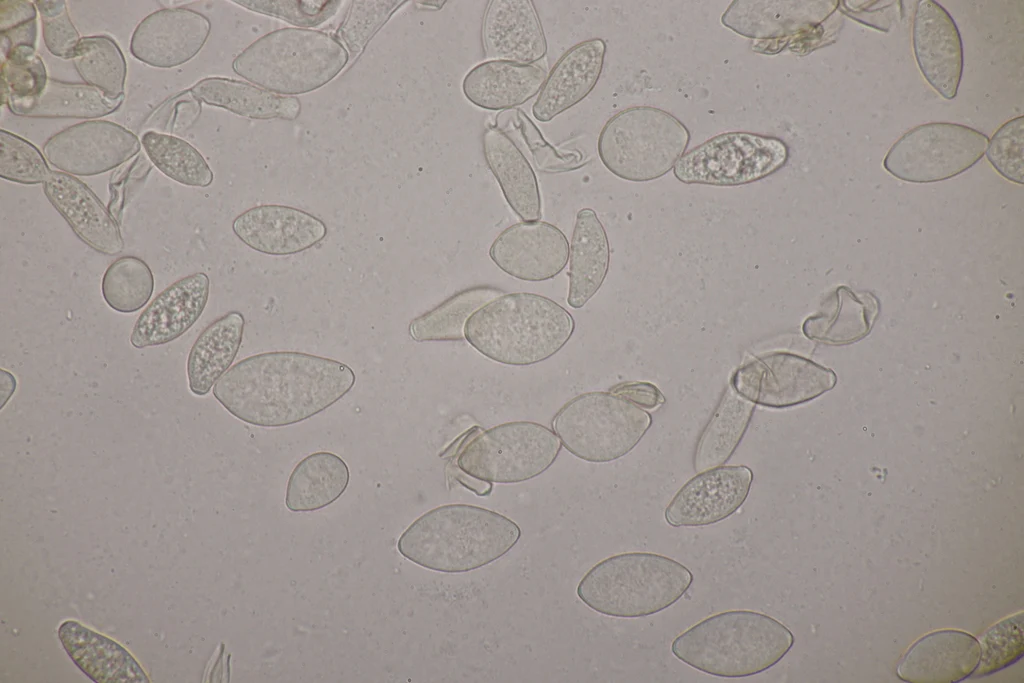
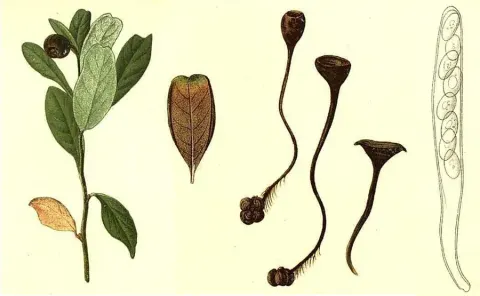
Preparat mikroskopis yang diasosiasikan dengan Monilinia fructigena pada iNaturalist. Identitas mengikuti sumber.
Kredit dan penggunaan
(c) Björn Sothmann, some rights reserved (CC BY-SA), uploaded by Björn Sothmann
Ukuran dan format gambar disesuaikan tanpa pemotongan, retus, atau penambahan skala. Lisensi sumber dipertahankan.
Sumber profil
- [1] Monilinia fructigena — Wikipedia (en)
- [2] Catalogue of Life Base2026-09-11 — Monilinia fructigena
- [3] Dokumentasi visual — Monilinia fructigena
- [4] Dokumentasi visual — Monilinia fructigena
- [5] Dokumentasi visual — Monilinia fructigena
Rujukan halaman ini
Fungi. Monilinia fructigena. Rilis data fungi-2026-10-12-expansion-2. https://fungi-atlas.mgadib.chatgpt.site/jamur/monilinia-fructigena/.
Status: impor sumber; pemeriksaan editorial per profil belum selesai. Untuk klaim biologis, gunakan rujukan pada bagian terkait dan periksa konteks sumber aslinya.