Ciri dan struktur
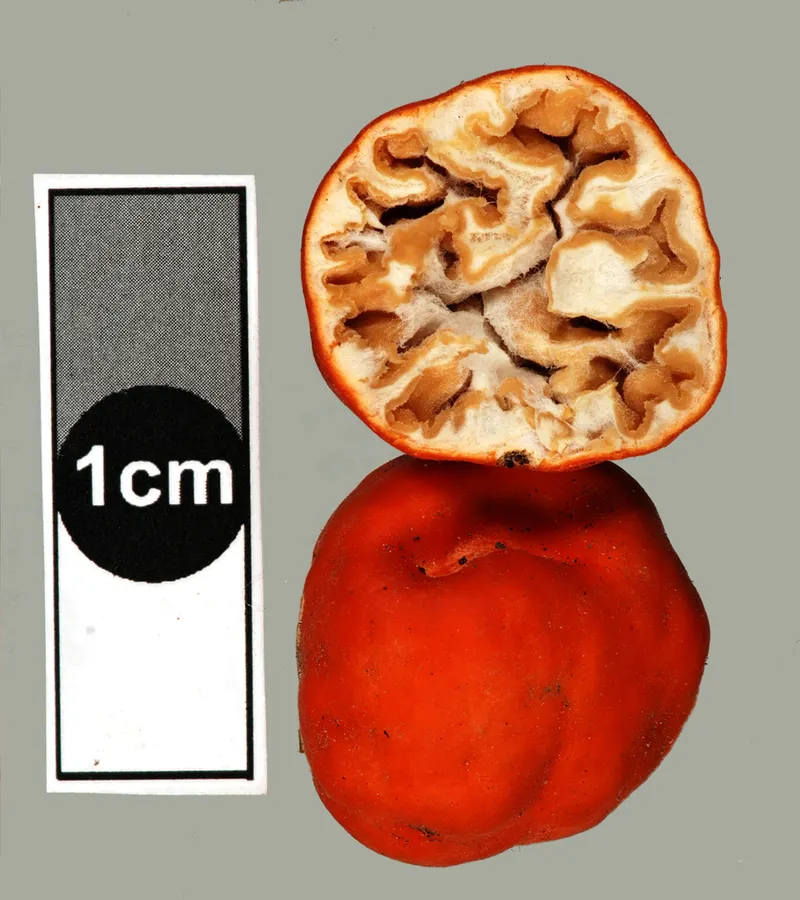
This truffle-like fungus produces a spherical to tuber-shaped fruit body (ascoma) with a smooth surface, which can be lobed or wrinkled. Paurocotylis pila's fruiting body is ball shaped, with a thin, matte red-orange outer rind and has no stalk. Often the rind is creased, but occasionally is smooth. Varying in size, it ranges from 10-30mm across, and is found half buried in soil, or under leaf litter. The fruit body is made of yellow-brown tissue, with multiple hollow chambers. Inside the chambers, the asci break up to leave round, cream or yellow ascospores. Once collected and dried, the rind's colour changes to a dull red-brown. P. pila fruit bodies usually range from 10–40 mm in diameter, although some in the UK are up to 60 mm. The fruit body does not have a stipe. There is no odour noted and it is regarded as non-edible.
Habitat dan peran ekologis
DNA barcode (internal transcribed spacer) sequences in the National Center for Biotechnology Information database indicate a distribution in New Zealand, Australia and the United Kingdom. This species is native to New Zealand, however, it has been introduced to England. In England, it has spread to Nottingham, Yorkshire, Sheffield, and more. Paurocotylis pila is also native to Tasmania, and has been found in Australia. Paurocotylis pila is found all across New Zealand; often appearing in forests under podocarp trees such as totara. However, it also occurs in gardens, forest tracks, and parks. This species is found in leaf litter and soil in forests, parks and gardens. Paurocotylis pila prefers disturbed forests, and is often found in soil near tracks. In England, it has been found fruiting in garden soil. Experts have suggested that some members of this genus and related genera of fungi may change between being saprobic and endophytic throughout its life. This is unlikely for this species since it is found under various tree species.
- Habitat atau konteks temuan
- hutan
- Substrat
- tanah
- Peran atau konteks
- Belum dikategorikan pada rilis ini.
Reproduksi
This truffle-like fungus produces a spherical to tuber-shaped fruit body (ascoma) with a smooth surface, which can be lobed or wrinkled. Paurocotylis pila's fruiting body is ball shaped, with a thin, matte red-orange outer rind and has no stalk. Often the rind is creased, but occasionally is smooth. Varying in size, it ranges from 10-30mm across, and is found half buried in soil, or under leaf litter. The fruit body is made of yellow-brown tissue, with multiple hollow chambers. Inside the chambers, the asci break up to leave round, cream or yellow ascospores. Once collected and dried, the rind's colour changes to a dull red-brown. P. pila fruit bodies usually range from 10–40 mm in diameter, although some in the UK are up to 60 mm.
Catatan identitas dan cakupan
- Nama diterima mengikuti Catalogue of Life Base2026-09-11; uraian mempertahankan konsep dan nama sumber aslinya.
- Original geographic, specimen and life-cycle scope retained; source import awaits individual editorial review.
- Impor dan terjemahan otomatis belum diperiksa editorial per profil. Struktur reproduktif yang disebutkan tidak membuktikan seluruh siklus hidup diketahui.
- Pengukuran pada uraian mengikuti spesimen, kultur, dan metode sumber; angka tidak diperluas ke semua populasi.
Catatan distribusi dalam narasi mengikuti sumbernya. Dokumentasi spesimen atau foto mengikuti catatan sumber. Bukti wilayah Indonesia dan penilaian konservasi tidak disimpulkan dari gambar.
Melihat dengan konteks
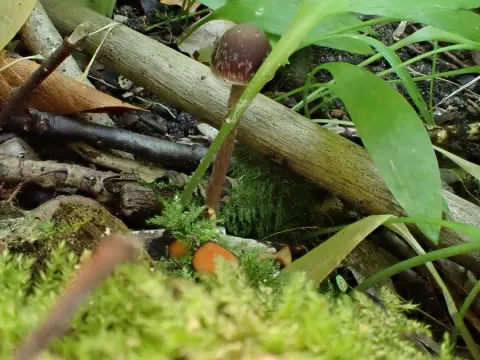
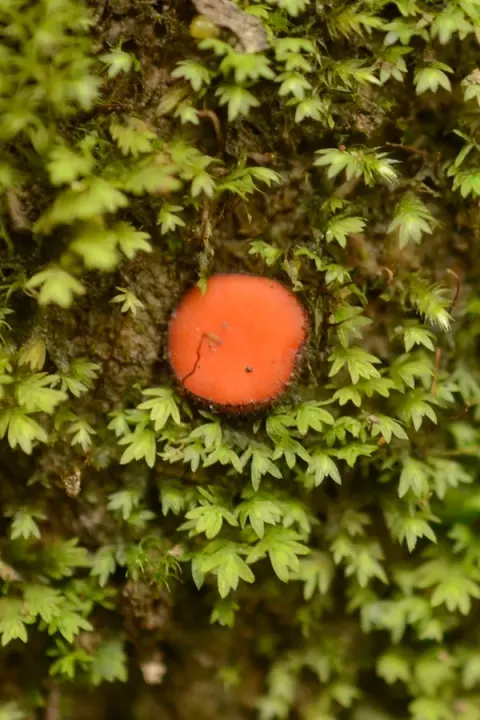
Dokumentasi Paurocotylis pila menurut asosiasi foto pada record takson iNaturalist. Kredit: Jerry Cooper. Identitas mengikuti sumber; bukan penentuan spesimen independen.
- Jenis
- Fotografi
- Kredit
- (c) Jerry Cooper, some rights reserved (CC BY), uploaded by Jerry Cooper
- Lisensi
- CC BY 4.0
- Sumber media
- Buka entri sumber
Dokumentasi tambahan
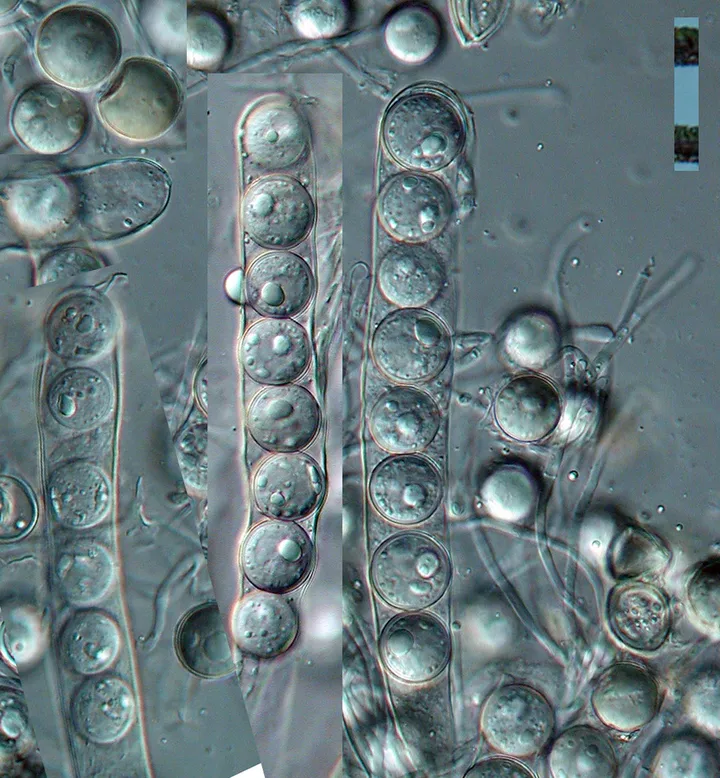
Foto yang diasosiasikan dengan Paurocotylis pila pada iNaturalist. Identifikasi mengikuti sumber; bukan penentuan spesimen independen.
Kredit dan penggunaan
(c) Jerry Cooper, some rights reserved (CC BY), uploaded by Jerry Cooper
Ukuran dan format gambar disesuaikan tanpa pemotongan, retus, atau penambahan skala. Lisensi sumber dipertahankan.
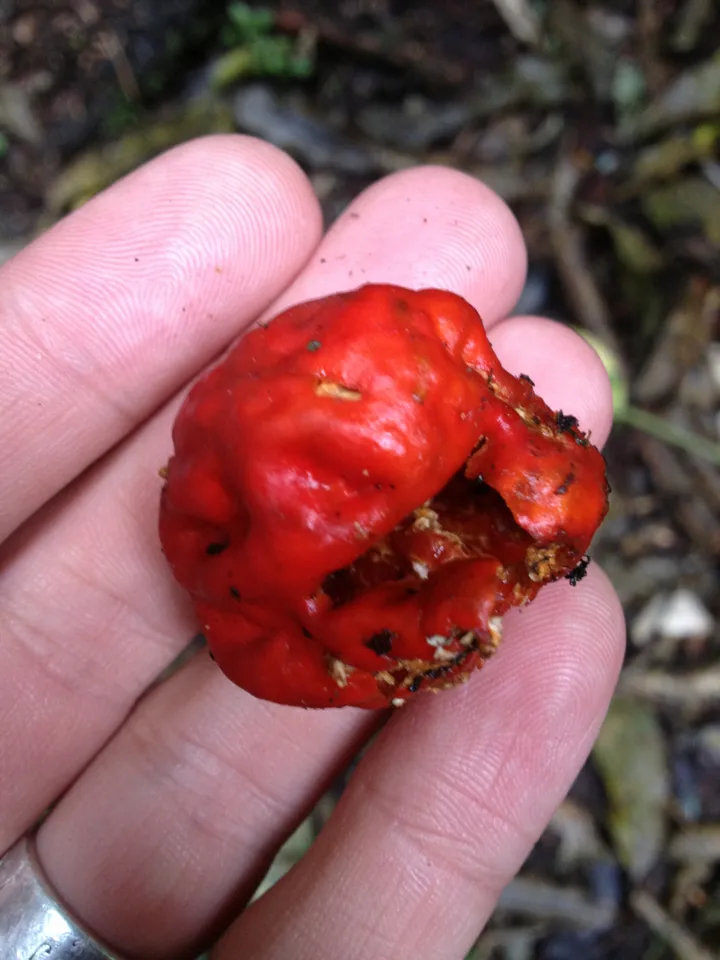
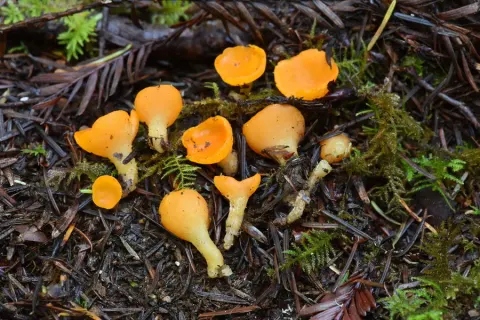
Foto yang diasosiasikan dengan Paurocotylis pila pada iNaturalist. Identifikasi mengikuti sumber; bukan penentuan spesimen independen.
Kredit dan penggunaan
(c) Jon Sullivan, some rights reserved (CC BY), uploaded by Jon Sullivan
Ukuran dan format gambar disesuaikan tanpa pemotongan, retus, atau penambahan skala. Lisensi sumber dipertahankan.
Sumber profil
- [1] Paurocotylis pila — Wikipedia (en)
- [2] Catalogue of Life Base2026-09-11 — Paurocotylis pila
- [3] Dokumentasi visual — Paurocotylis pila
- [4] Dokumentasi visual — Paurocotylis pila
- [5] Dokumentasi visual — Paurocotylis pila
Rujukan halaman ini
Fungi. Paurocotylis pila. Rilis data fungi-2026-10-12-expansion-2. https://fungi-atlas.mgadib.chatgpt.site/jamur/paurocotylis-pila/.
Status: impor sumber; pemeriksaan editorial per profil belum selesai. Untuk klaim biologis, gunakan rujukan pada bagian terkait dan periksa konteks sumber aslinya.