01 / Morfologi

Ciri dan struktur

In nature, P. digitatum adopts a filamentous vegetative growth form, producing narrow, septate hyphae. The hyphal cells are haploid, although individual hyphal compartments may contain many genetically identical nuclei. During the reproductive stages of its life cycle, P. digitatum reproduces asexually via the production of asexual spores or conidia. Conidia are borne on a stalk called a conidiophore that can emerge either from a piece of aerial hyphae, or from a soil-embedded network of hyphae. The conidiophore is usually an asymmetrical, delicate structure with smooth, thin walls. Sizes can range from 70–150 μm in length. During development, the conidiophore can branch into three rami to produce a terverticillate structure, although biverticillate and other irregular structures are often observed. At the end of each rami, another set of branches called metulae are found. The number of metulae varies from 15–30, with their sizes ranging from 4–6 μm. At the distal end of each metula, conidium-bearing structures called phialides form. Phialides can range in shape from flask-shaped to cylindrical, and can be 10–20 μm long. The conidia produced, in turn, are smooth, with a shape that can range from spherical to cylindrical, although an oval shape is frequently seen. They are 6–15 μm long and are produced in chains, with the youngest at the base of each chain. Each conidium is haploid and bears only one nucleus. Sexual reproduction in P. digitatum has not been observed. Penicillium digitatum can also grow on a variety of laboratory media. On Czapek Yeast Extract Agar medium at 25 °C, white colonies grow in a plane, attaining a velvety to deeply floccose texture, with colony sizes that are 33–35 mm in diameter.

Sebagian uraian ditampilkan dalam bahasa sumber; terjemahannya belum tersedia atau belum lolos pemeriksaan.

Rujukan: [1]

Pengukuran mengikuti objek, spesimen atau kultur, dan metode yang disebutkan sumber. Baca uraian asli untuk konteks lengkap.

02 / Kehidupan

Habitat dan peran ekologis

Penicillium digitatum is found in the soil of areas cultivating citrus fruit, predominating in high temperature regions. In nature, it is often found alongside the fruits it infects, making species within the genus Citrus its main ecosystem. It is only within these species that P. digitatum can complete its life cycle as a necrotroph. However, P. digitatum has also been isolated from other food sources. These include hazelnuts, pistachio nuts, kola nuts, black olives, rice, maize, and meats. Low levels have also been noted in Southeast Asian peanuts, soybeans, and sorghum.

Sebagian uraian ditampilkan dalam bahasa sumber; terjemahannya belum tersedia atau belum lolos pemeriksaan.

Rujukan: [1]

Habitat atau konteks temuan
Informasi belum tersedia pada sumber rilis ini.
Substrat
Informasi belum tersedia pada sumber rilis ini.
Peran atau konteks
Belum dikategorikan pada rilis ini.
Temukan hubungan serupa
03 / Siklus hidup

Reproduksi

In nature, P. digitatum adopts a filamentous vegetative growth form, producing narrow, septate hyphae. The hyphal cells are haploid, although individual hyphal compartments may contain many genetically identical nuclei. During the reproductive stages of its life cycle, P. digitatum reproduces asexually via the production of asexual spores or conidia. Conidia are borne on a stalk called a conidiophore that can emerge either from a piece of aerial hyphae, or from a soil-embedded network of hyphae. The conidiophore is usually an asymmetrical, delicate structure with smooth, thin walls. Sizes can range from 70–150 μm in length. During development, the conidiophore can branch into three rami to produce a terverticillate structure, although biverticillate and other irregular structures are often observed.

Sebagian uraian ditampilkan dalam bahasa sumber; terjemahannya belum tersedia atau belum lolos pemeriksaan.

Rujukan: [1]

Sinonim menurut acuan taksonomi rilis: Aspergillus simplex; Monilia digitata; Mucor cespitosus; Penicillium digitatum var. californicum
04 / Batas informasi

Catatan identitas dan cakupan

  • Nama diterima mengikuti Catalogue of Life Base2026-09-11; uraian mempertahankan konsep dan nama sumber aslinya.
  • Original geographic, specimen and life-cycle scope retained; source import awaits individual editorial review.
  • Impor dan terjemahan otomatis belum diperiksa editorial per profil. Struktur reproduktif yang disebutkan tidak membuktikan seluruh siklus hidup diketahui.
  • Pengukuran pada uraian mengikuti spesimen, kultur, dan metode sumber; angka tidak diperluas ke semua populasi.

Catatan distribusi dalam narasi mengikuti sumbernya. Dokumentasi spesimen atau foto mengikuti catatan sumber. Bukti wilayah Indonesia dan penilaian konservasi tidak disimpulkan dari gambar.

05 / Dokumentasi

Melihat dengan konteks

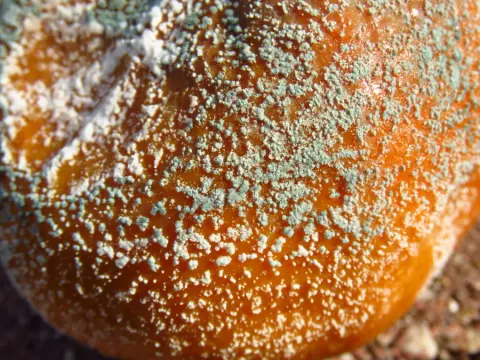
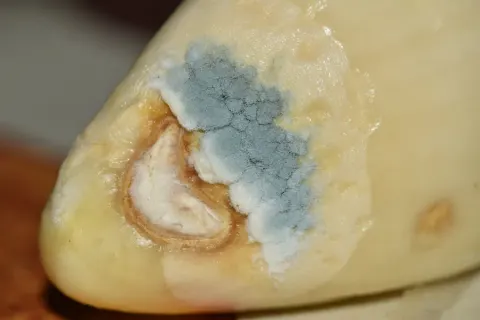
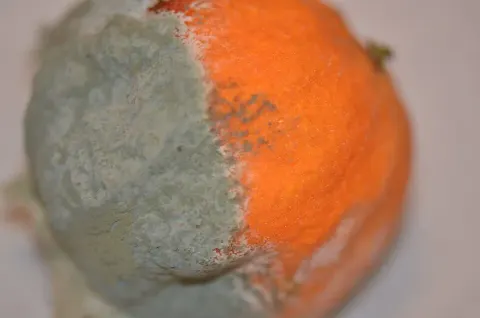
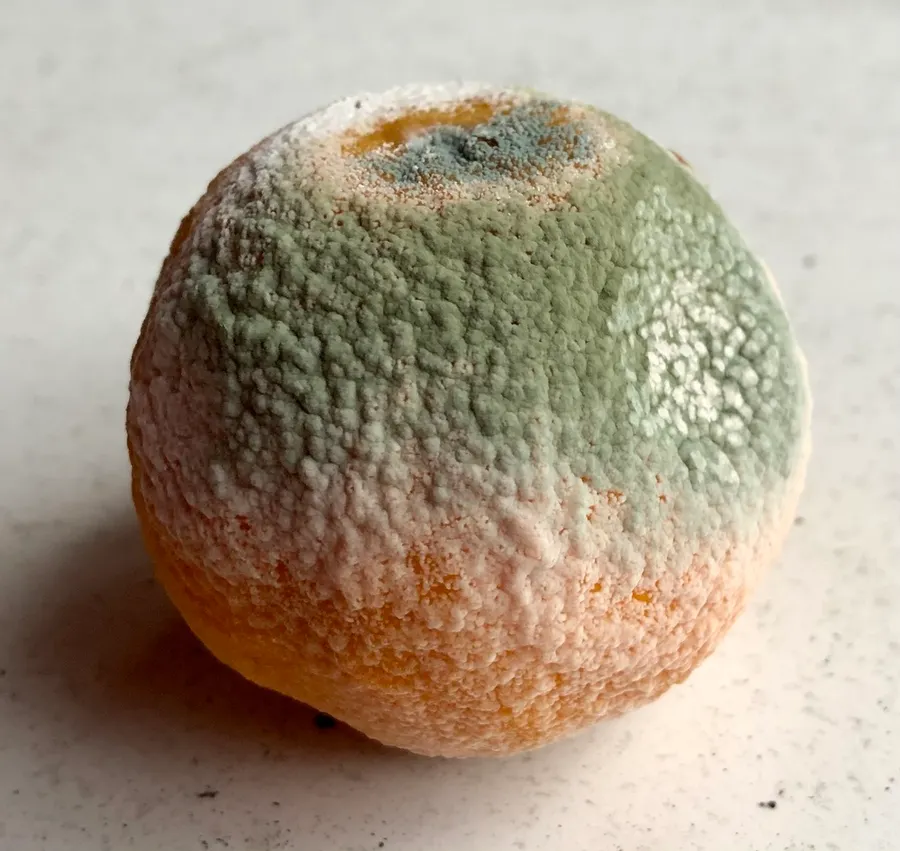
Dokumentasi Penicillium digitatum menurut asosiasi foto pada record takson iNaturalist. Kredit: Keith Seifert. Identitas mengikuti sumber; bukan penentuan spesimen independen.

Jenis
Fotografi
Kredit
(c) Keith Seifert, some rights reserved (CC BY-SA), uploaded by Keith Seifert
Sumber media
Buka entri sumber

Gambar menunjukkan objek menurut identifikasi sumber, bukan verifikasi independen spesimen oleh Fungi. Tidak ada skala baru yang ditambahkan.

06 / Rujukan

Sumber profil

  1. [1] Penicillium digitatum — Wikipedia (en)Bagian sumber: Frozen revision 1346838789
    Tanggal penghimpunan sumber: 2026-10-12
    Teks sumber: CC BY-SA4.0 · Wikipedia contributors
  2. [2] Catalogue of Life Base2026-09-11 — Penicillium digitatumBagian sumber: ColDP NameUsage.tsv ID 76HW7; accepted species; source 2073
    Tanggal penghimpunan sumber: 2026-10-12
  3. [3] Dokumentasi visual — Penicillium digitatumBagian sumber: Individual media record; identification follows the source, not independent determination
    Tanggal penghimpunan sumber: 2026-10-12
    Media sumber: CC BY-SA 4.0 · (c) Keith Seifert, some rights reserved (CC BY-SA), uploaded by Keith Seifert

Adaptasi teks: CC BY-SA 4.0. Wikipedia contributors — Penicillium digitatum — Wikipedia (en)

Uraian asli dan riwayat sumber

Riwayat atau halaman sumber

Ringkasan sumber

Penicillium digitatum () is a mesophilic fungus found in the soil of citrus-producing areas. It is a major source of post-harvest decay in fruits, and is responsible for the widespread post-harvest disease in Citrus fruit known as green rot or green mould. In nature, this necrotrophic wound pathogen grows in filaments and reproduces asexually through the production of conidiophores and conidia. P. digitatum can also be cultivated in the laboratory setting. Alongside its pathogenic life cycle, P. digitatum is also involved in other human, animal, and plant interactions, and is currently being used in the production of immunologically based mycological detection assays for the food industry.

Revisi sumber

Morfologi sumber

In nature, P. digitatum adopts a filamentous vegetative growth form, producing narrow, septate hyphae. The hyphal cells are haploid, although individual hyphal compartments may contain many genetically identical nuclei. During the reproductive stages of its life cycle, P. digitatum reproduces asexually via the production of asexual spores or conidia. Conidia are borne on a stalk called a conidiophore that can emerge either from a piece of aerial hyphae, or from a soil-embedded network of hyphae. The conidiophore is usually an asymmetrical, delicate structure with smooth, thin walls. Sizes can range from 70–150 μm in length. During development, the conidiophore can branch into three rami to produce a terverticillate structure, although biverticillate and other irregular structures are often observed. At the end of each rami, another set of branches called metulae are found. The number of metulae varies from 15–30, with their sizes ranging from 4–6 μm. At the distal end of each metula, conidium-bearing structures called phialides form. Phialides can range in shape from flask-shaped to cylindrical, and can be 10–20 μm long. The conidia produced, in turn, are smooth, with a shape that can range from spherical to cylindrical, although an oval shape is frequently seen. They are 6–15 μm long and are produced in chains, with the youngest at the base of each chain. Each conidium is haploid and bears only one nucleus. Sexual reproduction in P. digitatum has not been observed. Penicillium digitatum can also grow on a variety of laboratory media. On Czapek Yeast Extract Agar medium at 25 °C, white colonies grow in a plane, attaining a velvety to deeply floccose texture, with colony sizes that are 33–35 mm in diameter.

Revisi sumber

Ekologi sumber

Penicillium digitatum is found in the soil of areas cultivating citrus fruit, predominating in high temperature regions. In nature, it is often found alongside the fruits it infects, making species within the genus Citrus its main ecosystem. It is only within these species that P. digitatum can complete its life cycle as a necrotroph. However, P. digitatum has also been isolated from other food sources. These include hazelnuts, pistachio nuts, kola nuts, black olives, rice, maize, and meats. Low levels have also been noted in Southeast Asian peanuts, soybeans, and sorghum.

Revisi sumber

Struktur reproduksi sumber

In nature, P. digitatum adopts a filamentous vegetative growth form, producing narrow, septate hyphae. The hyphal cells are haploid, although individual hyphal compartments may contain many genetically identical nuclei. During the reproductive stages of its life cycle, P. digitatum reproduces asexually via the production of asexual spores or conidia. Conidia are borne on a stalk called a conidiophore that can emerge either from a piece of aerial hyphae, or from a soil-embedded network of hyphae. The conidiophore is usually an asymmetrical, delicate structure with smooth, thin walls. Sizes can range from 70–150 μm in length. During development, the conidiophore can branch into three rami to produce a terverticillate structure, although biverticillate and other irregular structures are often observed.

Revisi sumber

Rujukan halaman ini

Fungi. Penicillium digitatum. Rilis data fungi-2026-10-12-expansion-2. https://fungi-atlas.mgadib.chatgpt.site/jamur/penicillium-digitatum/.

Status: impor sumber; pemeriksaan editorial per profil belum selesai. Untuk klaim biologis, gunakan rujukan pada bagian terkait dan periksa konteks sumber aslinya.