Ciri dan struktur
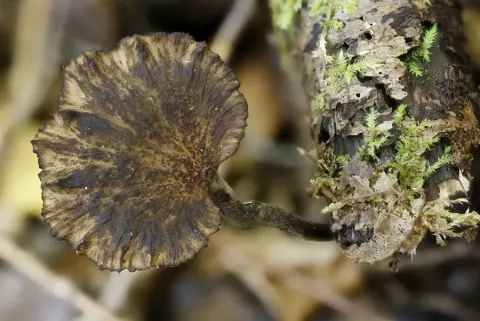
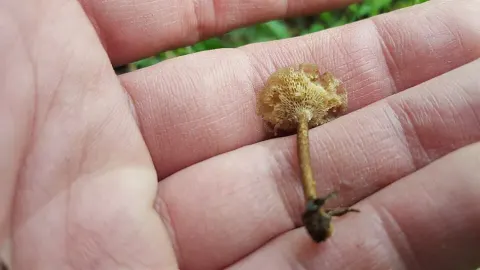
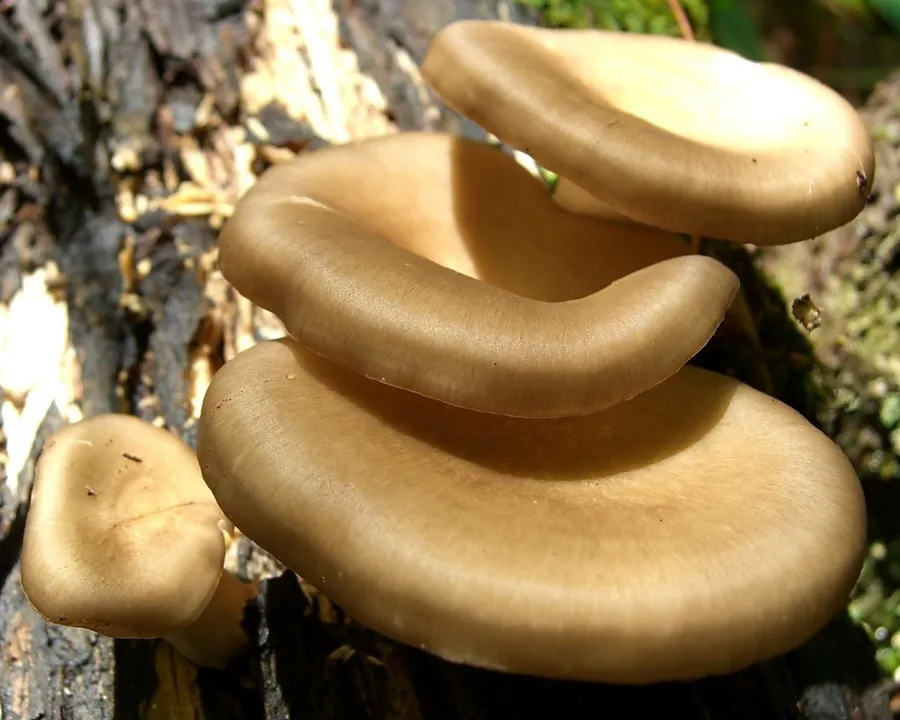
The fruit bodies tend to be upright, growing solitary or in groups, sometimes with two or more fruit bodies arising from a common stipe. The cap is circular or kidney-shaped, and often lobed or with a wavy edge. When young, the fruit bodies are convex, then become flat or funnel-shaped in maturity, reaching dimensions of 4–25 cm across by 1–4 mm thick. The upper cap surface is smooth and glossy, but develops radial wrinkles as it ages. The color of the cap is brown, often darker in the center and lighter-colored at the margins; it may blacken with age. The under-surface is white or cream-colored, yellowing when old. The pores are round and number 4–8 per mm, while the shallow tubes are adnate to decurrent (running down the length of the stipe). The stipe, attached to the cap either centrally or laterally, is 1–8 cm long by 0.3–1.5 cm thick, velvety and dark brown to blackish-brown, black and longitudinally wrinkled when old. The fruit bodies are inedible because of their tough texture. The spores are ellipsoid or cylindrical, hyaline (translucent), smooth, and 7.5–9 by 3–5 μm. The basidia (spore-bearing cells) are club-shaped with a narrow base, and have dimensions of 20–30 by 7–9 μm. Like other members of the genus Polyporus, this species has a dimitic hyphal construction, meaning that the hyphae are made of both generative hyphae and skeleto-ligative hyphae, a feature which tends to make the mushroom tissue hard and woody. There are no cystidia in the hymenium. The fungus has been shown to produce asexual spores when grown in pure culture conditions.
Habitat dan peran ekologis
Picipes badius grows in temperate regions of Asia, Europe, and North America. It grows on the standing or fallen trunks and branches of various hardwood genera, including Acer, Aesculus, Alnus, Betula, Castanea, Fagus, Fraxinus, Populus, Prunus, Robinia, Quercus, Salix, Tilia and Ulmus.
- Habitat atau konteks temuan
- Informasi belum tersedia pada sumber rilis ini.
- Substrat
- Informasi belum tersedia pada sumber rilis ini.
- Peran atau konteks
- Belum dikategorikan pada rilis ini.
Reproduksi
The spores are ellipsoid or cylindrical, hyaline (translucent), smooth, and 7.5–9 by 3–5 μm. The basidia (spore-bearing cells) are club-shaped with a narrow base, and have dimensions of 20–30 by 7–9 μm. Like other members of the genus Polyporus, this species has a dimitic hyphal construction, meaning that the hyphae are made of both generative hyphae and skeleto-ligative hyphae, a feature which tends to make the mushroom tissue hard and woody. There are no cystidia in the hymenium. The fungus has been shown to produce asexual spores when grown in pure culture conditions.
Catatan identitas dan cakupan
- Nama diterima mengikuti Catalogue of Life Base2026-09-11; uraian mempertahankan konsep dan nama sumber aslinya.
- Original geographic, specimen and life-cycle scope retained; source import awaits individual editorial review.
- Impor dan terjemahan otomatis belum diperiksa editorial per profil. Struktur reproduktif yang disebutkan tidak membuktikan seluruh siklus hidup diketahui.
- Pengukuran pada uraian mengikuti spesimen, kultur, dan metode sumber; angka tidak diperluas ke semua populasi.
Catatan distribusi dalam narasi mengikuti sumbernya. Dokumentasi spesimen atau foto mengikuti catatan sumber. Bukti wilayah Indonesia dan penilaian konservasi tidak disimpulkan dari gambar.
Melihat dengan konteks
Dokumentasi Picipes badius menurut asosiasi foto pada record takson iNaturalist. Kredit: Jason Hollinger. Identitas mengikuti sumber; bukan penentuan spesimen independen.
- Jenis
- Fotografi
- Kredit
- (c) Jason Hollinger, some rights reserved (CC BY)
- Lisensi
- CC BY 4.0
- Sumber media
- Buka entri sumber
Dokumentasi tambahan
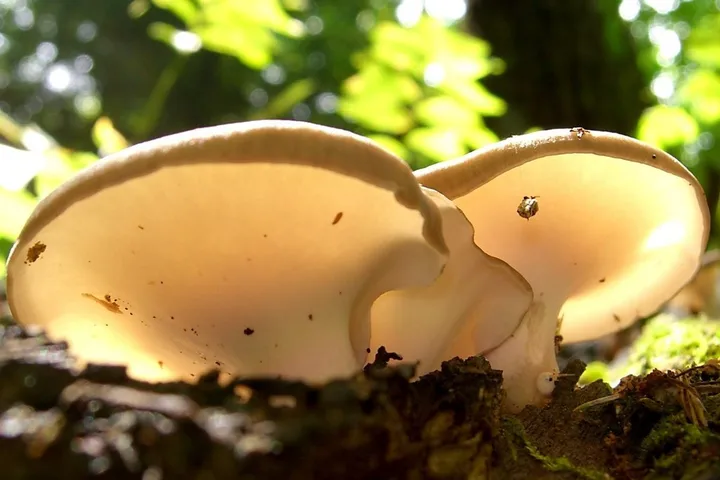
Foto yang diasosiasikan dengan Picipes badius pada iNaturalist. Identifikasi mengikuti sumber; bukan penentuan spesimen independen.
Kredit dan penggunaan
(c) Jason Hollinger, some rights reserved (CC BY)
Ukuran dan format gambar disesuaikan tanpa pemotongan, retus, atau penambahan skala. Lisensi sumber dipertahankan.
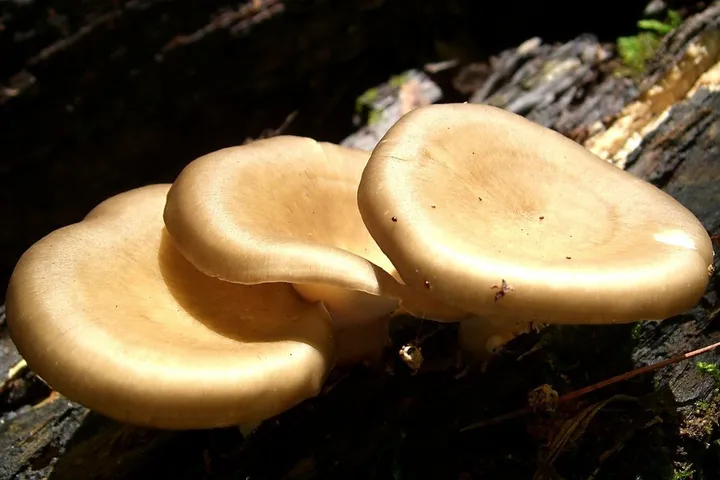
Foto yang diasosiasikan dengan Picipes badius pada iNaturalist. Identifikasi mengikuti sumber; bukan penentuan spesimen independen.
Kredit dan penggunaan
(c) Jason Hollinger, some rights reserved (CC BY)
Ukuran dan format gambar disesuaikan tanpa pemotongan, retus, atau penambahan skala. Lisensi sumber dipertahankan.
Sumber profil
- [1] Picipes badius — Wikipedia (en)
- [2] Catalogue of Life Base2026-09-11 — Picipes badius
- [3] Dokumentasi visual — Picipes badius
- [4] Dokumentasi visual — Picipes badius
- [5] Dokumentasi visual — Picipes badius
Rujukan halaman ini
Fungi. Picipes badius. Rilis data fungi-2026-10-12-expansion-2. https://fungi-atlas.mgadib.chatgpt.site/jamur/picipes-badius/.
Status: impor sumber; pemeriksaan editorial per profil belum selesai. Untuk klaim biologis, gunakan rujukan pada bagian terkait dan periksa konteks sumber aslinya.