Ciri dan struktur
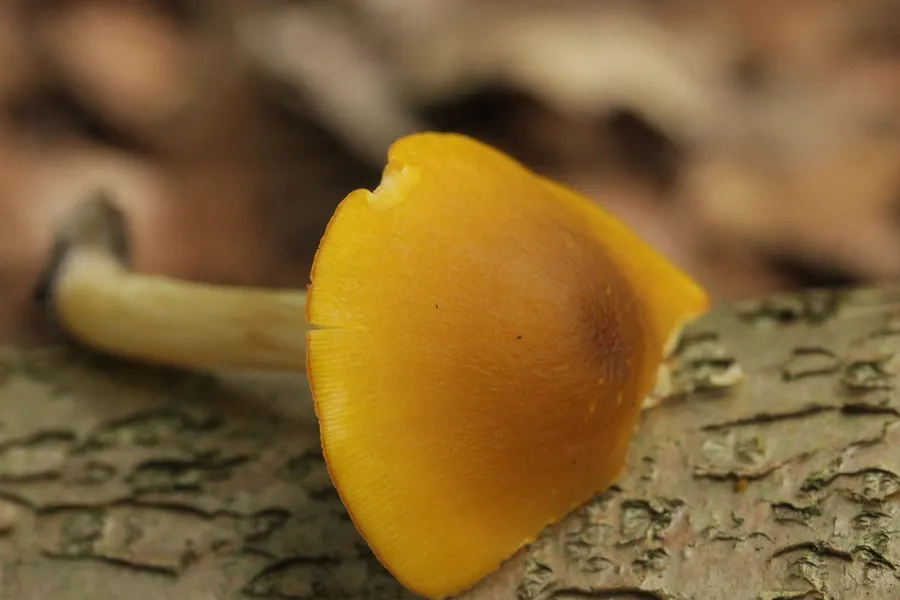
Basidiomata medium-sized. Pileus 20–31 mm diam; convex to plano-convex, often with a low, broad umbo; egg-yellow (5.0Y 9/12), black-brown in the center (2.5YR 5/8), with white pruinose on the surface, margin usually translucently striate. Lamellae flesh pink (2.5YR 8/6), free, slightly crowded, thick, unequal, slightly ventricose, 3–5 mm wide. Stipe 37–48 × 4–7 mm, cylindrical, hollow, partly spirally twisted, base slightly thick, fibrous, surface smooth. Odorless. Spore prints pink. Basidiospores 6.0–7.0(–7.5) × 5.0–6.0(–6.5) μm, avL × avW = 6.5–7.0 × 5.5–5.8 µm, Q = 1.15–1.40 μm, avQ = 1.18–1.26 μm, subglobose to broadly ellipsoid, ellipsoid or ovoid, slightly pinkish, smooth, thin-walled. Basidia 24–29 × 7–10 μm, clavate, thin-walled, 4-sterigmate, hyaline. Pleurocystidia 50–86 × 20–26 μm, numerous, scattered, fusiform to utriform, apically obtusely rounded, commonly provided with 1–4 digitiform excrescences at apex, slightly thick-walled, smooth, hyaline. Lamellar edge sterile. Cheilocystidia 35–72 × 13–25 μm, similar in form to pleurocystidia, numerous, narrowly fusiform to utriform, with 1–2 digitate or mucronate apically, thin-walled, hyaline. Pileipellis a trichoderm with radial hyphae, with terminal elements 43–157 × 13–31 μm, hyphae at the center extending outwards, with cylindrical or fusiform elements, thick-walled, with slightly yellowish intracellular pigment. Stipitipellis a cutis, hyphae 4–11 µm diam, cylindrical, hyaline, non-incrusted, non-gelatinous, and thin-walled. Caulocystidia absent. Clamp connections absent in all tissues.
Habitat dan peran ekologis
Solitary to scattered on decaying wood (Quercus, Picea) in broad-leaved or mixed forests. Europe (Rea 1922; Vellinga and Schreurs 1985; Orton 1986; Vellinga 1990; Breitenbach and Kränzlin 1995; Krieglsteiner 2003; Boccardo et al. 2008; Heilmann-Clausen 2008), Asia (Takehashi and Kasuya 2007), North America (Murrill 1917; Kauffman 1918; Singer 1956) and North Africa (Malençon and Bertault 1970). It is distributed in all provinces of China (Xu 2016).
- Habitat atau konteks temuan
- hutan
- Substrat
- kayu
- Peran atau konteks
- Belum dikategorikan pada rilis ini.
Reproduksi
Basidiomata medium-sized. Pileus 20–31 mm diam; convex to plano-convex, often with a low, broad umbo; egg-yellow (5.0Y 9/12), black-brown in the center (2.5YR 5/8), with white pruinose on the surface, margin usually translucently striate. Lamellae flesh pink (2.5YR 8/6), free, slightly crowded, thick, unequal, slightly ventricose, 3–5 mm wide. Stipe 37–48 × 4–7 mm, cylindrical, hollow, partly spirally twisted, base slightly thick, fibrous, surface smooth. Odorless. Spore prints pink. Basidiospores 6.0–7.0(–7.5) × 5.0–6.0(–6.5) μm, avL × avW = 6.5–7.0 × 5.5–5.8 µm, Q = 1.15–1.40 μm, avQ = 1.18–1.26 μm, subglobose to broadly ellipsoid, ellipsoid or ovoid, slightly pinkish, smooth, thin-walled.
Catatan identitas dan cakupan
- Nama diterima mengikuti Catalogue of Life Base2026-09-11; uraian mempertahankan konsep dan nama sumber aslinya.
- Preserve original treatment localities, hosts and substrate scope. Materials examined describe documented specimens, not the full global range.
- Impor dan terjemahan otomatis belum diperiksa editorial per profil. Struktur reproduktif yang disebutkan tidak membuktikan seluruh siklus hidup diketahui.
- Pengukuran pada uraian mengikuti spesimen, kultur, dan metode sumber; angka tidak diperluas ke semua populasi.
Catatan distribusi dalam narasi mengikuti sumbernya. Dokumentasi spesimen atau foto mengikuti catatan sumber. Bukti wilayah Indonesia dan penilaian konservasi tidak disimpulkan dari gambar.
Melihat dengan konteks
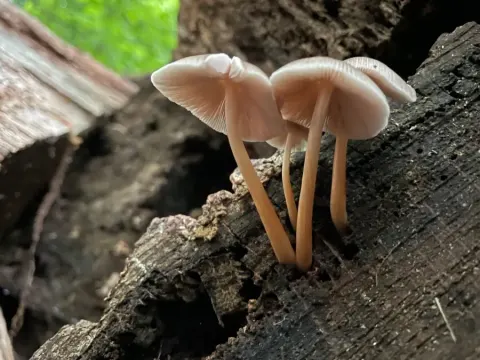
Dokumentasi Pluteus leoninus menurut asosiasi foto pada record takson iNaturalist. Kredit: Björn S.... Identitas mengikuti sumber; bukan penentuan spesimen independen.
- Jenis
- Fotografi
- Kredit
- (c) Björn S..., some rights reserved (CC BY-SA)
- Lisensi
- CC BY-SA 4.0
- Sumber media
- Buka entri sumber
Dokumentasi tambahan
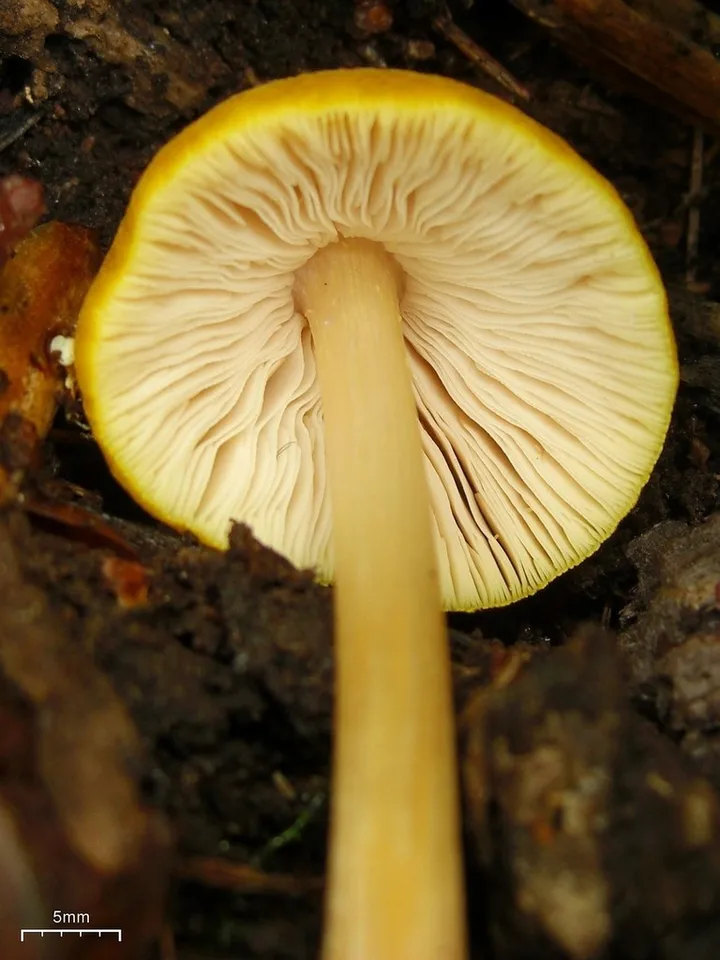
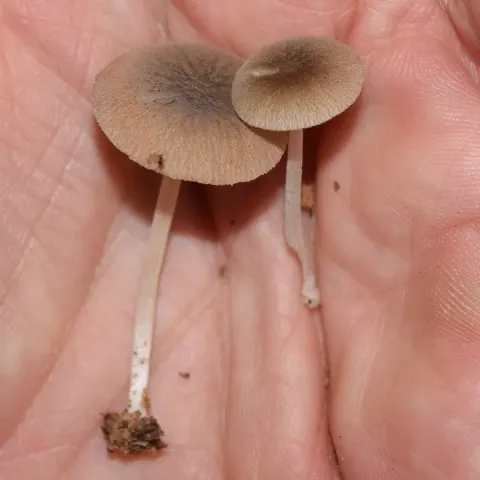
Foto yang diasosiasikan dengan Pluteus leoninus pada iNaturalist. Identifikasi mengikuti sumber; bukan penentuan spesimen independen.
Kredit dan penggunaan
(c) Jason Hollinger, some rights reserved (CC BY)
Ukuran dan format gambar disesuaikan tanpa pemotongan, retus, atau penambahan skala. Lisensi sumber dipertahankan.
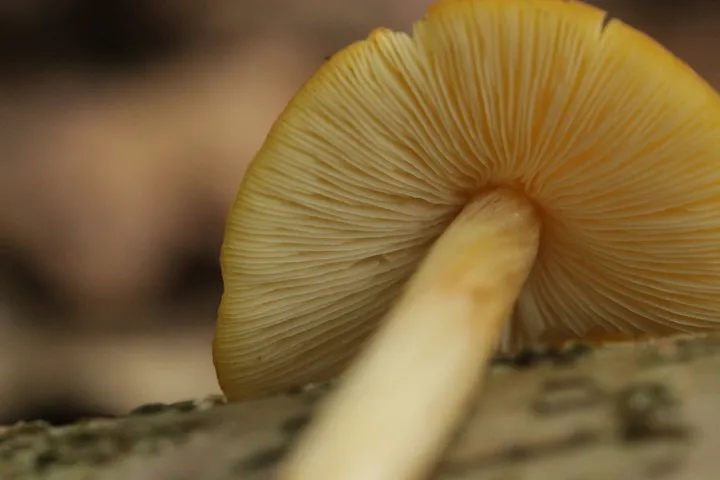
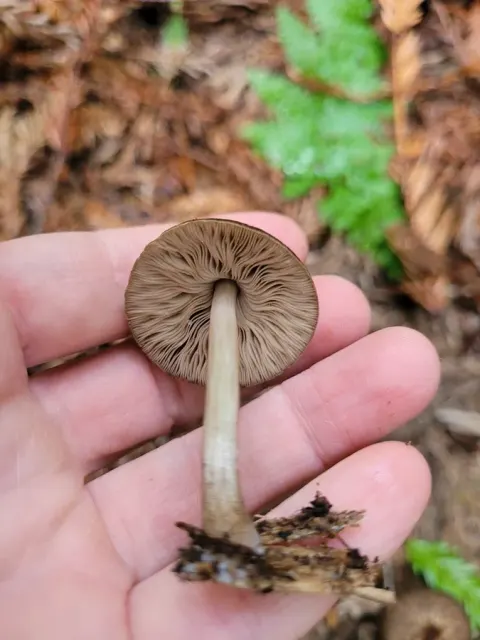
Foto yang diasosiasikan dengan Pluteus leoninus pada iNaturalist. Identifikasi mengikuti sumber; bukan penentuan spesimen independen.
Kredit dan penggunaan
(c) Björn S..., some rights reserved (CC BY-SA)
Ukuran dan format gambar disesuaikan tanpa pemotongan, retus, atau penambahan skala. Lisensi sumber dipertahankan.
Sumber profil
- [1] Integrating morphology, phylogeny, substrate, and distribution: clarifying the major phylogenetic framework of Pluteus sect. Hispidoderma (Agaricales, Pluteaceae) and describing 18 species — Pluteus leoninus
- [2] Catalogue of Life Base2026-09-11 — Pluteus leoninus
- [3] Dokumentasi visual — Pluteus leoninus
- [4] Dokumentasi visual — Pluteus leoninus
- [5] Dokumentasi visual — Pluteus leoninus
Rujukan halaman ini
Fungi. Pluteus leoninus. Rilis data fungi-2026-10-12-expansion-2. https://fungi-atlas.mgadib.chatgpt.site/jamur/pluteus-leoninus/.
Status: impor sumber; pemeriksaan editorial per profil belum selesai. Untuk klaim biologis, gunakan rujukan pada bagian terkait dan periksa konteks sumber aslinya.