01 / Morfologi

Ciri dan struktur

Pluteus phaeocyanopus is an agaric fungus in the family Pluteaceae. Described as a new species in 2010, it has only been collected from California, where it grows singularly or in groups on the decaying wood of oak. The fruit body has a smooth brown cap measuring 2 – 4 cm in diameter. The stipe is 2 – 5 cm long by 0.4 – 0.8 cm thick, and roughly equal in width throughout. It is whitish but becomes grayish-green near the base. The thin and fragile gills are free from attachment to the stipe, close to somewhat distantly placed, and interspersed with several tiers of lamellulae (short gills). The flesh has no distinctive taste or odor. The spores are spherical or nearly so and measure 6.2–8.4 by 5.7–7.9 μm.

Sebagian uraian ditampilkan dalam bahasa sumber; terjemahannya belum tersedia atau belum lolos pemeriksaan.

Rujukan: [1]

Pengukuran mengikuti objek, spesimen atau kultur, dan metode yang disebutkan sumber. Baca uraian asli untuk konteks lengkap.

02 / Kehidupan

Habitat dan peran ekologis

Pluteus phaeocyanopus is an agaric fungus in the family Pluteaceae. Described as a new species in 2010, it has only been collected from California, where it grows singularly or in groups on the decaying wood of oak. The fruit body has a smooth brown cap measuring 2 – 4 cm in diameter. The stipe is 2 – 5 cm long by 0.4 – 0.8 cm thick, and roughly equal in width throughout. It is whitish but becomes grayish-green near the base. The thin and fragile gills are free from attachment to the stipe, close to somewhat distantly placed, and interspersed with several tiers of lamellulae (short gills). The flesh has no distinctive taste or odor. The spores are spherical or nearly so and measure 6.2–8.4 by 5.7–7.9 μm. The species was originally collected from San Francisco (California) in 1966 by American mycologist Harry D. Thiers and assigned to Pluteus cyanopus. However, a reexamination of the type material revealed that it has microscopic characters distinct from that species, which prompted authors Andrew Minnis and Walter Sundberg to describe the California collection as a new species.

Sebagian uraian ditampilkan dalam bahasa sumber; terjemahannya belum tersedia atau belum lolos pemeriksaan.

Rujukan: [1]

Habitat atau konteks temuan
Informasi belum tersedia pada sumber rilis ini.
Substrat
Informasi belum tersedia pada sumber rilis ini.
Peran atau konteks
Belum dikategorikan pada rilis ini.
Temukan hubungan serupa
03 / Siklus hidup

Reproduksi

Pluteus phaeocyanopus is an agaric fungus in the family Pluteaceae. Described as a new species in 2010, it has only been collected from California, where it grows singularly or in groups on the decaying wood of oak. The fruit body has a smooth brown cap measuring 2 – 4 cm in diameter. The stipe is 2 – 5 cm long by 0.4 – 0.8 cm thick, and roughly equal in width throughout. It is whitish but becomes grayish-green near the base. The thin and fragile gills are free from attachment to the stipe, close to somewhat distantly placed, and interspersed with several tiers of lamellulae (short gills). The flesh has no distinctive taste or odor. The spores are spherical or nearly so and measure 6.2–8.4 by 5.7–7.9 μm.

Sebagian uraian ditampilkan dalam bahasa sumber; terjemahannya belum tersedia atau belum lolos pemeriksaan.

Rujukan: [1]

04 / Batas informasi

Catatan identitas dan cakupan

  • Nama diterima mengikuti Catalogue of Life Base2026-09-11; uraian mempertahankan konsep dan nama sumber aslinya.
  • Original geographic, specimen and life-cycle scope retained; source import awaits individual editorial review.
  • Impor dan terjemahan otomatis belum diperiksa editorial per profil. Struktur reproduktif yang disebutkan tidak membuktikan seluruh siklus hidup diketahui.
  • Pengukuran pada uraian mengikuti spesimen, kultur, dan metode sumber; angka tidak diperluas ke semua populasi.

Catatan distribusi dalam narasi mengikuti sumbernya. Dokumentasi spesimen atau foto mengikuti catatan sumber. Bukti wilayah Indonesia dan penilaian konservasi tidak disimpulkan dari gambar.

05 / Dokumentasi

Melihat dengan konteks

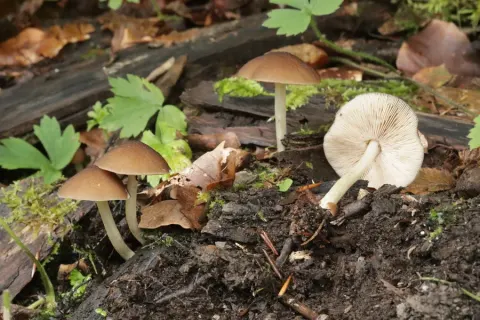
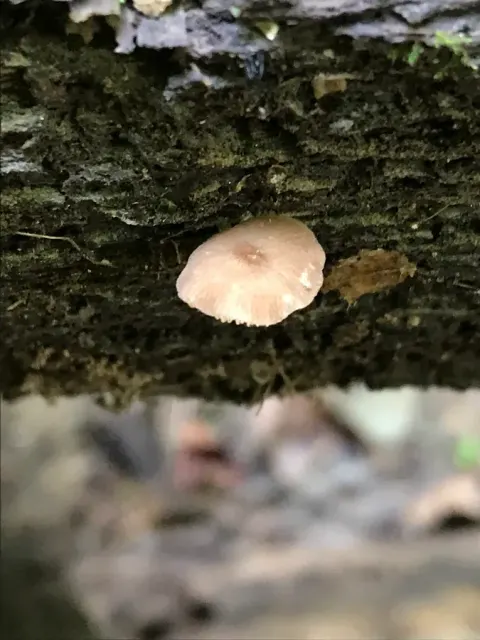
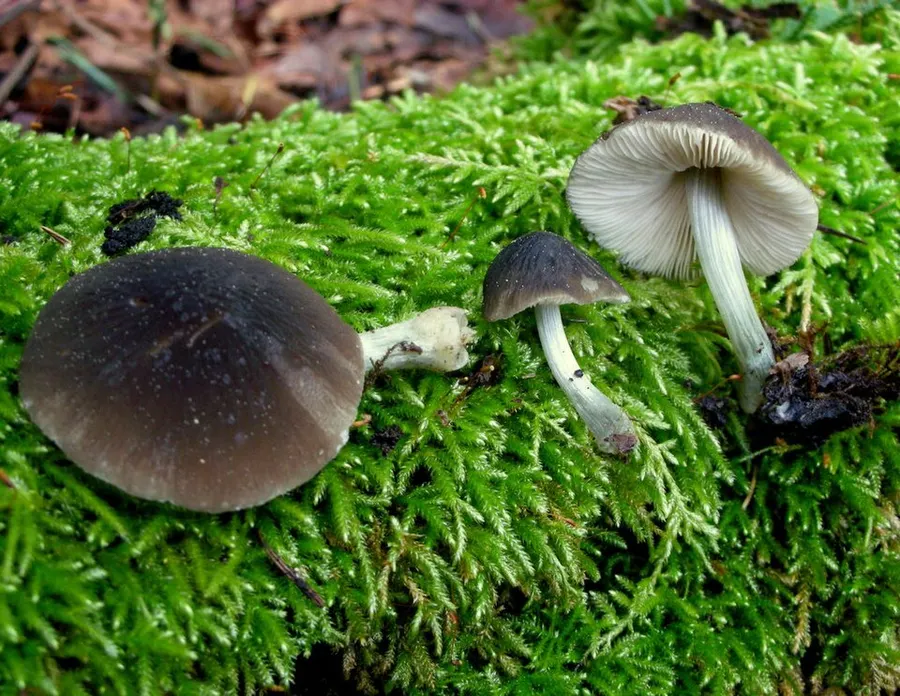
Dokumentasi Pluteus phaeocyanopus dari Wikimedia Commons. Fruit bodies of the agaric fungus Pluteus phaeocyanopus Minnis & Sundb. Photographed in Bon Tempe Reservoir, Marin Co., California, USA. Identifikasi mengikuti record berkas sumber.

Jenis
Fotografi
Kredit
Ron Pastorino (Ronpast)
Sumber media
Buka entri sumber

Gambar menunjukkan objek menurut identifikasi sumber, bukan verifikasi independen spesimen oleh Fungi. Tidak ada skala baru yang ditambahkan.

06 / Rujukan

Sumber profil

  1. [1] Pluteus phaeocyanopus — Wikipedia (en)Bagian sumber: Frozen revision 1292689361
    Tanggal penghimpunan sumber: 2026-10-12
    Teks sumber: CC BY-SA4.0 · Wikipedia contributors
  2. [2] Catalogue of Life Base2026-09-11 — Pluteus phaeocyanopusBagian sumber: ColDP NameUsage.tsv ID 6VRBK; accepted species; source 2073
    Tanggal penghimpunan sumber: 2026-10-12
  3. [3] Dokumentasi visual — Pluteus phaeocyanopusBagian sumber: Individual media record; identification follows the source, not independent determination
    Tanggal penghimpunan sumber: 2026-10-12
    Media sumber: CC BY-SA 3.0 · Ron Pastorino (Ronpast)

Adaptasi teks: CC BY-SA 4.0. Wikipedia contributors — Pluteus phaeocyanopus — Wikipedia (en)

Uraian asli dan riwayat sumber

Riwayat atau halaman sumber

Ringkasan sumber

Pluteus phaeocyanopus is an agaric fungus in the family Pluteaceae. Described as a new species in 2010, it has only been collected from California, where it grows singularly or in groups on the decaying wood of oak. The fruit body has a smooth brown cap measuring 2 – 4 cm in diameter. The stipe is 2 – 5 cm long by 0.4 – 0.8 cm thick, and roughly equal in width throughout. It is whitish but becomes grayish-green near the base. The thin and fragile gills are free from attachment to the stipe, close to somewhat distantly placed, and interspersed with several tiers of lamellulae (short gills).

Revisi sumber

Morfologi sumber

Pluteus phaeocyanopus is an agaric fungus in the family Pluteaceae. Described as a new species in 2010, it has only been collected from California, where it grows singularly or in groups on the decaying wood of oak. The fruit body has a smooth brown cap measuring 2 – 4 cm in diameter. The stipe is 2 – 5 cm long by 0.4 – 0.8 cm thick, and roughly equal in width throughout. It is whitish but becomes grayish-green near the base. The thin and fragile gills are free from attachment to the stipe, close to somewhat distantly placed, and interspersed with several tiers of lamellulae (short gills). The flesh has no distinctive taste or odor. The spores are spherical or nearly so and measure 6.2–8.4 by 5.7–7.9 μm.

Revisi sumber

Ekologi sumber

Pluteus phaeocyanopus is an agaric fungus in the family Pluteaceae. Described as a new species in 2010, it has only been collected from California, where it grows singularly or in groups on the decaying wood of oak. The fruit body has a smooth brown cap measuring 2 – 4 cm in diameter. The stipe is 2 – 5 cm long by 0.4 – 0.8 cm thick, and roughly equal in width throughout. It is whitish but becomes grayish-green near the base. The thin and fragile gills are free from attachment to the stipe, close to somewhat distantly placed, and interspersed with several tiers of lamellulae (short gills). The flesh has no distinctive taste or odor. The spores are spherical or nearly so and measure 6.2–8.4 by 5.7–7.9 μm. The species was originally collected from San Francisco (California) in 1966 by American mycologist Harry D. Thiers and assigned to Pluteus cyanopus. However, a reexamination of the type material revealed that it has microscopic characters distinct from that species, which prompted authors Andrew Minnis and Walter Sundberg to describe the California collection as a new species.

Revisi sumber

Struktur reproduksi sumber

Pluteus phaeocyanopus is an agaric fungus in the family Pluteaceae. Described as a new species in 2010, it has only been collected from California, where it grows singularly or in groups on the decaying wood of oak. The fruit body has a smooth brown cap measuring 2 – 4 cm in diameter. The stipe is 2 – 5 cm long by 0.4 – 0.8 cm thick, and roughly equal in width throughout. It is whitish but becomes grayish-green near the base. The thin and fragile gills are free from attachment to the stipe, close to somewhat distantly placed, and interspersed with several tiers of lamellulae (short gills). The flesh has no distinctive taste or odor. The spores are spherical or nearly so and measure 6.2–8.4 by 5.7–7.9 μm.

Revisi sumber

Rujukan halaman ini

Fungi. Pluteus phaeocyanopus. Rilis data fungi-2026-10-12-expansion-2. https://fungi-atlas.mgadib.chatgpt.site/jamur/pluteus-phaeocyanopus/.

Status: impor sumber; pemeriksaan editorial per profil belum selesai. Untuk klaim biologis, gunakan rujukan pada bagian terkait dan periksa konteks sumber aslinya.