01 / Morfologi

Ciri dan struktur

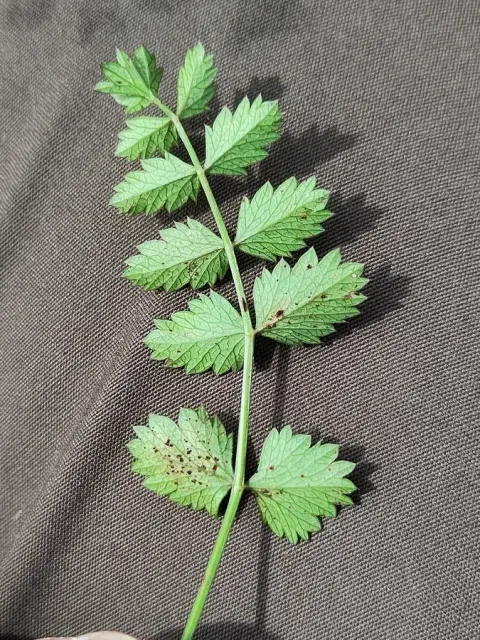
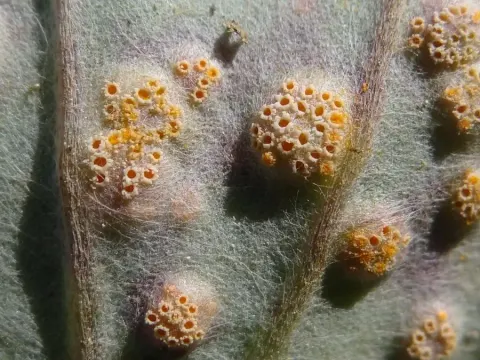
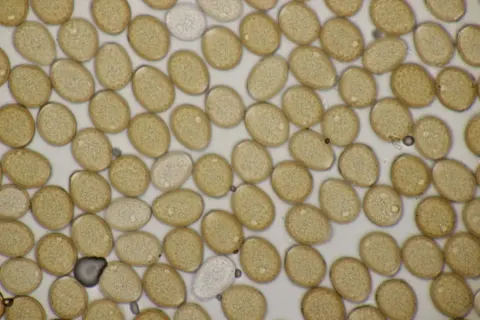
Infection of host plants (including Boechera and several other members of the mustard family) occurs via wind-borne basidiospores in late summer. Upon germination of the spores, fungal hyphae penetrate the stem of the mustard plant and siphon off nutrients. However, in order to reproduce sexually, the fungus must facilitate the transfer of spermatia from the spermatogonia on this plant to receptive hyphae borne in the spermatogonia on another infected mustard plant. To accomplish this, the fungus sterilizes the host plant, preventing it from producing true flowers. Instead, it forces the infected plant to grow clusters of leaves into brilliant yellow pseudoflowers bearing the fungal spermatogonia. Insects visiting the pseudoflowers transfer spermatia from one host plant to another, in the same way that pollinators transfer pollen between the true flowers of uninfected plants. Spermatia transferred in this way fuse with receptive spermatogonial hyphae on the recipient plant. The resulting hyphae subsequently form aecia. At this time, the pseudoflowers lose their green colour and stop producing nectar. Spores produced in the aecia, referred to as aeciospores, are responsible for infecting P. monoicas alternate host plant (a grass species of Koeleria, Trisetum, or Stipa). Upon germination hyphae produced by the aeciospores penetrate the grass, leading to the production of uredia. The uredia produce urediniospores capable of infecting more grass plants. Ultimately, telia are produced on the infected grasses. This leads to production of basidia and basidiospores. When released the basidiospores may infect new mustard plants, completing the life cycle.

Sebagian uraian ditampilkan dalam bahasa sumber; terjemahannya belum tersedia atau belum lolos pemeriksaan.

Rujukan: [1]

Pengukuran mengikuti objek, spesimen atau kultur, dan metode yang disebutkan sumber. Baca uraian asli untuk konteks lengkap.

02 / Kehidupan

Habitat dan peran ekologis

Puccinia monoica adalah jamur karat parasit dari genus Puccinia that menghambat mekar di tanaman tuan rumah (biasanya Boechera species) dan secara radikal mengubah morfologi tuan rumah untuk memfasilitasi reproduksi seksualnya sendiri dengan menghasilkan struktur yang mirip bunga tetapi mengandung partikel jamur bukan serbuk sari.

Rujukan: [1]

Habitat atau konteks temuan
Informasi belum tersedia pada sumber rilis ini.
Substrat
Informasi belum tersedia pada sumber rilis ini.
Peran atau konteks
Belum dikategorikan pada rilis ini.
Temukan hubungan serupa
03 / Siklus hidup

Reproduksi

Puccinia monoica is a parasitic rust fungus of the genus Puccinia that inhibits flowering in its host plant (usually a Boechera species) and radically transforms host morphology in order to facilitate its own sexual reproduction by producing structures resembling flowers but containing fungal particles instead of pollen. Infection of host plants (including Boechera and several other members of the mustard family) occurs via wind-borne basidiospores in late summer. Upon germination of the spores, fungal hyphae penetrate the stem of the mustard plant and siphon off nutrients. However, in order to reproduce sexually, the fungus must facilitate the transfer of spermatia from the spermatogonia on this plant to receptive hyphae borne in the spermatogonia on another infected mustard plant.

Sebagian uraian ditampilkan dalam bahasa sumber; terjemahannya belum tersedia atau belum lolos pemeriksaan.

Rujukan: [1]

Sinonim menurut acuan taksonomi rilis: Aecidium monoicum; Dicaeoma monoicum
04 / Batas informasi

Catatan identitas dan cakupan

  • Nama diterima mengikuti Catalogue of Life Base2026-09-11; uraian mempertahankan konsep dan nama sumber aslinya.
  • Original geographic, specimen and life-cycle scope retained; source import awaits individual editorial review.
  • Impor dan terjemahan otomatis belum diperiksa editorial per profil. Struktur reproduktif yang disebutkan tidak membuktikan seluruh siklus hidup diketahui.
  • Pengukuran pada uraian mengikuti spesimen, kultur, dan metode sumber; angka tidak diperluas ke semua populasi.

Catatan distribusi dalam narasi mengikuti sumbernya. Dokumentasi spesimen atau foto mengikuti catatan sumber. Bukti wilayah Indonesia dan penilaian konservasi tidak disimpulkan dari gambar.

05 / Dokumentasi

Melihat dengan konteks

Dokumentasi visual yang memenuhi pemeriksaan subjek dan hak penggunaan belum tersedia. Foto gejala, label, dan gambar yang meragukan tidak dihitung.

06 / Rujukan

Sumber profil

  1. [1] Puccinia monoica — Wikipedia (en)Bagian sumber: Frozen revision 1345001878
    Tanggal penghimpunan sumber: 2026-10-12
    Teks sumber: CC BY-SA4.0 · Wikipedia contributors
  2. [2] Catalogue of Life Base2026-09-11 — Puccinia monoicaBagian sumber: ColDP NameUsage.tsv ID 6WNWY; accepted species; source 2073
    Tanggal penghimpunan sumber: 2026-10-12

Adaptasi teks: CC BY-SA 4.0. Wikipedia contributors — Puccinia monoica — Wikipedia (en)

Uraian asli dan riwayat sumber

Riwayat atau halaman sumber

Ringkasan sumber

Infection of host plants (including Boechera and several other members of the mustard family) occurs via wind-borne basidiospores in late summer. Upon germination of the spores, fungal hyphae penetrate the stem of the mustard plant and siphon off nutrients. However, in order to reproduce sexually, the fungus must facilitate the transfer of spermatia from the spermatogonia on this plant to receptive hyphae borne in the spermatogonia on another infected mustard plant. To accomplish this, the fungus sterilizes the host plant, preventing it from producing true flowers.

Revisi sumber

Morfologi sumber

Infection of host plants (including Boechera and several other members of the mustard family) occurs via wind-borne basidiospores in late summer. Upon germination of the spores, fungal hyphae penetrate the stem of the mustard plant and siphon off nutrients. However, in order to reproduce sexually, the fungus must facilitate the transfer of spermatia from the spermatogonia on this plant to receptive hyphae borne in the spermatogonia on another infected mustard plant. To accomplish this, the fungus sterilizes the host plant, preventing it from producing true flowers. Instead, it forces the infected plant to grow clusters of leaves into brilliant yellow pseudoflowers bearing the fungal spermatogonia. Insects visiting the pseudoflowers transfer spermatia from one host plant to another, in the same way that pollinators transfer pollen between the true flowers of uninfected plants. Spermatia transferred in this way fuse with receptive spermatogonial hyphae on the recipient plant. The resulting hyphae subsequently form aecia. At this time, the pseudoflowers lose their green colour and stop producing nectar. Spores produced in the aecia, referred to as aeciospores, are responsible for infecting P. monoicas alternate host plant (a grass species of Koeleria, Trisetum, or Stipa). Upon germination hyphae produced by the aeciospores penetrate the grass, leading to the production of uredia. The uredia produce urediniospores capable of infecting more grass plants. Ultimately, telia are produced on the infected grasses. This leads to production of basidia and basidiospores. When released the basidiospores may infect new mustard plants, completing the life cycle.

Revisi sumber

Ekologi sumber

Puccinia monoica is a parasitic rust fungus of the genus Puccinia that inhibits flowering in its host plant (usually a Boechera species) and radically transforms host morphology in order to facilitate its own sexual reproduction by producing structures resembling flowers but containing fungal particles instead of pollen.

Revisi sumber

Struktur reproduksi sumber

Puccinia monoica is a parasitic rust fungus of the genus Puccinia that inhibits flowering in its host plant (usually a Boechera species) and radically transforms host morphology in order to facilitate its own sexual reproduction by producing structures resembling flowers but containing fungal particles instead of pollen. Infection of host plants (including Boechera and several other members of the mustard family) occurs via wind-borne basidiospores in late summer. Upon germination of the spores, fungal hyphae penetrate the stem of the mustard plant and siphon off nutrients. However, in order to reproduce sexually, the fungus must facilitate the transfer of spermatia from the spermatogonia on this plant to receptive hyphae borne in the spermatogonia on another infected mustard plant.

Revisi sumber

Rujukan halaman ini

Fungi. Puccinia monoica. Rilis data fungi-2026-10-12-expansion-2. https://fungi-atlas.mgadib.chatgpt.site/jamur/puccinia-monoica/.

Status: impor sumber; pemeriksaan editorial per profil belum selesai. Untuk klaim biologis, gunakan rujukan pada bagian terkait dan periksa konteks sumber aslinya.