01 / Morfologi

Ciri dan struktur

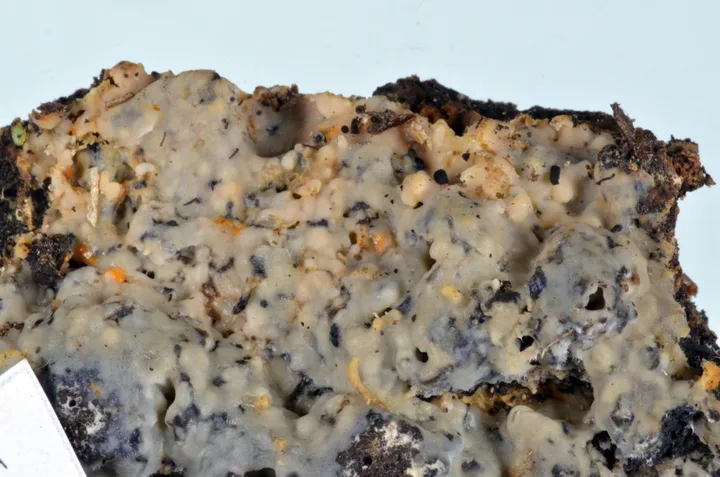
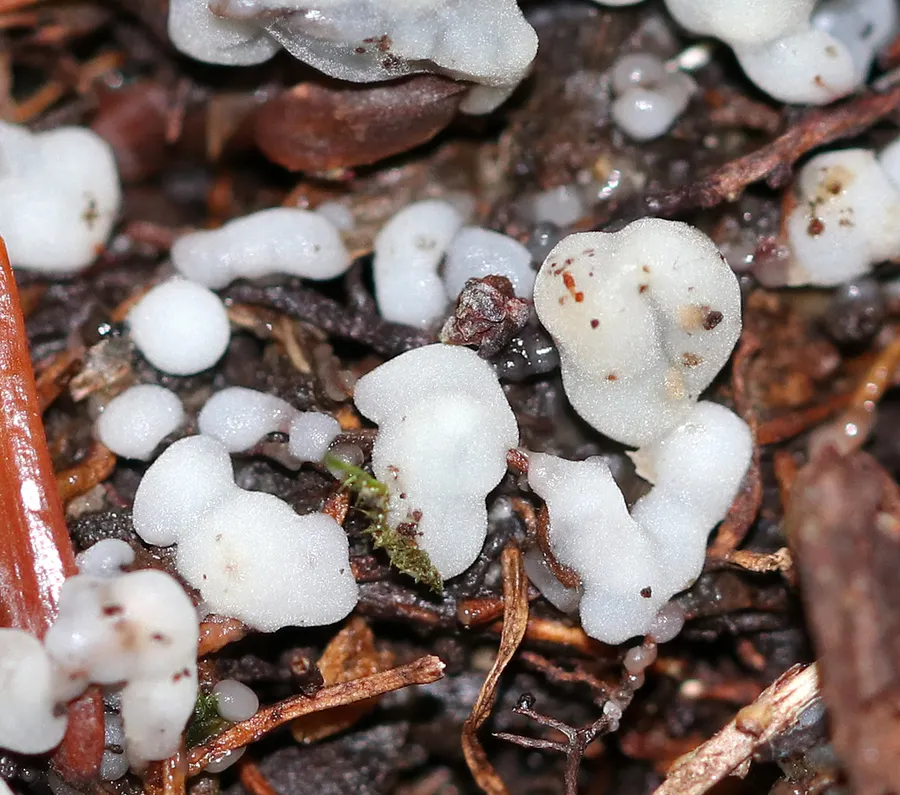
Fructifications waxy-gelatinous, soft-gelatinous or cartilaginous, thick, effused, indeterminate, originating as small patches, coalescing to form irregular, undulate or tuberculate areas to 12 cm in longest dimension, white to greyish hyaline when fresh, drying to a cream or yellowish brown film or crust. In section to 1 mm thick, consisting of ascending layer and hymenium. Ascending layer composed of interwoven, distinct, septate, hyaline hyphae, 1.5-3 µm diam., clamp connections absent. Hymenium composed of dikaryophyses and basidia; dikaryophyses crowded, simple or sparingly and irregularly branched apically, projecting to 60 µm, beyond basidia, distinct; probasidia broadly elliptical, with basal septa. 15.5-19.8 x 11.8-15.5µm, becoming longitudinally cruciate-septate; sterigmata cylindrical, to 100 x 1.5-2.5 µm. Basidiospores obovate to broadly elliptical, often flattened on one side, hyaline, apiculate, 9.1-13.6 x 6.2-9.3 µm. Germination by repetition.

Sebagian uraian ditampilkan dalam bahasa sumber; terjemahannya belum tersedia atau belum lolos pemeriksaan.

Rujukan: [1]

Pengukuran mengikuti objek, spesimen atau kultur, dan metode yang disebutkan sumber. Baca uraian asli untuk konteks lengkap.

02 / Kehidupan

Habitat dan peran ekologis

Znane jest występowanie łojka naziemnego w Ameryce Północnej, Europie, Australii, Nowej Zelandii i Maroku w Afryce Północnej. W Polsce jego rozprzestrzenienie i częstość występowania dokładniej nie są znane, nie jest jednak zagrożony wyginięciem. Saprotrof. Rozwija się w lasach na gołej ziemi lub na zbutwiałym drewnie drzew iglastych, zwłaszcza sosny. Owocniki tworzy od sierpnia do listopada, a także na krzewinkach i roślinach zielnych.

Sebagian uraian ditampilkan dalam bahasa sumber; terjemahannya belum tersedia atau belum lolos pemeriksaan.

Rujukan: [2]

Habitat atau konteks temuan
hutan
Substrat
Informasi belum tersedia pada sumber rilis ini.
Peran atau konteks
Pengurai
Temukan hubungan serupa
03 / Siklus hidup

Reproduksi

Fructifications waxy-gelatinous, soft-gelatinous or cartilaginous, thick, effused, indeterminate, originating as small patches, coalescing to form irregular, undulate or tuberculate areas to 12 cm in longest dimension, white to greyish hyaline when fresh, drying to a cream or yellowish brown film or crust. In section to 1 mm thick, consisting of ascending layer and hymenium. Ascending layer composed of interwoven, distinct, septate, hyaline hyphae, 1.5-3 µm diam., clamp connections absent. Hymenium composed of dikaryophyses and basidia; dikaryophyses crowded, simple or sparingly and irregularly branched apically, projecting to 60 µm, beyond basidia, distinct; probasidia broadly elliptical, with basal septa. 15.5-19.8 x 11.8-15.5µm, becoming longitudinally cruciate-septate; sterigmata cylindrical, to 100 x 1.5-2.5 µm.

Sebagian uraian ditampilkan dalam bahasa sumber; terjemahannya belum tersedia atau belum lolos pemeriksaan.

Rujukan: [1]

Sinonim menurut acuan taksonomi rilis: Exidia livescens; Sebacina ambigua; Sebacina epigaea var. bicolor; Sebacina epigaea var. goniophora; Sebacina epigaea var. livescens; Sebacina laciniata subsp. ambigua; Sebacina laciniata subsp. epigaea; Sebacina livescens; Thelephora livescens; Tremella epigaea
04 / Batas informasi

Catatan identitas dan cakupan

  • Nama diterima mengikuti Catalogue of Life Base2026-09-11; uraian mempertahankan konsep dan nama sumber aslinya.
  • Uraian digabungkan dari sumber spesies yang sama; lingkup geografis, bahan, dan kultur setiap sumber dipertahankan. Historical description as cited by BiotaNZ. Preserve explicit New Zealand/locality, host and specimen qualifiers. Distribution is the cited source scope, not a current global range. Original geographic, specimen and life-cycle scope retained; source import awaits individual editorial review.
  • Impor dan terjemahan otomatis belum diperiksa editorial per profil. Struktur reproduktif yang disebutkan tidak membuktikan seluruh siklus hidup diketahui.
  • Pengukuran pada uraian mengikuti spesimen, kultur, dan metode sumber; angka tidak diperluas ke semua populasi.

Catatan distribusi dalam narasi mengikuti sumbernya. Dokumentasi spesimen atau foto mengikuti catatan sumber. Bukti wilayah Indonesia dan penilaian konservasi tidak disimpulkan dari gambar.

05 / Dokumentasi

Melihat dengan konteks

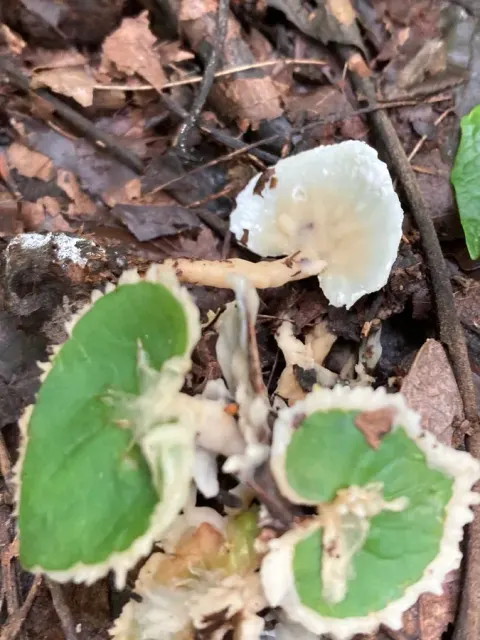
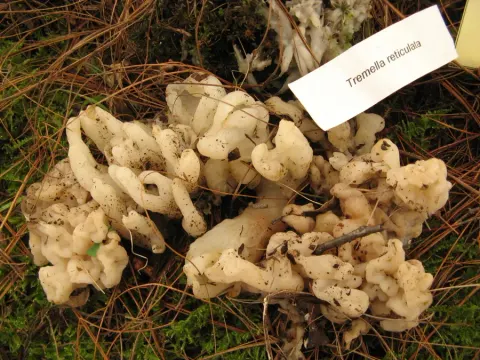
Dokumentasi Sebacina epigaea menurut asosiasi foto pada record takson iNaturalist. Kredit: Christine Young. Identitas mengikuti sumber; bukan penentuan spesimen independen.

Jenis
Fotografi
Kredit
(c) Christine Young, some rights reserved (CC BY), uploaded by Christine Young
Lisensi
CC BY 4.0
Sumber media
Buka entri sumber

Gambar menunjukkan objek menurut identifikasi sumber, bukan verifikasi independen spesimen oleh Fungi. Tidak ada skala baru yang ditambahkan.

Dokumentasi tambahan

06 / Rujukan

Sumber profil

  1. [1] McNabb, R.F.R. 1966: New Zealand Tremellales - II. New Zealand Journal of Botany 4(4): 533-545. — Sebacina epigaeaBagian sumber: biota:1cb0ffd6-36b9-11d5-9548-00d0592d548c:1cb1a37a-36b9-11d5-9548-00d0592d548c
    Tanggal penghimpunan sumber: 2026-10-12
    Teks sumber: CC BY 4.0 · McNabb, R.F.R. 1966: New Zealand Tremellales - II. New Zealand Journal of Botany 4(4): 533-545.
  2. [2] Łojek naziemny — Wikipedia (pl)Bagian sumber: Frozen revision 69465000
    Tanggal penghimpunan sumber: 2026-10-12
    Teks sumber: CC BY-SA3.0 · Autorzy i redaktorzy Wikipedii
  3. [3] Catalogue of Life Base2026-09-11 — Sebacina epigaeaBagian sumber: ColDP NameUsage.tsv ID 4W79H; accepted species; source 2073
    Tanggal penghimpunan sumber: 2026-10-12
  4. [4] Dokumentasi visual — Sebacina epigaeaBagian sumber: Identitas mengikuti sumber dokumentasi; bukan penentuan spesimen independen.
    Tanggal penghimpunan sumber: 2026-10-17
    Media sumber: CC BY 4.0 · (c) Christine Young, some rights reserved (CC BY), uploaded by Christine Young
  5. [5] Dokumentasi visual — Sebacina epigaeaBagian sumber: Identitas mengikuti sumber dokumentasi; bukan penentuan spesimen independen.
    Tanggal penghimpunan sumber: 2026-10-17
    Teks sumber: CC BY 4.0 · (c) Jerry Cooper, some rights reserved (CC BY), uploaded by Jerry Cooper

Adaptasi teks: CC BY-SA 4.0. McNabb, R.F.R. 1966: New Zealand Tremellales - II. New Zealand Journal of Botany 4(4): 533-545. — McNabb, R.F.R. 1966: New Zealand Tremellales - II. New Zealand Journal of Botany 4(4): 533-545. — Sebacina epigaea; Autorzy i redaktorzy Wikipedii — Łojek naziemny — Wikipedia (pl)

Uraian asli dan riwayat sumber

Riwayat atau halaman sumber

Ringkasan sumber

Fructifications waxy-gelatinous, soft-gelatinous or cartilaginous, thick, effused, indeterminate, originating as small patches, coalescing to form irregular, undulate or tuberculate areas to 12 cm in longest dimension, white to greyish hyaline when fresh, drying to a cream or yellowish brown film or crust. In section to 1 mm thick, consisting of ascending layer and hymenium. Ascending layer composed of interwoven, distinct, septate, hyaline hyphae, 1.5-3 µm diam., clamp connections absent. Hymenium composed of dikaryophyses and basidia; dikaryophyses crowded, simple or sparingly and irregularly branched apically, projecting to 60 µm, beyond basidia, distinct; probasidia broadly elliptical, with basal septa. 15.5-19.8 x 11.8-15.5µm, becoming longitudinally cruciate-septate; sterigmata cylindrical, to 100 x 1.5-2.5 µm.

Revisi sumber

Morfologi sumber

Fructifications waxy-gelatinous, soft-gelatinous or cartilaginous, thick, effused, indeterminate, originating as small patches, coalescing to form irregular, undulate or tuberculate areas to 12 cm in longest dimension, white to greyish hyaline when fresh, drying to a cream or yellowish brown film or crust. In section to 1 mm thick, consisting of ascending layer and hymenium. Ascending layer composed of interwoven, distinct, septate, hyaline hyphae, 1.5-3 µm diam., clamp connections absent. Hymenium composed of dikaryophyses and basidia; dikaryophyses crowded, simple or sparingly and irregularly branched apically, projecting to 60 µm, beyond basidia, distinct; probasidia broadly elliptical, with basal septa. 15.5-19.8 x 11.8-15.5µm, becoming longitudinally cruciate-septate; sterigmata cylindrical, to 100 x 1.5-2.5 µm. Basidiospores obovate to broadly elliptical, often flattened on one side, hyaline, apiculate, 9.1-13.6 x 6.2-9.3 µm. Germination by repetition.

Revisi sumber

Ekologi sumber

Znane jest występowanie łojka naziemnego w Ameryce Północnej, Europie, Australii, Nowej Zelandii i Maroku w Afryce Północnej. W Polsce jego rozprzestrzenienie i częstość występowania dokładniej nie są znane, nie jest jednak zagrożony wyginięciem. Saprotrof. Rozwija się w lasach na gołej ziemi lub na zbutwiałym drewnie drzew iglastych, zwłaszcza sosny. Owocniki tworzy od sierpnia do listopada, a także na krzewinkach i roślinach zielnych.

Revisi sumber

Struktur reproduksi sumber

Fructifications waxy-gelatinous, soft-gelatinous or cartilaginous, thick, effused, indeterminate, originating as small patches, coalescing to form irregular, undulate or tuberculate areas to 12 cm in longest dimension, white to greyish hyaline when fresh, drying to a cream or yellowish brown film or crust. In section to 1 mm thick, consisting of ascending layer and hymenium. Ascending layer composed of interwoven, distinct, septate, hyaline hyphae, 1.5-3 µm diam., clamp connections absent. Hymenium composed of dikaryophyses and basidia; dikaryophyses crowded, simple or sparingly and irregularly branched apically, projecting to 60 µm, beyond basidia, distinct; probasidia broadly elliptical, with basal septa. 15.5-19.8 x 11.8-15.5µm, becoming longitudinally cruciate-septate; sterigmata cylindrical, to 100 x 1.5-2.5 µm.

Revisi sumber

Rujukan halaman ini

Fungi. Sebacina epigaea. Rilis data fungi-2026-10-12-expansion-2. https://fungi-atlas.mgadib.chatgpt.site/jamur/sebacina-epigaea/.

Status: impor sumber; pemeriksaan editorial per profil belum selesai. Untuk klaim biologis, gunakan rujukan pada bagian terkait dan periksa konteks sumber aslinya.