Ciri dan struktur
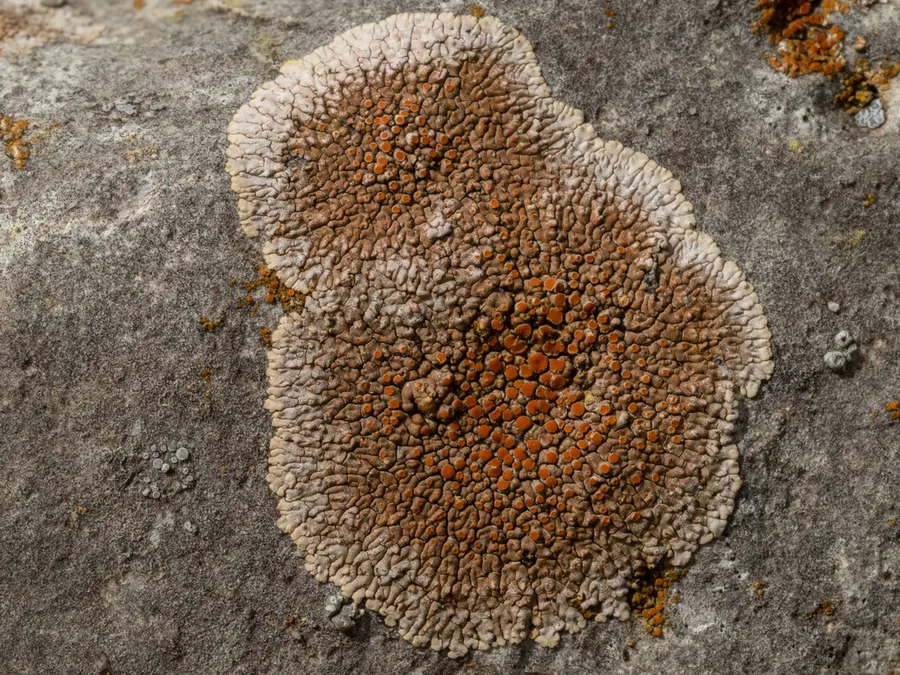
Squamulea galactophylla, unlike most species of the genus Squamulea, can be distinguished from other species without resorting to molecular phylogenetic analysis. Here are key, relatively easy to see features of the species: The rock-inhabiting lichen body, or thallus, is squamulose, and dirty-whitish with a kind of frosty, or pruinose appearance. The thallus's outside margin is only slightly lobed. The spore-producing disc, or apothecium, is cinnamon-brown to somewhat golden or red-orange. Its flat surface is up to 1 mm in diameter. Around the apothecium top's edge there is tiny collar-like rim, the "thalline margin." There are no soredia, but pycnidia are present, usually immersed in tissue. A chemical spot test when adding potassium hydroxide causes a color change (K+) to red.
Habitat dan peran ekologis
In the US, Squamulea galactophylla occurs from Minnesota and Wisconsin in the north, south to Texas and then west through Arizona to southern California. In Mexico it is found in the north, including Baja California, and southward through the eastern states, Squamulea galactophylla occurs on both calcareous and noncalcareous rocks.
- Habitat atau konteks temuan
- Informasi belum tersedia pada sumber rilis ini.
- Substrat
- Informasi belum tersedia pada sumber rilis ini.
- Peran atau konteks
- Pembentuk liken
Reproduksi
The rock-inhabiting lichen body, or thallus, is squamulose, and dirty-whitish with a kind of frosty, or pruinose appearance. The thallus's outside margin is only slightly lobed. The spore-producing disc, or apothecium, is cinnamon-brown to somewhat golden or red-orange. Its flat surface is up to 1 mm in diameter. Around the apothecium top's edge there is tiny collar-like rim, the "thalline margin." There are no soredia, but pycnidia are present, usually immersed in tissue. A chemical spot test when adding potassium hydroxide causes a color change (K+) to red.
Catatan identitas dan cakupan
- Nama diterima mengikuti Catalogue of Life Base2026-09-11; uraian mempertahankan konsep dan nama sumber aslinya.
- Original geographic, specimen and life-cycle scope retained; source import awaits individual editorial review.
- Impor dan terjemahan otomatis belum diperiksa editorial per profil. Struktur reproduktif yang disebutkan tidak membuktikan seluruh siklus hidup diketahui.
- Pengukuran pada uraian mengikuti spesimen, kultur, dan metode sumber; angka tidak diperluas ke semua populasi.
Catatan distribusi dalam narasi mengikuti sumbernya. Dokumentasi spesimen atau foto mengikuti catatan sumber. Bukti wilayah Indonesia dan penilaian konservasi tidak disimpulkan dari gambar.
Melihat dengan konteks
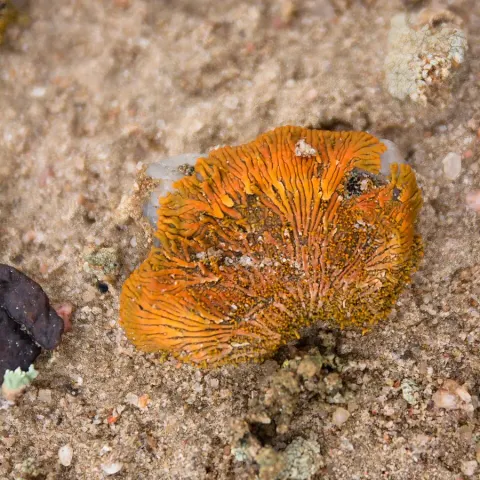
Dokumentasi Squamulea galactophylla menurut asosiasi foto pada record takson iNaturalist. Kredit: Turner Brockman. Identitas mengikuti sumber; bukan penentuan spesimen independen.
- Jenis
- Fotografi
- Kredit
- (c) Turner Brockman, some rights reserved (CC BY-SA)
- Lisensi
- CC BY-SA 4.0
- Sumber media
- Buka entri sumber
Dokumentasi tambahan
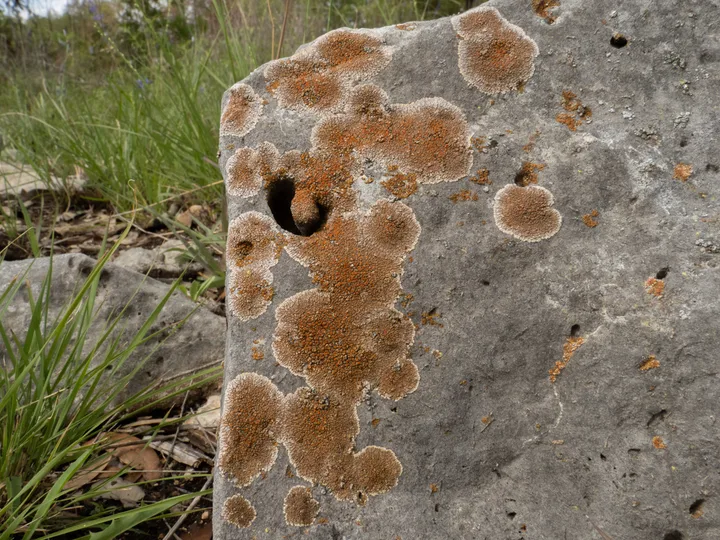
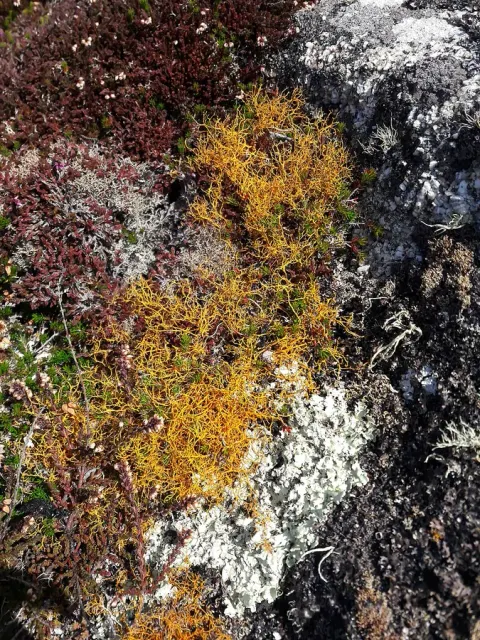
Foto yang diasosiasikan dengan Squamulea galactophylla pada iNaturalist. Identifikasi mengikuti sumber; bukan penentuan spesimen independen.
Kredit dan penggunaan
(c) Turner Brockman, some rights reserved (CC BY-SA)
Ukuran dan format gambar disesuaikan tanpa pemotongan, retus, atau penambahan skala. Lisensi sumber dipertahankan.
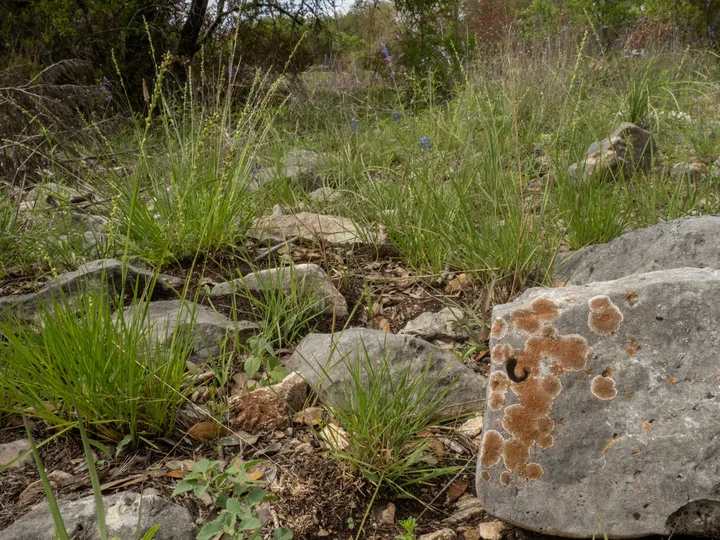
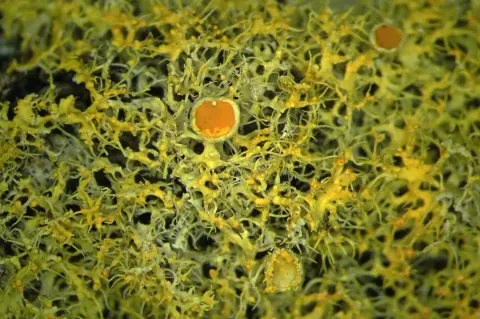
Foto yang diasosiasikan dengan Squamulea galactophylla pada iNaturalist. Identifikasi mengikuti sumber; bukan penentuan spesimen independen.
Kredit dan penggunaan
(c) Turner Brockman, some rights reserved (CC BY-SA)
Ukuran dan format gambar disesuaikan tanpa pemotongan, retus, atau penambahan skala. Lisensi sumber dipertahankan.
Sumber profil
- [1] Squamulea galactophylla — Wikipedia (en)
- [2] Catalogue of Life Base2026-09-11 — Squamulea galactophylla
- [3] Dokumentasi visual — Squamulea galactophylla
- [4] Dokumentasi visual — Squamulea galactophylla
- [5] Dokumentasi visual — Squamulea galactophylla
Rujukan halaman ini
Fungi. Squamulea galactophylla. Rilis data fungi-2026-10-12-expansion-2. https://fungi-atlas.mgadib.chatgpt.site/jamur/squamulea-galactophylla/.
Status: impor sumber; pemeriksaan editorial per profil belum selesai. Untuk klaim biologis, gunakan rujukan pada bagian terkait dan periksa konteks sumber aslinya.