Ciri dan struktur
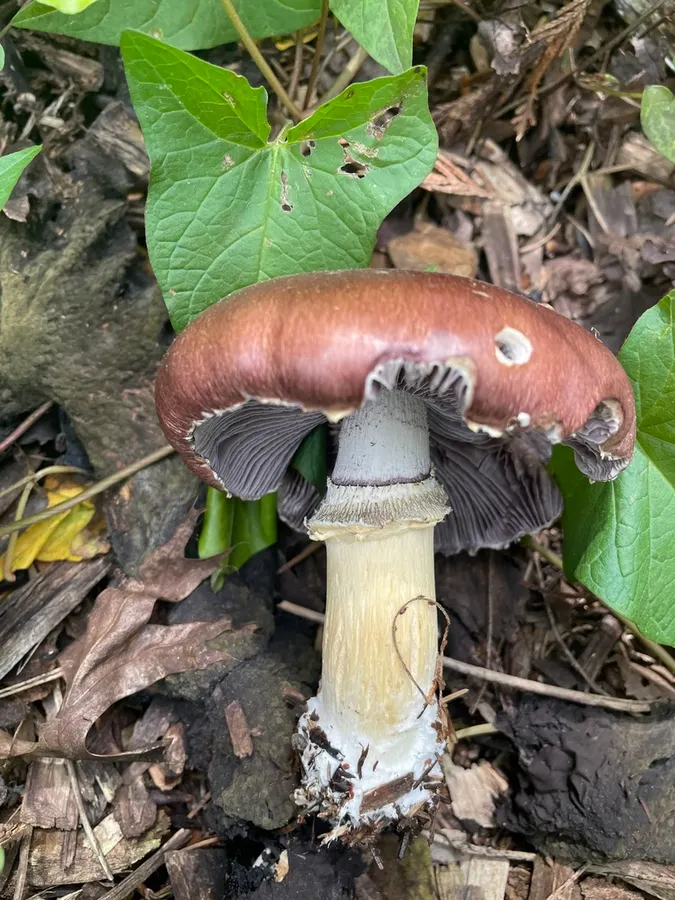
The mushroom can grow to 20 cm high with a reddish-brown convex to flattening cap up to 30 cm across, the size leading to another colloquial name godzilla mushroom. The gills are typically adnate, initially pale, then grey and finally dark purple-brown in colour. The spore print is dark purple-brown to black. The firm flesh is white, as is the tall stem, which bears a wrinkled ring.
Habitat dan peran ekologis
The species is found on wood chips across North America in summer and autumn. It is also found in Europe, and has been introduced to Australia and New Zealand. Paul Stamets's book Mycelium Running cites a study by Christiane Pischl showing that the species makes an excellent garden companion to corn. The fungus also has a history of being grown with corn in Europe. A 2006 study, published in the journal Applied and Environmental Microbiology, found the species to have the ability to attack the nematode Panagrellus redivivus; the fungus produces spiny cells called acanthocytes, which are able to immobilise and digest the nematodes.
- Habitat atau konteks temuan
- Informasi belum tersedia pada sumber rilis ini.
- Substrat
- kayu
- Peran atau konteks
- Belum dikategorikan pada rilis ini.
Reproduksi
The mushroom can grow to 20 cm high with a reddish-brown convex to flattening cap up to 30 cm across, the size leading to another colloquial name godzilla mushroom. The gills are typically adnate, initially pale, then grey and finally dark purple-brown in colour. The spore print is dark purple-brown to black.
Catatan identitas dan cakupan
- Nama diterima mengikuti Catalogue of Life Base2026-09-11; uraian mempertahankan konsep dan nama sumber aslinya.
- Original geographic, specimen and life-cycle scope retained; source import awaits individual editorial review.
- Impor dan terjemahan otomatis belum diperiksa editorial per profil. Struktur reproduktif yang disebutkan tidak membuktikan seluruh siklus hidup diketahui.
- Pengukuran pada uraian mengikuti spesimen, kultur, dan metode sumber; angka tidak diperluas ke semua populasi.
Catatan distribusi dalam narasi mengikuti sumbernya. Dokumentasi spesimen atau foto mengikuti catatan sumber. Bukti wilayah Indonesia dan penilaian konservasi tidak disimpulkan dari gambar.
Melihat dengan konteks
Dokumentasi Stropharia rugosoannulata menurut asosiasi foto pada record takson iNaturalist. Kredit: Annie Weissman. Identitas mengikuti sumber; bukan penentuan spesimen independen.
- Jenis
- Fotografi
- Kredit
- (c) Annie Weissman, some rights reserved (CC BY), uploaded by Annie Weissman
- Lisensi
- CC BY 4.0
- Sumber media
- Buka entri sumber
Dokumentasi tambahan
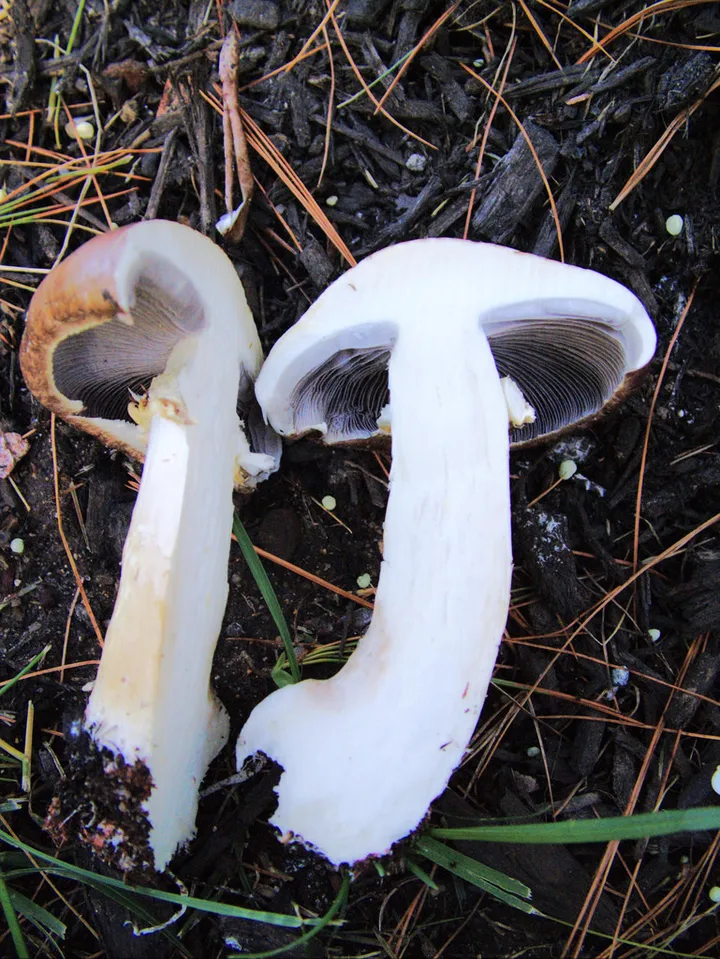
Foto yang diasosiasikan dengan Stropharia rugosoannulata pada iNaturalist. Identifikasi mengikuti sumber; bukan penentuan spesimen independen.
Kredit dan penggunaan
(c) apa3a, some rights reserved (CC BY)
Ukuran dan format gambar disesuaikan tanpa pemotongan, retus, atau penambahan skala. Lisensi sumber dipertahankan.
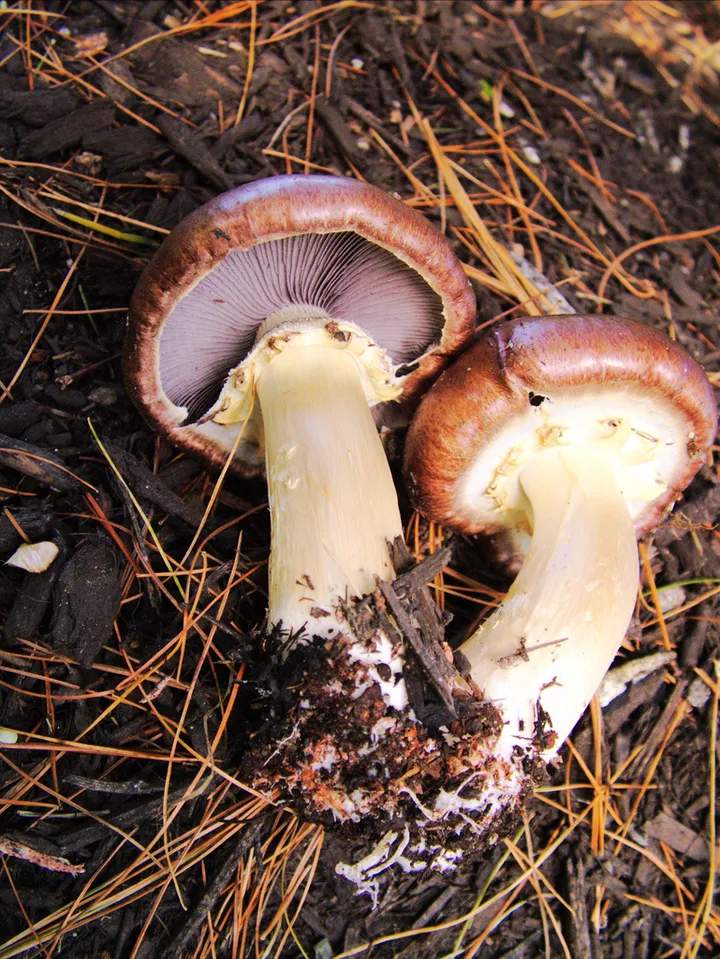
Foto yang diasosiasikan dengan Stropharia rugosoannulata pada iNaturalist. Identifikasi mengikuti sumber; bukan penentuan spesimen independen.
Kredit dan penggunaan
(c) apa3a, some rights reserved (CC BY)
Ukuran dan format gambar disesuaikan tanpa pemotongan, retus, atau penambahan skala. Lisensi sumber dipertahankan.
Sumber profil
- [1] Stropharia rugosoannulata — Wikipedia (en)
- [2] Catalogue of Life Base2026-09-11 — Stropharia rugosoannulata
- [3] Dokumentasi visual — Stropharia rugosoannulata
- [4] Dokumentasi visual — Stropharia rugosoannulata
- [5] Dokumentasi visual — Stropharia rugosoannulata
Rujukan halaman ini
Fungi. Stropharia rugosoannulata. Rilis data fungi-2026-10-12-expansion-2. https://fungi-atlas.mgadib.chatgpt.site/jamur/stropharia-rugosoannulata/.
Status: impor sumber; pemeriksaan editorial per profil belum selesai. Untuk klaim biologis, gunakan rujukan pada bagian terkait dan periksa konteks sumber aslinya.