Ciri dan struktur
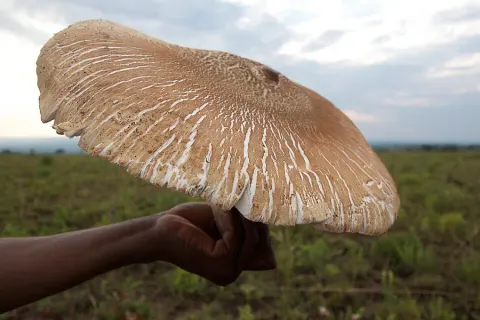
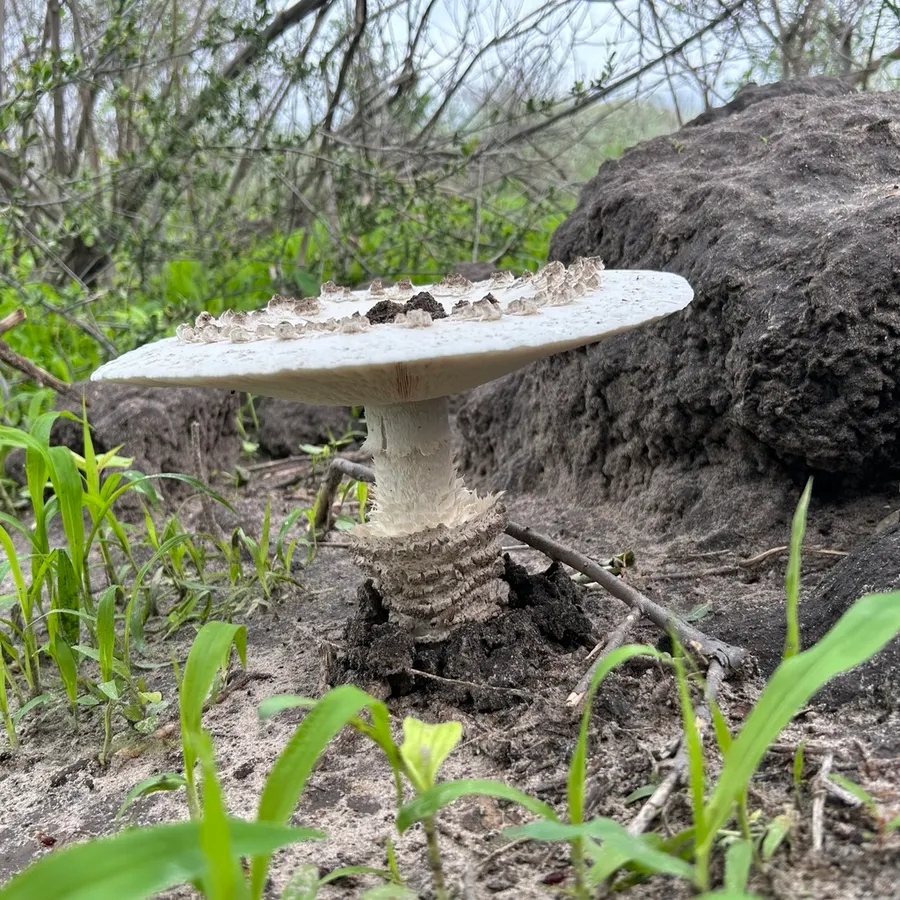
Termitomyces schimperi can grow to the size of a "large frying pan". When they emerge, the fruitbody of the fungus are the "size of a man’s fist", before rapidly expanding to 15–28 cm and sometimes reaching 40 cm in diameter. The tops are white. Yellowish to red-brown discolouration of the thick soft scales may occur by the mound soil. Below the top most layer, the scales are white. The pseudorhiza (a cord-like structure resembling a plant root) is narrower at its origin in the termite nest, and may be as long as 90 cm. Its consistency above ground is less dense. The sporocarps can be seen in groups of 5–10 around the lower parts of termite mound, and grow to around 50 cm above soil level. Up to 50 sporocarps have been reported around a single mound. The Termitomyces schimperi usually appear after soaking rains of 12 mm or more during spring, but the main crop develops during January to March which is the main rainy season. If the hyphae remain in the mound when harvested, they may grow on the same termite mound for many years. The termites consume the partial veil following maturation of the fungus.
Habitat dan peran ekologis
Termitomyces schimperi can grow to the size of a "large frying pan". When they emerge, the fruitbody of the fungus are the "size of a man’s fist", before rapidly expanding to 15–28 cm and sometimes reaching 40 cm in diameter. The tops are white. Yellowish to red-brown discolouration of the thick soft scales may occur by the mound soil. Below the top most layer, the scales are white. The pseudorhiza (a cord-like structure resembling a plant root) is narrower at its origin in the termite nest, and may be as long as 90 cm. Its consistency above ground is less dense. The sporocarps can be seen in groups of 5–10 around the lower parts of termite mound, and grow to around 50 cm above soil level. Up to 50 sporocarps have been reported around a single mound. The Termitomyces schimperi usually appear after soaking rains of 12 mm or more during spring, but the main crop develops during January to March which is the main rainy season. If the hyphae remain in the mound when harvested, they may grow on the same termite mound for many years. The termites consume the partial veil following maturation of the fungus. In Zambia the Termitomyces schimperi can also be found on termite mounds of the termite Odontotermes patruus (Sjöstedt, 1913).
- Habitat atau konteks temuan
- Informasi belum tersedia pada sumber rilis ini.
- Substrat
- Informasi belum tersedia pada sumber rilis ini.
- Peran atau konteks
- Belum dikategorikan pada rilis ini.
Reproduksi
Termitomyces schimperi can grow to the size of a "large frying pan". When they emerge, the fruitbody of the fungus are the "size of a man’s fist", before rapidly expanding to 15–28 cm and sometimes reaching 40 cm in diameter. The tops are white. Yellowish to red-brown discolouration of the thick soft scales may occur by the mound soil. Below the top most layer, the scales are white. The pseudorhiza (a cord-like structure resembling a plant root) is narrower at its origin in the termite nest, and may be as long as 90 cm. Its consistency above ground is less dense. The sporocarps can be seen in groups of 5–10 around the lower parts of termite mound, and grow to around 50 cm above soil level. Up to 50 sporocarps have been reported around a single mound.
Catatan identitas dan cakupan
- Nama diterima mengikuti Catalogue of Life Base2026-09-11; uraian mempertahankan konsep dan nama sumber aslinya.
- Original geographic, specimen and life-cycle scope retained; source import awaits individual editorial review.
- Impor dan terjemahan otomatis belum diperiksa editorial per profil. Struktur reproduktif yang disebutkan tidak membuktikan seluruh siklus hidup diketahui.
- Pengukuran pada uraian mengikuti spesimen, kultur, dan metode sumber; angka tidak diperluas ke semua populasi.
Catatan distribusi dalam narasi mengikuti sumbernya. Dokumentasi spesimen atau foto mengikuti catatan sumber. Bukti wilayah Indonesia dan penilaian konservasi tidak disimpulkan dari gambar.
Melihat dengan konteks
Dokumentasi Termitomyces schimperi menurut asosiasi foto pada record takson iNaturalist. Kredit: Fotografer tidak dicantumkan. Sumber observasi iNaturalist; pengunggah: Riana Fourie. Identitas mengikuti sumber; bukan penentuan spesimen independen.
- Jenis
- Fotografi
- Kredit
- Fotografer tidak dicantumkan. Sumber observasi iNaturalist; pengunggah: Riana Fourie
- Lisensi
- CC0 1.0
- Sumber media
- Buka entri sumber
Dokumentasi tambahan
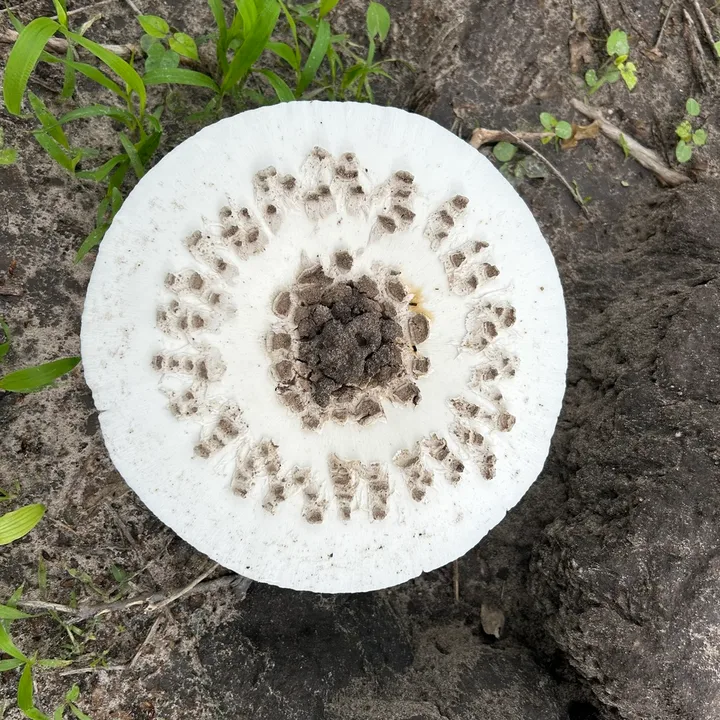
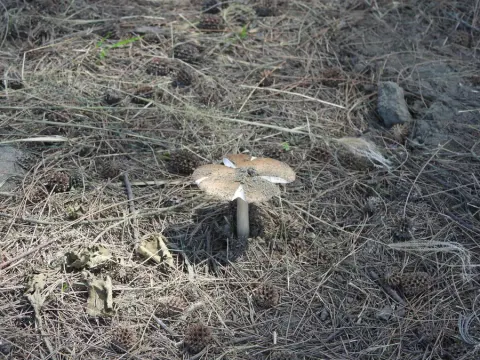
Foto yang diasosiasikan dengan Termitomyces schimperi pada iNaturalist. Identifikasi mengikuti sumber; bukan penentuan spesimen independen.
Kredit dan penggunaan
no rights reserved
Ukuran dan format gambar disesuaikan tanpa pemotongan, retus, atau penambahan skala. Lisensi sumber dipertahankan.
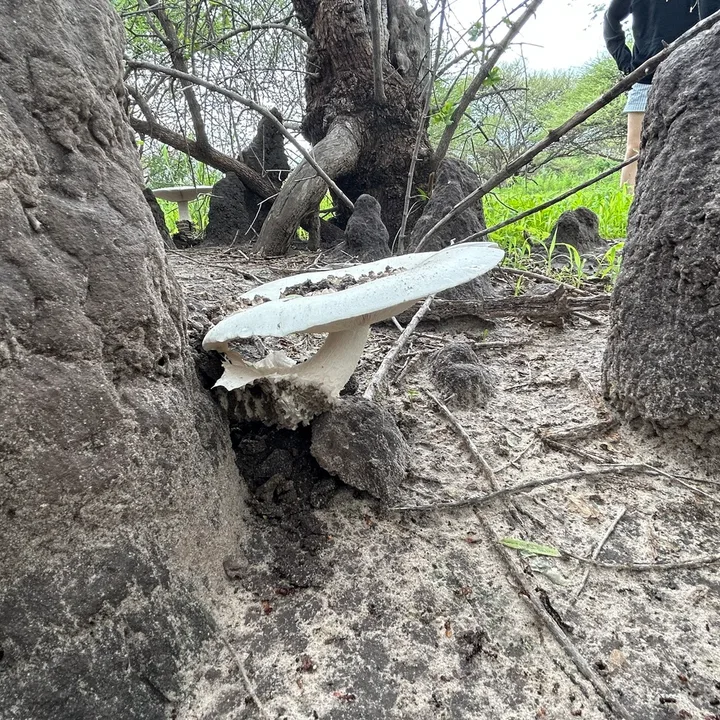
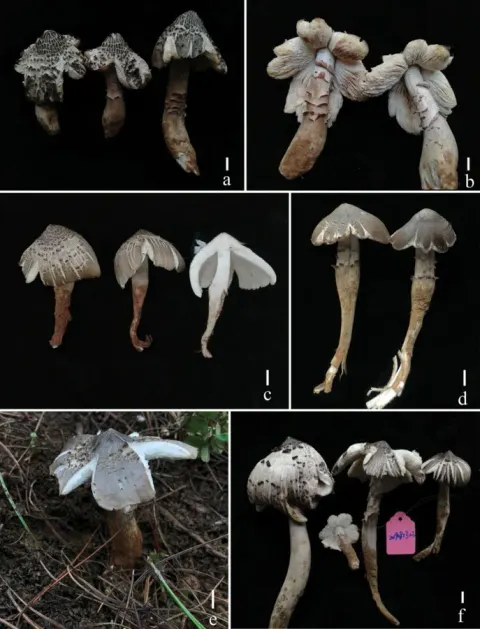
Foto yang diasosiasikan dengan Termitomyces schimperi pada iNaturalist. Identifikasi mengikuti sumber; bukan penentuan spesimen independen.
Kredit dan penggunaan
no rights reserved
Ukuran dan format gambar disesuaikan tanpa pemotongan, retus, atau penambahan skala. Lisensi sumber dipertahankan.
Sumber profil
- [1] Termitomyces schimperi — Wikipedia (en)
- [2] Catalogue of Life Base2026-09-11 — Termitomyces schimperi
- [3] Dokumentasi visual — Termitomyces schimperi
- [4] Dokumentasi visual — Termitomyces schimperi
- [5] Dokumentasi visual — Termitomyces schimperi
Rujukan halaman ini
Fungi. Termitomyces schimperi. Rilis data fungi-2026-10-12-expansion-2. https://fungi-atlas.mgadib.chatgpt.site/jamur/termitomyces-schimperi/.
Status: impor sumber; pemeriksaan editorial per profil belum selesai. Untuk klaim biologis, gunakan rujukan pada bagian terkait dan periksa konteks sumber aslinya.