Ciri dan struktur
Tolypocladium inflatum occurs most commonly in soil or leaf litter, particularly at high latitudes in cold soils. The species is characterized by spherically swollen phialides that are terminated with narrow necks bearing subglobose conidia. T. inflatum is highly tolerant of lead and has been found to dominate the mycota of lead-contaminated soils. A study conducted by Baath et al. found that 35% of the fungal isolates recovered from lead-laden soil were T. inflatum. In 1996, Kathie Hodge of Cornell University and colleagues determined that the mold T. inflatum was the asexual state of what was then known as Cordyceps subsessilis. Cordyceps subsessilis was later moved to the genus Elaphocordyceps. However, under the ICN's 2011 "one fungus, one name" principle, fungi can not have different names for their anamorphic and teleomorphic stages if they are found to be the same species so Elaphocordyceps subsessilis was made a synonym of Tolypocladium inflatum. The genome of the T. inflatum strain/isolate NRRL 8044 (ATCC 34921) was sequenced and published in 2013 by Bushley and colleagues. This was the same strain from which the ciclosporin was first isolated.
Habitat dan peran ekologis
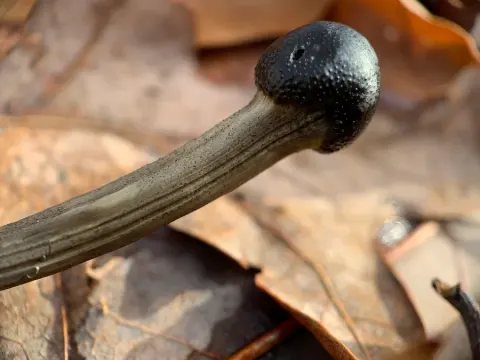
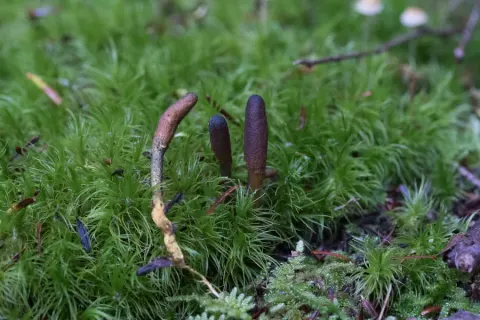
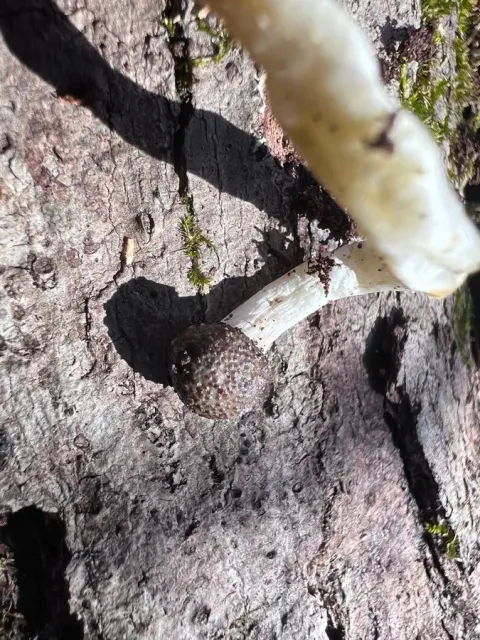
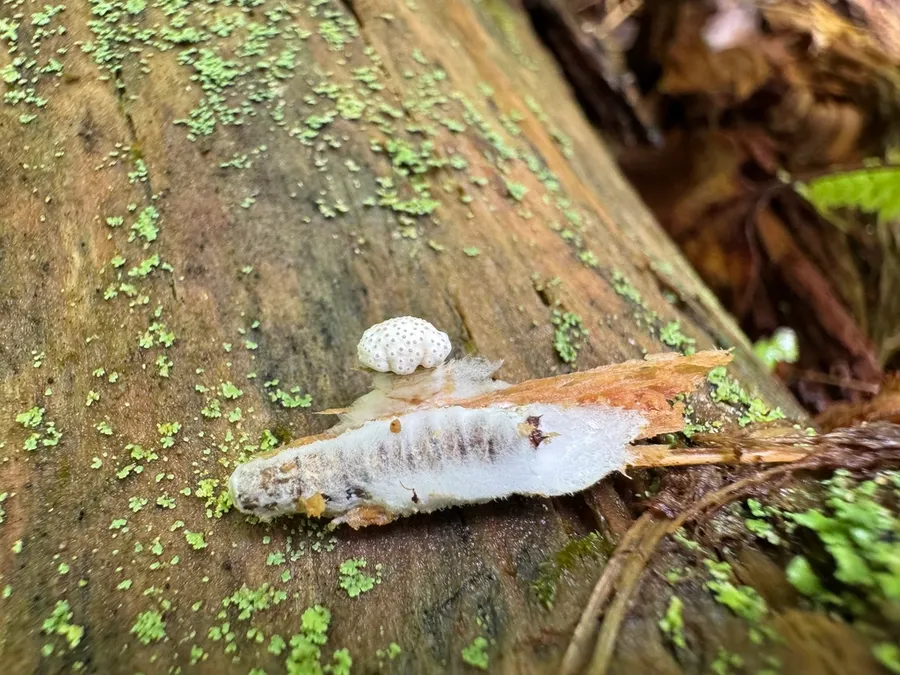
Tolypocladium inflatum is an ascomycete fungus originally isolated from a Norwegian soil sample that, under certain conditions, produces the immunosuppressant drug ciclosporin. In its sexual stage (teleomorph) it is a parasite on scarab beetles. It forms a small, compound ascocarp that arises from the cadaver of its host beetle. In its asexual stage (anamorph) it is a white mold that grows on soil. It is much more commonly found in its asexual stage and this is the stage that was originally given the name Tolypocladium inflatum.
- Habitat atau konteks temuan
- Informasi belum tersedia pada sumber rilis ini.
- Substrat
- tanah
- Peran atau konteks
- Belum dikategorikan pada rilis ini.
Reproduksi
Tolypocladium inflatum occurs most commonly in soil or leaf litter, particularly at high latitudes in cold soils. The species is characterized by spherically swollen phialides that are terminated with narrow necks bearing subglobose conidia. T. inflatum is highly tolerant of lead and has been found to dominate the mycota of lead-contaminated soils. A study conducted by Baath et al. found that 35% of the fungal isolates recovered from lead-laden soil were T. inflatum. In 1996, Kathie Hodge of Cornell University and colleagues determined that the mold T. inflatum was the asexual state of what was then known as Cordyceps subsessilis. Cordyceps subsessilis was later moved to the genus Elaphocordyceps.
Catatan identitas dan cakupan
- Nama diterima mengikuti Catalogue of Life Base2026-09-11; uraian mempertahankan konsep dan nama sumber aslinya.
- Original geographic, specimen and life-cycle scope retained; source import awaits individual editorial review.
- Impor dan terjemahan otomatis belum diperiksa editorial per profil. Struktur reproduktif yang disebutkan tidak membuktikan seluruh siklus hidup diketahui.
- Pengukuran pada uraian mengikuti spesimen, kultur, dan metode sumber; angka tidak diperluas ke semua populasi.
Catatan distribusi dalam narasi mengikuti sumbernya. Dokumentasi spesimen atau foto mengikuti catatan sumber. Bukti wilayah Indonesia dan penilaian konservasi tidak disimpulkan dari gambar.
Melihat dengan konteks
Dokumentasi Tolypocladium inflatum menurut asosiasi foto pada record takson iNaturalist. Kredit: SiphonophoreSlinger. Identitas mengikuti sumber; bukan penentuan spesimen independen.
- Jenis
- Fotografi
- Kredit
- (c) SiphonophoreSlinger, some rights reserved (CC BY)
- Lisensi
- CC BY 4.0
- Sumber media
- Buka entri sumber
Dokumentasi tambahan
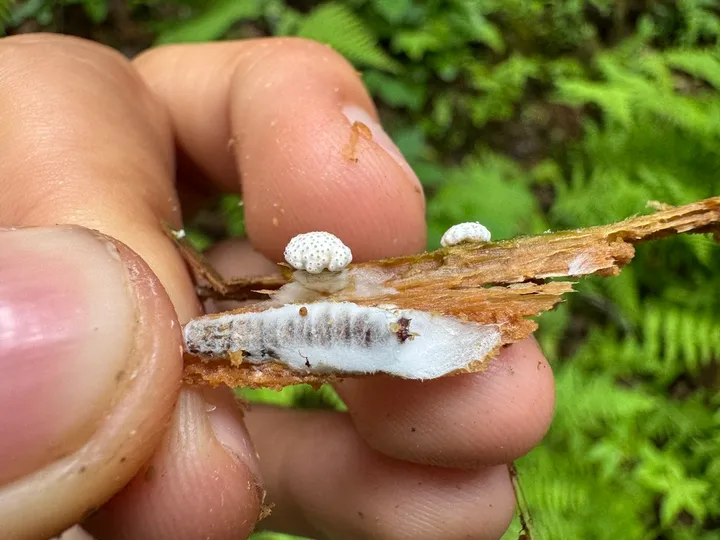
Foto yang diasosiasikan dengan Tolypocladium inflatum pada iNaturalist. Identifikasi mengikuti sumber; bukan penentuan spesimen independen.
Kredit dan penggunaan
(c) SiphonophoreSlinger, some rights reserved (CC BY)
Ukuran dan format gambar disesuaikan tanpa pemotongan, retus, atau penambahan skala. Lisensi sumber dipertahankan.
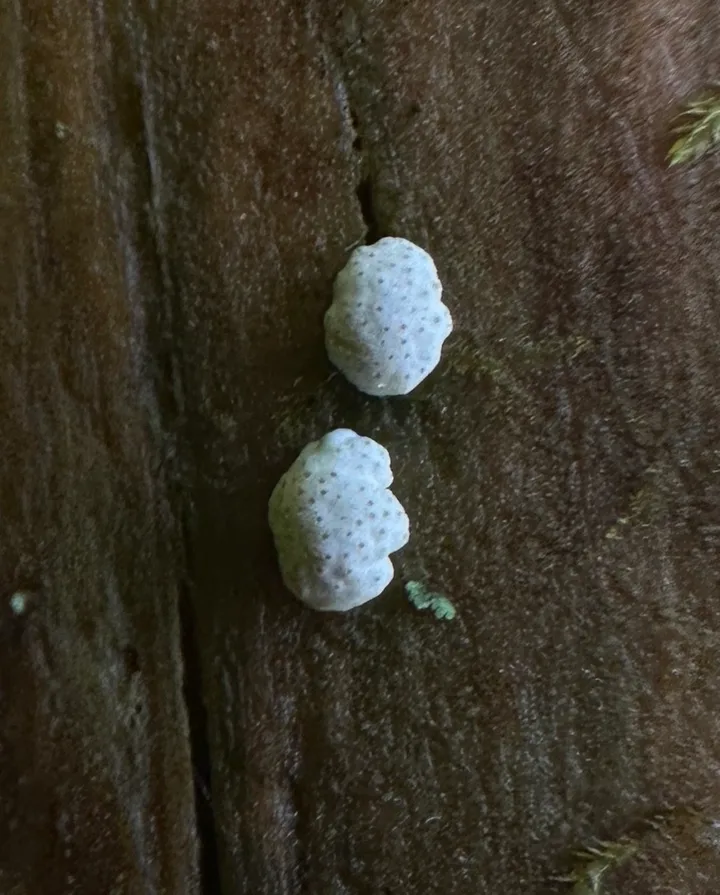
Foto yang diasosiasikan dengan Tolypocladium inflatum pada iNaturalist. Identifikasi mengikuti sumber; bukan penentuan spesimen independen.
Kredit dan penggunaan
(c) SiphonophoreSlinger, some rights reserved (CC BY)
Ukuran dan format gambar disesuaikan tanpa pemotongan, retus, atau penambahan skala. Lisensi sumber dipertahankan.
Sumber profil
- [1] Tolypocladium inflatum — Wikipedia (en)
- [2] Catalogue of Life Base2026-09-11 — Tolypocladium inflatum
- [3] Dokumentasi visual — Tolypocladium inflatum
- [4] Dokumentasi visual — Tolypocladium inflatum
- [5] Dokumentasi visual — Tolypocladium inflatum
Rujukan halaman ini
Fungi. Tolypocladium inflatum. Rilis data fungi-2026-10-12-expansion-2. https://fungi-atlas.mgadib.chatgpt.site/jamur/tolypocladium-inflatum/.
Status: impor sumber; pemeriksaan editorial per profil belum selesai. Untuk klaim biologis, gunakan rujukan pada bagian terkait dan periksa konteks sumber aslinya.