01 / Morfologi

Ciri dan struktur

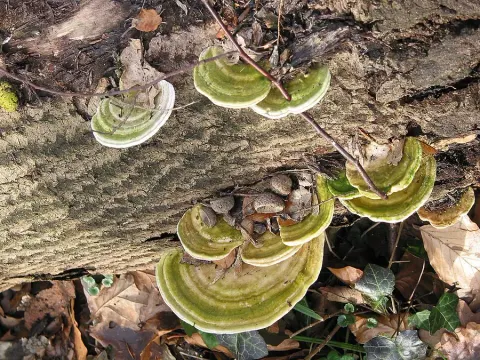
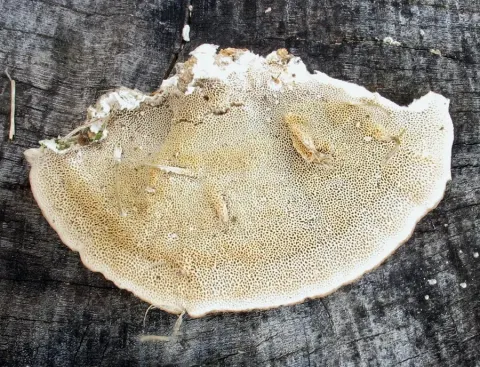
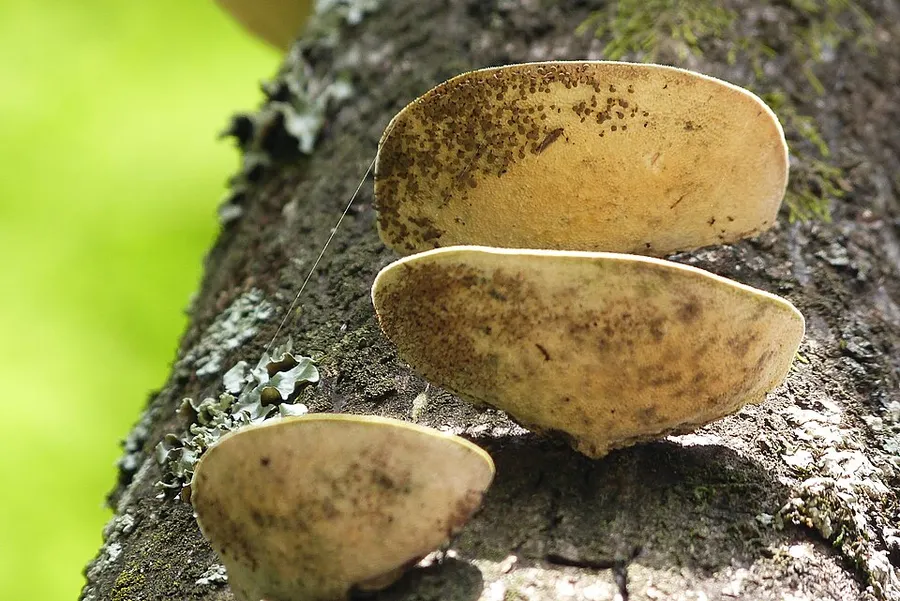
The basidiocarp of T. elegans is brown with narrow semi-dadeloid pores. The pore surface is yellow, with a dark line separating the lower context and the upper tomentum. Defining characteristics of T. elegans include skeletal hyphae, thin-walled basidiospores, and a poroid hymenophore. The fruiting body of T. elegans is leathery and grows alone on dead wood. It is off-white, velvety, and has aerial hyphae in secondary mycelial culture.

Sebagian uraian ditampilkan dalam bahasa sumber; terjemahannya belum tersedia atau belum lolos pemeriksaan.

Rujukan: [1]

Pengukuran mengikuti objek, spesimen atau kultur, dan metode yang disebutkan sumber. Baca uraian asli untuk konteks lengkap.

02 / Kehidupan

Habitat dan peran ekologis

T. elegans memiliki hubungan kommensal dengan berbagai tanaman tuan rumah di mana ia memberikan perlindungan terhadap tumbuhan dari serangan dari patogen lain. Selain itu, T. elegans adalah endofitis. T. elegans lebih memilih rentang suhu menengah sekitar 25-35 °C dan dapat tumbuh baik di tanah maupun di media sintetis. Selain itu, mereka lebih suka tinggal di hutan tropis yang membusuk dan daunnya berkarat. They prefer hutan kayu keras. Trametes elegans paling umum di hutan kayu keras tropis. Places where terjadi termasuk Afrika Barat, Australia, Selandia Baru, Jepang, dan Amerika Serikat selatan.

Rujukan: [1]

Habitat atau konteks temuan
hutan
Substrat
Informasi belum tersedia pada sumber rilis ini.
Peran atau konteks
Belum dikategorikan pada rilis ini.
Temukan hubungan serupa
03 / Siklus hidup

Reproduksi

The basidiocarp of T. elegans is brown with narrow semi-dadeloid pores. The pore surface is yellow, with a dark line separating the lower context and the upper tomentum. Defining characteristics of T. elegans include skeletal hyphae, thin-walled basidiospores, and a poroid hymenophore. The fruiting body of T. elegans is leathery and grows alone on dead wood. It is off-white, velvety, and has aerial hyphae in secondary mycelial culture.

Sebagian uraian ditampilkan dalam bahasa sumber; terjemahannya belum tersedia atau belum lolos pemeriksaan.

Rujukan: [1]

Sinonim menurut acuan taksonomi rilis: Artolenzites elegans; Daedalea elegans; Daedaleopsis elegans; Lenzites elegans; Whitfordia elegans
04 / Batas informasi

Catatan identitas dan cakupan

  • Nama diterima mengikuti Catalogue of Life Base2026-09-11; uraian mempertahankan konsep dan nama sumber aslinya.
  • Original geographic, specimen and life-cycle scope retained; source import awaits individual editorial review.
  • Impor dan terjemahan otomatis belum diperiksa editorial per profil. Struktur reproduktif yang disebutkan tidak membuktikan seluruh siklus hidup diketahui.
  • Pengukuran pada uraian mengikuti spesimen, kultur, dan metode sumber; angka tidak diperluas ke semua populasi.

Catatan distribusi dalam narasi mengikuti sumbernya. Dokumentasi spesimen atau foto mengikuti catatan sumber. Bukti wilayah Indonesia dan penilaian konservasi tidak disimpulkan dari gambar.

05 / Dokumentasi

Melihat dengan konteks

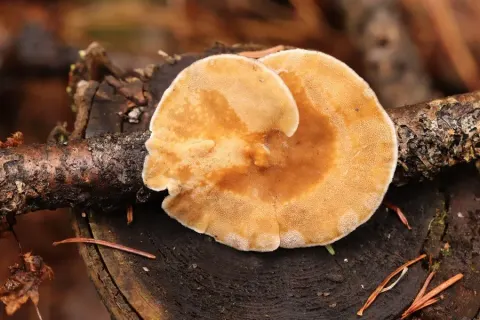
Dokumentasi Trametes elegans dari Wikimedia Commons. Foto tirada em Mairiporã - SP Identifikasi mengikuti record berkas sumber.

Jenis
Fotografi
Kredit
Evaldo Resende
Sumber media
Buka entri sumber

Gambar menunjukkan objek menurut identifikasi sumber, bukan verifikasi independen spesimen oleh Fungi. Tidak ada skala baru yang ditambahkan.

06 / Rujukan

Sumber profil

  1. [1] Trametes elegans — Wikipedia (en)Bagian sumber: Frozen revision 1325111743
    Tanggal penghimpunan sumber: 2026-10-12
    Teks sumber: CC BY-SA4.0 · Wikipedia contributors
  2. [2] Catalogue of Life Base2026-09-11 — Trametes elegansBagian sumber: ColDP NameUsage.tsv ID 7CMYY; accepted species; source 2073
    Tanggal penghimpunan sumber: 2026-10-12
  3. [3] Dokumentasi visual — Trametes elegansBagian sumber: Individual media record; identification follows the source, not independent determination
    Tanggal penghimpunan sumber: 2026-10-12
    Media sumber: CC BY-SA 4.0 · Evaldo Resende

Adaptasi teks: CC BY-SA 4.0. Wikipedia contributors — Trametes elegans — Wikipedia (en)

Uraian asli dan riwayat sumber

Riwayat atau halaman sumber

Ringkasan sumber

The basidiocarp of T. elegans is brown with narrow semi-dadeloid pores. The pore surface is yellow, with a dark line separating the lower context and the upper tomentum. Defining characteristics of T. elegans include skeletal hyphae, thin-walled basidiospores, and a poroid hymenophore. The fruiting body of T. elegans is leathery and grows alone on dead wood. It is off-white, velvety, and has aerial hyphae in secondary mycelial culture.

Revisi sumber

Morfologi sumber

The basidiocarp of T. elegans is brown with narrow semi-dadeloid pores. The pore surface is yellow, with a dark line separating the lower context and the upper tomentum. Defining characteristics of T. elegans include skeletal hyphae, thin-walled basidiospores, and a poroid hymenophore. The fruiting body of T. elegans is leathery and grows alone on dead wood. It is off-white, velvety, and has aerial hyphae in secondary mycelial culture.

Revisi sumber

Ekologi sumber

T. elegans shares a commensalistic relationship with various host plants where it provides protection to the plant against assault from other pathogens. Additionally, T. elegans is endophytic. T. elegans prefers an intermediate temperature range of around 25-35 °C and can grow in both the soil and on synthetic media. Additionally, they prefer to inhabit rotting wood and leaf litter in tropical forests. They prefer hardwood forests. Trametes elegans is most common in tropical hardwood forests. Places where it occurs include West Africa, Australia, New Zealand, Japan, and the southern United States.

Revisi sumber

Struktur reproduksi sumber

The basidiocarp of T. elegans is brown with narrow semi-dadeloid pores. The pore surface is yellow, with a dark line separating the lower context and the upper tomentum. Defining characteristics of T. elegans include skeletal hyphae, thin-walled basidiospores, and a poroid hymenophore. The fruiting body of T. elegans is leathery and grows alone on dead wood. It is off-white, velvety, and has aerial hyphae in secondary mycelial culture.

Revisi sumber

Rujukan halaman ini

Fungi. Trametes elegans. Rilis data fungi-2026-10-12-expansion-2. https://fungi-atlas.mgadib.chatgpt.site/jamur/trametes-elegans/.

Status: impor sumber; pemeriksaan editorial per profil belum selesai. Untuk klaim biologis, gunakan rujukan pada bagian terkait dan periksa konteks sumber aslinya.