01 / Morfologi

Ciri dan struktur

Podospora anserina is a filamentous ascomycete fungus from the order Sordariales. It is considered a model organism for the study of molecular biology of senescence (aging), prions, sexual reproduction, and meiotic drive. It has an obligate sexual and pseudohomothallic life cycle. It is a non-pathogenic coprophilous fungus that colonizes the dung of herbivorous animals such as horses, rabbits, cows and sheep. Podospora is a model organism to study genetics, aging (senescence, cell degeneration), ascomycete development, heterokaryon incompatibility, mating in fungi, prions, and mitochondrial and peroxisomal physiology. Podospora is easily culturable on complex (full) potato dextrose, cornmeal agar/broth, or even synthetic medium, and, using modern molecular tools, is easy to manipulate. Its optimal growth temperature is 25 - 27 C and can complete its life cycle in 7 to 11 days under laboratory conditions. In addition, two other populations have been sampled, one in Usingen, Germany, and the other in Wageningen, the Netherlands, both of which have been used to study spore killing, the phenotypic expression of meiotic drive in fungi. ΔiΔviv is an immortal strain that shows no sign of senescence. It produces yellow pigmentation. Lack of viv increased life span in days by a factor of 2.3 compared to the wild type and lack of i by 1.6. However, strain ΔiΔviv showed no senescence during the whole study and was vegetative for over a year. These genes are synergistic and are physically closely linked. AL2 is a long-lived strain. Insertion of linear mitochondrial plasmid containing al-2 show increased life span.

Sebagian uraian ditampilkan dalam bahasa sumber; terjemahannya belum tersedia atau belum lolos pemeriksaan.

Rujukan: [1]

Pengukuran mengikuti objek, spesimen atau kultur, dan metode yang disebutkan sumber. Baca uraian asli untuk konteks lengkap.

02 / Kehidupan

Habitat dan peran ekologis

Senescence occurs because during respiration reactive oxygen species are produced that limit the life span and over time defective mitochondrial DNA can accumulate. With this knowledge, focus turned to nutrition availability, respiration (ATP synthesis) and oxidases, such as cytochrome c oxidase. Carotenoids, pigments that are also found in plants and provide health benefits to humans, are known to be in fungi like Podospora's divergent ancestor Neurospora crassa; in N. crassa (and other fungi) cartenoids al genes namely provide UV radiation protection. Over-expression of al-2 Podospora anserina increased life span by 31%.

Sebagian uraian ditampilkan dalam bahasa sumber; terjemahannya belum tersedia atau belum lolos pemeriksaan.

Rujukan: [1]

Habitat atau konteks temuan
Informasi belum tersedia pada sumber rilis ini.
Substrat
Informasi belum tersedia pada sumber rilis ini.
Peran atau konteks
Belum dikategorikan pada rilis ini.
Temukan hubungan serupa
03 / Siklus hidup

Reproduksi

Podospora anserina is a filamentous ascomycete fungus from the order Sordariales. It is considered a model organism for the study of molecular biology of senescence (aging), prions, sexual reproduction, and meiotic drive. It has an obligate sexual and pseudohomothallic life cycle. It is a non-pathogenic coprophilous fungus that colonizes the dung of herbivorous animals such as horses, rabbits, cows and sheep. In addition, two other populations have been sampled, one in Usingen, Germany, and the other in Wageningen, the Netherlands, both of which have been used to study spore killing, the phenotypic expression of meiotic drive in fungi. ΔiΔviv is an immortal strain that shows no sign of senescence.

Sebagian uraian ditampilkan dalam bahasa sumber; terjemahannya belum tersedia atau belum lolos pemeriksaan.

Rujukan: [1]

Sinonim menurut acuan taksonomi rilis: Malinvernia anserina; Pleurage anserina; Podospora anserina; Schizothecium anserinum; Sordaria anserina
04 / Batas informasi

Catatan identitas dan cakupan

  • Nama diterima mengikuti Catalogue of Life Base2026-09-11; uraian mempertahankan konsep dan nama sumber aslinya.
  • Original geographic, specimen and life-cycle scope retained; source import awaits individual editorial review.
  • Impor dan terjemahan otomatis belum diperiksa editorial per profil. Struktur reproduktif yang disebutkan tidak membuktikan seluruh siklus hidup diketahui.
  • Pengukuran pada uraian mengikuti spesimen, kultur, dan metode sumber; angka tidak diperluas ke semua populasi.

Catatan distribusi dalam narasi mengikuti sumbernya. Dokumentasi spesimen atau foto mengikuti catatan sumber. Bukti wilayah Indonesia dan penilaian konservasi tidak disimpulkan dari gambar.

05 / Dokumentasi

Melihat dengan konteks

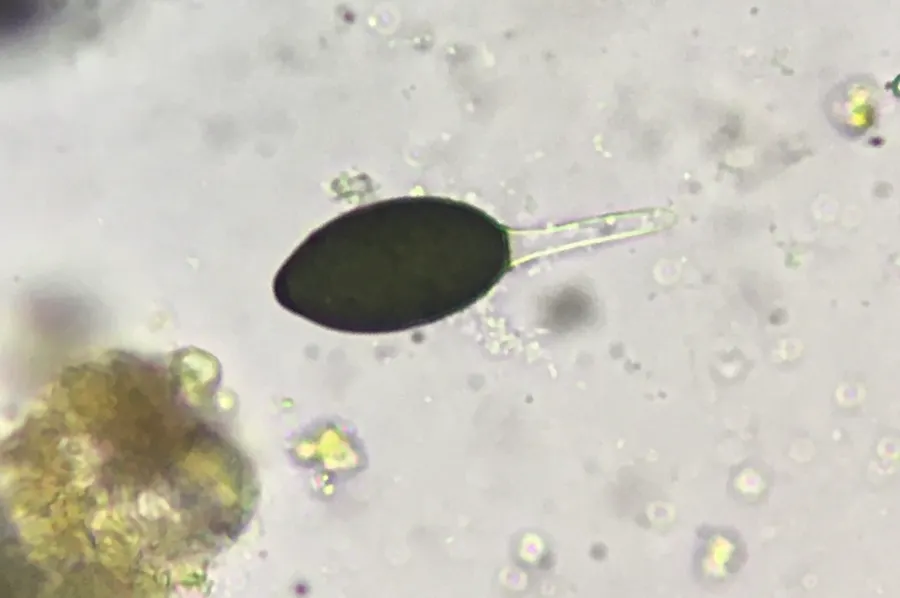
Dokumentasi Podospora anserina menurut asosiasi foto pada record takson iNaturalist. Kredit: Sigrid Jakob. Identitas mengikuti sumber; bukan penentuan spesimen independen.

Jenis
Fotografi
Kredit
no rights reserved, uploaded by Sigrid Jakob
Lisensi
CC0 1.0
Sumber media
Buka entri sumber

Gambar menunjukkan objek menurut identifikasi sumber, bukan verifikasi independen spesimen oleh Fungi. Tidak ada skala baru yang ditambahkan.

06 / Rujukan

Sumber profil

  1. [1] Podospora anserina — Wikipedia (en)Bagian sumber: Frozen revision 1323635030
    Tanggal penghimpunan sumber: 2026-10-12
    Teks sumber: CC BY-SA4.0 · Wikipedia contributors
  2. [2] Catalogue of Life Base2026-09-11 — Triangularia anserinaBagian sumber: ColDP NameUsage.tsv ID 585FN; accepted species; source 2073
    Tanggal penghimpunan sumber: 2026-10-12
  3. [3] Dokumentasi visual — Podospora anserinaBagian sumber: Individual media record; identification follows the source, not independent determination
    Tanggal penghimpunan sumber: 2026-10-12
    Media sumber: CC0 1.0 · no rights reserved, uploaded by Sigrid Jakob

Adaptasi teks: CC BY-SA 4.0. Wikipedia contributors — Podospora anserina — Wikipedia (en)

Uraian asli dan riwayat sumber

Riwayat atau halaman sumber

Ringkasan sumber

Podospora anserina is a filamentous ascomycete fungus from the order Sordariales. It is considered a model organism for the study of molecular biology of senescence (aging), prions, sexual reproduction, and meiotic drive. It has an obligate sexual and pseudohomothallic life cycle. It is a non-pathogenic coprophilous fungus that colonizes the dung of herbivorous animals such as horses, rabbits, cows and sheep.

Revisi sumber

Morfologi sumber

Podospora anserina is a filamentous ascomycete fungus from the order Sordariales. It is considered a model organism for the study of molecular biology of senescence (aging), prions, sexual reproduction, and meiotic drive. It has an obligate sexual and pseudohomothallic life cycle. It is a non-pathogenic coprophilous fungus that colonizes the dung of herbivorous animals such as horses, rabbits, cows and sheep. Podospora is a model organism to study genetics, aging (senescence, cell degeneration), ascomycete development, heterokaryon incompatibility, mating in fungi, prions, and mitochondrial and peroxisomal physiology. Podospora is easily culturable on complex (full) potato dextrose, cornmeal agar/broth, or even synthetic medium, and, using modern molecular tools, is easy to manipulate. Its optimal growth temperature is 25 - 27 C and can complete its life cycle in 7 to 11 days under laboratory conditions. In addition, two other populations have been sampled, one in Usingen, Germany, and the other in Wageningen, the Netherlands, both of which have been used to study spore killing, the phenotypic expression of meiotic drive in fungi. ΔiΔviv is an immortal strain that shows no sign of senescence. It produces yellow pigmentation. Lack of viv increased life span in days by a factor of 2.3 compared to the wild type and lack of i by 1.6. However, strain ΔiΔviv showed no senescence during the whole study and was vegetative for over a year. These genes are synergistic and are physically closely linked. AL2 is a long-lived strain. Insertion of linear mitochondrial plasmid containing al-2 show increased life span.

Revisi sumber

Ekologi sumber

Senescence occurs because during respiration reactive oxygen species are produced that limit the life span and over time defective mitochondrial DNA can accumulate. With this knowledge, focus turned to nutrition availability, respiration (ATP synthesis) and oxidases, such as cytochrome c oxidase. Carotenoids, pigments that are also found in plants and provide health benefits to humans, are known to be in fungi like Podospora's divergent ancestor Neurospora crassa; in N. crassa (and other fungi) cartenoids al genes namely provide UV radiation protection. Over-expression of al-2 Podospora anserina increased life span by 31%.

Revisi sumber

Struktur reproduksi sumber

Podospora anserina is a filamentous ascomycete fungus from the order Sordariales. It is considered a model organism for the study of molecular biology of senescence (aging), prions, sexual reproduction, and meiotic drive. It has an obligate sexual and pseudohomothallic life cycle. It is a non-pathogenic coprophilous fungus that colonizes the dung of herbivorous animals such as horses, rabbits, cows and sheep. In addition, two other populations have been sampled, one in Usingen, Germany, and the other in Wageningen, the Netherlands, both of which have been used to study spore killing, the phenotypic expression of meiotic drive in fungi. ΔiΔviv is an immortal strain that shows no sign of senescence.

Revisi sumber

Rujukan halaman ini

Fungi. Triangularia anserina. Rilis data fungi-2026-10-12-expansion-2. https://fungi-atlas.mgadib.chatgpt.site/jamur/triangularia-anserina/.

Status: impor sumber; pemeriksaan editorial per profil belum selesai. Untuk klaim biologis, gunakan rujukan pada bagian terkait dan periksa konteks sumber aslinya.