01 / Morfologi

Ciri dan struktur

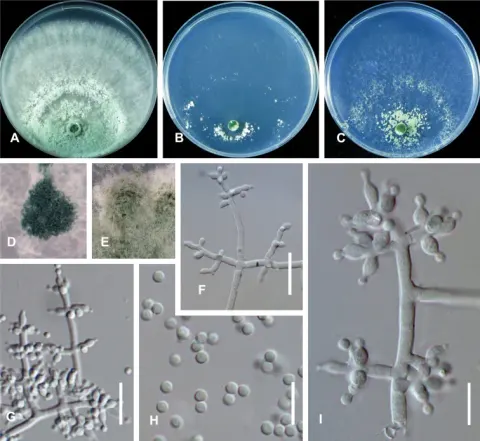
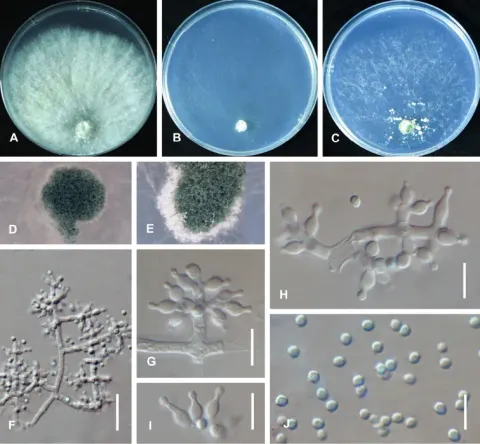
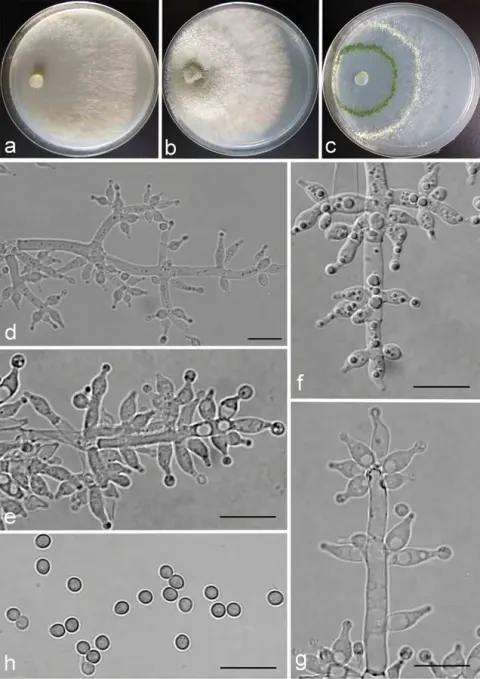
T. viride is a mold which produces spores asexually, by mitosis. It is the anamorph of Hypocrea rufa, its teleomorph, which is the sexual reproductive stage of the fungus and produces a typical fungal fruiting body. The mycelium of T. viride can produce a variety of enzymes, including cellulases and chitinases which can degrade cellulose and chitin respectively. The mould can grow directly on wood, which is mostly composed of cellulose, and on fungi, the cell walls of which are mainly composed of chitin. It parasitizes the mycelia and fruiting bodies of other fungi, including cultivated mushrooms, and it has been called the "green mould disease of mushrooms". The affected mushrooms are distorted and unattractive in appearance and the crop is reduced. Trichoderma viride is the causal agent of green mold rot of onion. A strain of Trichoderma viride is a known cause of dieback of Pinus nigra seedlings. In rare cases it can infect immunocompromised humans, and is associated with continuous ambulatory peritoneal dialysis, blood cancers, or solid organ transplant.

Sebagian uraian ditampilkan dalam bahasa sumber; terjemahannya belum tersedia atau belum lolos pemeriksaan.

Rujukan: [1]

Pengukuran mengikuti objek, spesimen atau kultur, dan metode yang disebutkan sumber. Baca uraian asli untuk konteks lengkap.

02 / Kehidupan

Habitat dan peran ekologis

T. viride is a mold which produces spores asexually, by mitosis. It is the anamorph of Hypocrea rufa, its teleomorph, which is the sexual reproductive stage of the fungus and produces a typical fungal fruiting body. The mycelium of T. viride can produce a variety of enzymes, including cellulases and chitinases which can degrade cellulose and chitin respectively. The mould can grow directly on wood, which is mostly composed of cellulose, and on fungi, the cell walls of which are mainly composed of chitin. It parasitizes the mycelia and fruiting bodies of other fungi, including cultivated mushrooms, and it has been called the "green mould disease of mushrooms". The affected mushrooms are distorted and unattractive in appearance and the crop is reduced. Trichoderma viride is the causal agent of green mold rot of onion. A strain of Trichoderma viride is a known cause of dieback of Pinus nigra seedlings. In rare cases it can infect immunocompromised humans, and is associated with continuous ambulatory peritoneal dialysis, blood cancers, or solid organ transplant.

Sebagian uraian ditampilkan dalam bahasa sumber; terjemahannya belum tersedia atau belum lolos pemeriksaan.

Rujukan: [1]

Habitat atau konteks temuan
Informasi belum tersedia pada sumber rilis ini.
Substrat
kayu
Peran atau konteks
Belum dikategorikan pada rilis ini.
Temukan hubungan serupa
03 / Siklus hidup

Reproduksi

T. viride is a mold which produces spores asexually, by mitosis. It is the anamorph of Hypocrea rufa, its teleomorph, which is the sexual reproductive stage of the fungus and produces a typical fungal fruiting body. The mycelium of T. viride can produce a variety of enzymes, including cellulases and chitinases which can degrade cellulose and chitin respectively. The mould can grow directly on wood, which is mostly composed of cellulose, and on fungi, the cell walls of which are mainly composed of chitin. It parasitizes the mycelia and fruiting bodies of other fungi, including cultivated mushrooms, and it has been called the "green mould disease of mushrooms". The affected mushrooms are distorted and unattractive in appearance and the crop is reduced.

Sebagian uraian ditampilkan dalam bahasa sumber; terjemahannya belum tersedia atau belum lolos pemeriksaan.

Rujukan: [1]

Sinonim menurut acuan taksonomi rilis: Cyttaria rufa; Discosphaera rufa; Hypocrea rufa; Hypocrea rufa f. formosana; Hypocrea rufa f. sterilis; Hypocrea rufa subsp. lateritia; Hypocrea rufa subsp. sublateritia; Hypocrea rufa var. discoidea; Hypocrea rufa var. lateritia; Hypocrea rufa var. minor; Hypocrea rufa var. sublateritia; Hypocrea rufa var. umbrina; Pyreniopsis vulgaris; Pyrenium lignorum; Pyrenium lignorum var. aureum; Pyrenium lignorum var. vulgare; Sphaeria rufa; Trichoderma lignorum; Trichoderma viride; Trichoderma viride var. kizhanense
04 / Batas informasi

Catatan identitas dan cakupan

  • Nama diterima mengikuti Catalogue of Life Base2026-09-11; uraian mempertahankan konsep dan nama sumber aslinya.
  • Original geographic, specimen and life-cycle scope retained; source import awaits individual editorial review.
  • Impor dan terjemahan otomatis belum diperiksa editorial per profil. Struktur reproduktif yang disebutkan tidak membuktikan seluruh siklus hidup diketahui.
  • Pengukuran pada uraian mengikuti spesimen, kultur, dan metode sumber; angka tidak diperluas ke semua populasi.

Catatan distribusi dalam narasi mengikuti sumbernya. Dokumentasi spesimen atau foto mengikuti catatan sumber. Bukti wilayah Indonesia dan penilaian konservasi tidak disimpulkan dari gambar.

05 / Dokumentasi

Melihat dengan konteks

Dokumentasi visual yang memenuhi pemeriksaan subjek dan hak penggunaan belum tersedia. Foto gejala, label, dan gambar yang meragukan tidak dihitung.

06 / Rujukan

Sumber profil

  1. [1] Trichoderma viride — Wikipedia (en)Bagian sumber: Frozen revision 1364423739
    Tanggal penghimpunan sumber: 2026-10-12
    Teks sumber: CC BY-SA4.0 · Wikipedia contributors
  2. [2] Catalogue of Life Base2026-09-11 — Trichoderma virideBagian sumber: ColDP NameUsage.tsv ID 58BVB; accepted species; source 2073
    Tanggal penghimpunan sumber: 2026-10-12

Adaptasi teks: CC BY-SA 4.0. Wikipedia contributors — Trichoderma viride — Wikipedia (en)

Uraian asli dan riwayat sumber

Riwayat atau halaman sumber

Ringkasan sumber

T. viride is a mold which produces spores asexually, by mitosis. It is the anamorph of Hypocrea rufa, its teleomorph, which is the sexual reproductive stage of the fungus and produces a typical fungal fruiting body. The mycelium of T. viride can produce a variety of enzymes, including cellulases and chitinases which can degrade cellulose and chitin respectively. The mould can grow directly on wood, which is mostly composed of cellulose, and on fungi, the cell walls of which are mainly composed of chitin.

Revisi sumber

Morfologi sumber

T. viride is a mold which produces spores asexually, by mitosis. It is the anamorph of Hypocrea rufa, its teleomorph, which is the sexual reproductive stage of the fungus and produces a typical fungal fruiting body. The mycelium of T. viride can produce a variety of enzymes, including cellulases and chitinases which can degrade cellulose and chitin respectively. The mould can grow directly on wood, which is mostly composed of cellulose, and on fungi, the cell walls of which are mainly composed of chitin. It parasitizes the mycelia and fruiting bodies of other fungi, including cultivated mushrooms, and it has been called the "green mould disease of mushrooms". The affected mushrooms are distorted and unattractive in appearance and the crop is reduced. Trichoderma viride is the causal agent of green mold rot of onion. A strain of Trichoderma viride is a known cause of dieback of Pinus nigra seedlings. In rare cases it can infect immunocompromised humans, and is associated with continuous ambulatory peritoneal dialysis, blood cancers, or solid organ transplant.

Revisi sumber

Ekologi sumber

T. viride is a mold which produces spores asexually, by mitosis. It is the anamorph of Hypocrea rufa, its teleomorph, which is the sexual reproductive stage of the fungus and produces a typical fungal fruiting body. The mycelium of T. viride can produce a variety of enzymes, including cellulases and chitinases which can degrade cellulose and chitin respectively. The mould can grow directly on wood, which is mostly composed of cellulose, and on fungi, the cell walls of which are mainly composed of chitin. It parasitizes the mycelia and fruiting bodies of other fungi, including cultivated mushrooms, and it has been called the "green mould disease of mushrooms". The affected mushrooms are distorted and unattractive in appearance and the crop is reduced. Trichoderma viride is the causal agent of green mold rot of onion. A strain of Trichoderma viride is a known cause of dieback of Pinus nigra seedlings. In rare cases it can infect immunocompromised humans, and is associated with continuous ambulatory peritoneal dialysis, blood cancers, or solid organ transplant.

Revisi sumber

Struktur reproduksi sumber

T. viride is a mold which produces spores asexually, by mitosis. It is the anamorph of Hypocrea rufa, its teleomorph, which is the sexual reproductive stage of the fungus and produces a typical fungal fruiting body. The mycelium of T. viride can produce a variety of enzymes, including cellulases and chitinases which can degrade cellulose and chitin respectively. The mould can grow directly on wood, which is mostly composed of cellulose, and on fungi, the cell walls of which are mainly composed of chitin. It parasitizes the mycelia and fruiting bodies of other fungi, including cultivated mushrooms, and it has been called the "green mould disease of mushrooms". The affected mushrooms are distorted and unattractive in appearance and the crop is reduced.

Revisi sumber

Rujukan halaman ini

Fungi. Trichoderma viride. Rilis data fungi-2026-10-12-expansion-2. https://fungi-atlas.mgadib.chatgpt.site/jamur/trichoderma-viride/.

Status: impor sumber; pemeriksaan editorial per profil belum selesai. Untuk klaim biologis, gunakan rujukan pada bagian terkait dan periksa konteks sumber aslinya.