Ciri dan struktur
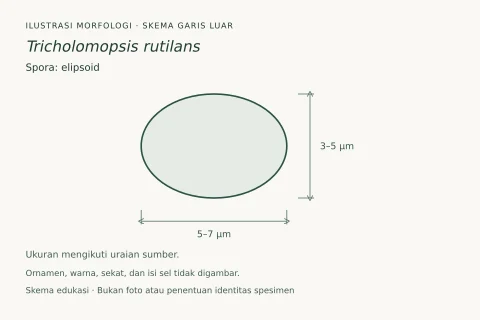
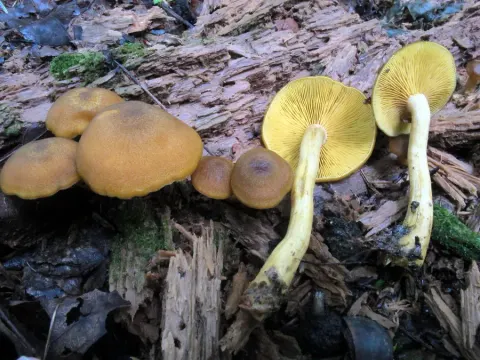
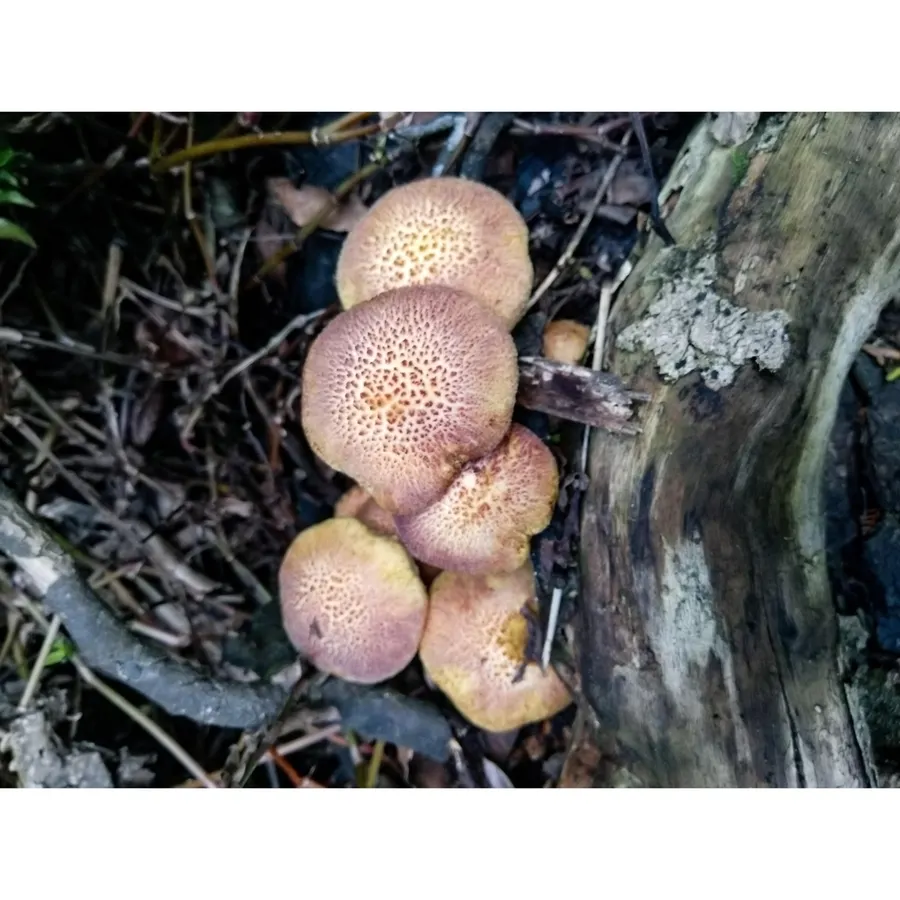
The fruit bodies (basidiocarps) of T. ornaticeps have caps (pilei) which reach 7–8 cm in diameter. They are ochraceous to saffron-yellow in colour, and densely covered with minute brown fibrillose scales. They are convex with a downward-curved margin, becoming centrally depressed with age. The lamella (gills) are yellow and they stain brown at the edges. They are moderately distant and sinuate. The stipe measures 3 × 1 cm in length and width. It is creamy at the apex and ochraceous at the base, with a fibrillose to striate surface. The spore print is white. The spores are oval to nearly cylindrical in shape, thin-walled, and measure 8.3 μm × 4.3 μm. The basidia measure 20–40 × 8–10 μm. The hyphae measure about 5 μm in diameter.
Habitat dan peran ekologis
Tricholomopsis ornaticeps is native to New Zealand. Its range covers the North and South Islands. Tricholomopsis species are primarily saprotrophic, meaning they obtain nutrients by breaking down organic material. T. ornaticeps has been recorded in Nothofagus forests, as well as in introduced conifer plantations of Pinus radiata and Larix species. T. ornaticeps has been recorded growing on wood from both angiosperms and conifers.
- Habitat atau konteks temuan
- hutan
- Substrat
- kayu
- Peran atau konteks
- Pengurai
Reproduksi
The fruit bodies (basidiocarps) of T. ornaticeps have caps (pilei) which reach 7–8 cm in diameter. They are ochraceous to saffron-yellow in colour, and densely covered with minute brown fibrillose scales. They are convex with a downward-curved margin, becoming centrally depressed with age. The lamella (gills) are yellow and they stain brown at the edges. They are moderately distant and sinuate. The stipe measures 3 × 1 cm in length and width. It is creamy at the apex and ochraceous at the base, with a fibrillose to striate surface. The spore print is white. The spores are oval to nearly cylindrical in shape, thin-walled, and measure 8.3 μm × 4.3 μm. The basidia measure 20–40 × 8–10 μm. The hyphae measure about 5 μm in diameter.
Catatan identitas dan cakupan
- Nama diterima mengikuti Catalogue of Life Base2026-09-11; uraian mempertahankan konsep dan nama sumber aslinya.
- Original geographic, specimen and life-cycle scope retained; source import awaits individual editorial review.
- Impor dan terjemahan otomatis belum diperiksa editorial per profil. Struktur reproduktif yang disebutkan tidak membuktikan seluruh siklus hidup diketahui.
- Pengukuran pada uraian mengikuti spesimen, kultur, dan metode sumber; angka tidak diperluas ke semua populasi.
Catatan distribusi dalam narasi mengikuti sumbernya. Dokumentasi spesimen atau foto mengikuti catatan sumber. Bukti wilayah Indonesia dan penilaian konservasi tidak disimpulkan dari gambar.
Melihat dengan konteks
Dokumentasi Tricholomopsis ornaticeps menurut asosiasi foto pada record takson iNaturalist. Kredit: Courtney Tregurtha-Nairn. Identitas mengikuti sumber; bukan penentuan spesimen independen.
- Jenis
- Fotografi
- Kredit
- (c) Courtney Tregurtha-Nairn, some rights reserved (CC BY), uploaded by Courtney Tregurtha-Nairn
- Lisensi
- CC BY 4.0
- Sumber media
- Buka entri sumber
Dokumentasi tambahan
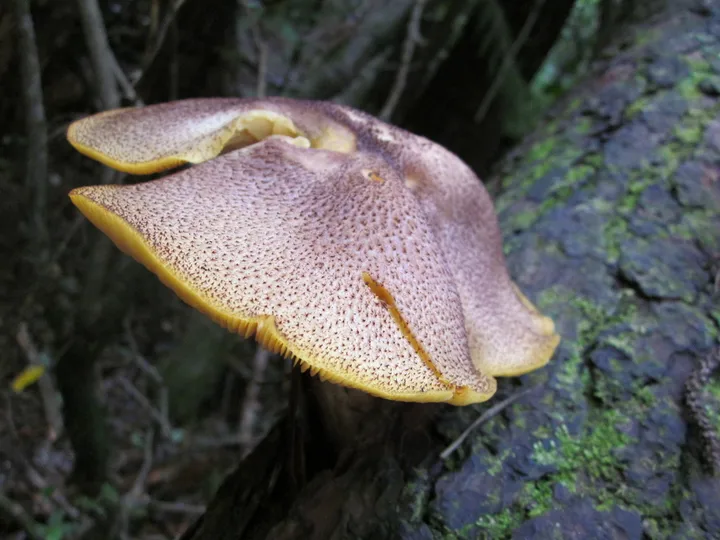
Foto yang diasosiasikan dengan Tricholomopsis ornaticeps pada iNaturalist. Identifikasi mengikuti sumber; bukan penentuan spesimen independen.
Kredit dan penggunaan
(c) Kathy Warburton, some rights reserved (CC BY), uploaded by Kathy Warburton
Ukuran dan format gambar disesuaikan tanpa pemotongan, retus, atau penambahan skala. Lisensi sumber dipertahankan.
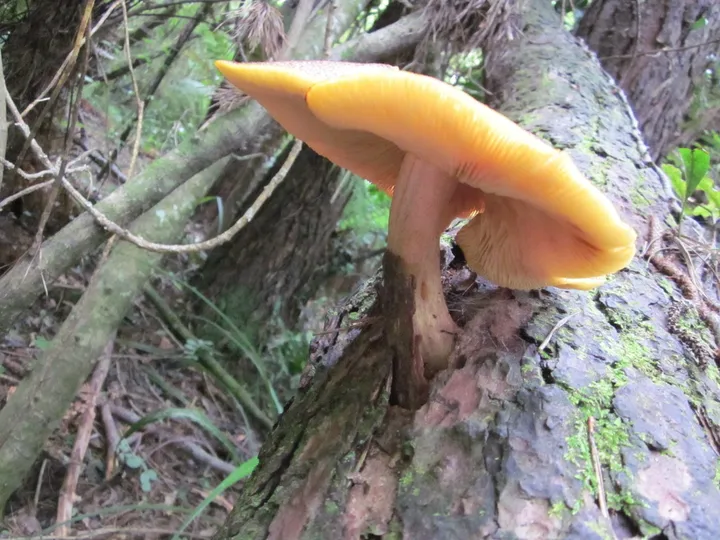
Foto yang diasosiasikan dengan Tricholomopsis ornaticeps pada iNaturalist. Identifikasi mengikuti sumber; bukan penentuan spesimen independen.
Kredit dan penggunaan
(c) Kathy Warburton, some rights reserved (CC BY), uploaded by Kathy Warburton
Ukuran dan format gambar disesuaikan tanpa pemotongan, retus, atau penambahan skala. Lisensi sumber dipertahankan.
Sumber profil
- [1] Tricholomopsis ornaticeps — Wikipedia (en)
- [2] Catalogue of Life Base2026-09-11 — Tricholomopsis ornaticeps
- [3] Dokumentasi visual — Tricholomopsis ornaticeps
- [4] Dokumentasi visual — Tricholomopsis ornaticeps
- [5] Dokumentasi visual — Tricholomopsis ornaticeps
Rujukan halaman ini
Fungi. Tricholomopsis ornaticeps. Rilis data fungi-2026-10-12-expansion-2. https://fungi-atlas.mgadib.chatgpt.site/jamur/tricholomopsis-ornaticeps/.
Status: impor sumber; pemeriksaan editorial per profil belum selesai. Untuk klaim biologis, gunakan rujukan pada bagian terkait dan periksa konteks sumber aslinya.