Ciri dan struktur
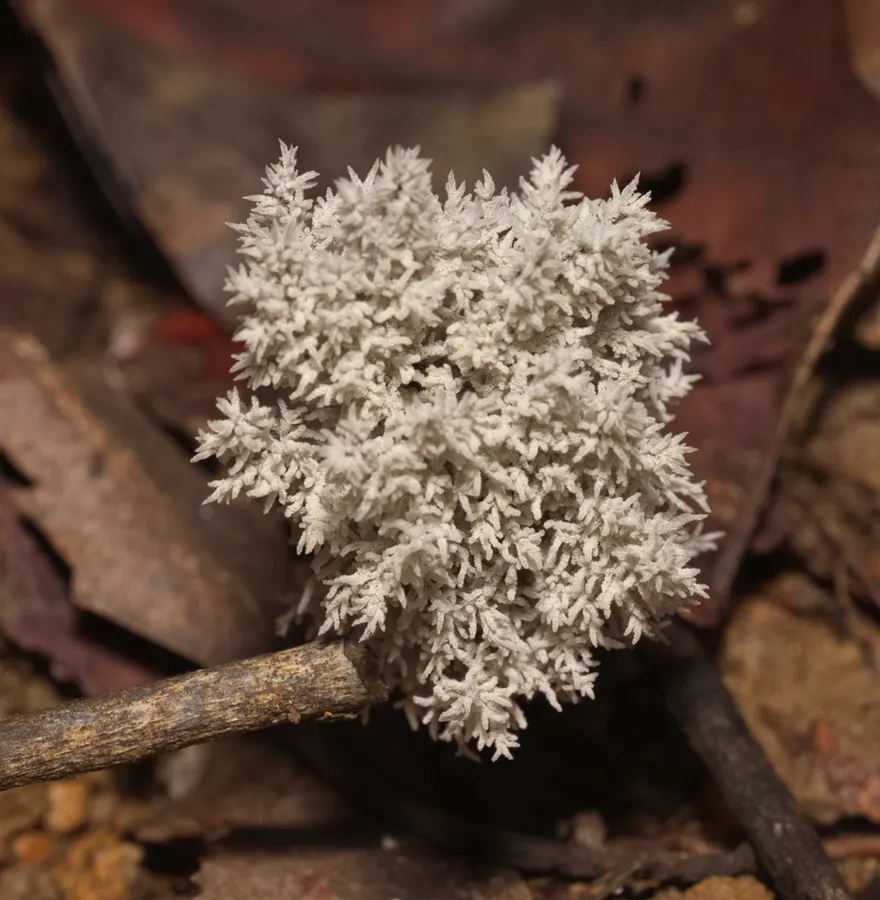
The species was described from Taiwan in 2017 as arising from the soil with a main axis to about 2-5 cm height. There is repeated branching of the structures ending in gray conidium bearing parts. The stipe is black and glabrous with the interior gray to brown. The species is known only from the anamorph and no teleomorphic structures have been observed. The stromata resemble that of Xyloroemium flabelliformis and while most Xylaria produce anamorph and teleomorphs from the same stromata, it has been suggested that the teleomorph may possibly arise from separate stromata as in Xyloroemium. Several Xylaria species are known to be associated with termite nests, growing from the fungus combs of the termites, but many grow on rotting wood and other substrates. No specific substrate was traceable in Xylaria terricola and it appears to grow in soil.
Habitat dan peran ekologis
The species was described from Taiwan in 2017 as arising from the soil with a main axis to about 2-5 cm height. There is repeated branching of the structures ending in gray conidium bearing parts. The stipe is black and glabrous with the interior gray to brown. The species is known only from the anamorph and no teleomorphic structures have been observed. The stromata resemble that of Xyloroemium flabelliformis and while most Xylaria produce anamorph and teleomorphs from the same stromata, it has been suggested that the teleomorph may possibly arise from separate stromata as in Xyloroemium. Several Xylaria species are known to be associated with termite nests, growing from the fungus combs of the termites, but many grow on rotting wood and other substrates. No specific substrate was traceable in Xylaria terricola and it appears to grow in soil.
- Habitat atau konteks temuan
- Informasi belum tersedia pada sumber rilis ini.
- Substrat
- kayu
- Peran atau konteks
- Belum dikategorikan pada rilis ini.
Reproduksi
Xylaria terricola is a species of terrestrial fungus known from tropical Asia. It produces an asexual branching structure with a single stem as an anamorph and no teleomorph or sexual state has been recorded. While other Xylaria species have been found to have termitophilous associations, there is no evidence of X. terricola being in any such association and grows out of soil. The species was described from Taiwan in 2017 as arising from the soil with a main axis to about 2-5 cm height. There is repeated branching of the structures ending in gray conidium bearing parts. The stipe is black and glabrous with the interior gray to brown. The species is known only from the anamorph and no teleomorphic structures have been observed.
Catatan identitas dan cakupan
- Nama diterima mengikuti Catalogue of Life Base2026-09-11; uraian mempertahankan konsep dan nama sumber aslinya.
- Original geographic, specimen and life-cycle scope retained; source import awaits individual editorial review.
- Impor dan terjemahan otomatis belum diperiksa editorial per profil. Struktur reproduktif yang disebutkan tidak membuktikan seluruh siklus hidup diketahui.
- Pengukuran pada uraian mengikuti spesimen, kultur, dan metode sumber; angka tidak diperluas ke semua populasi.
Catatan distribusi dalam narasi mengikuti sumbernya. Dokumentasi spesimen atau foto mengikuti catatan sumber. Bukti wilayah Indonesia dan penilaian konservasi tidak disimpulkan dari gambar.
Melihat dengan konteks
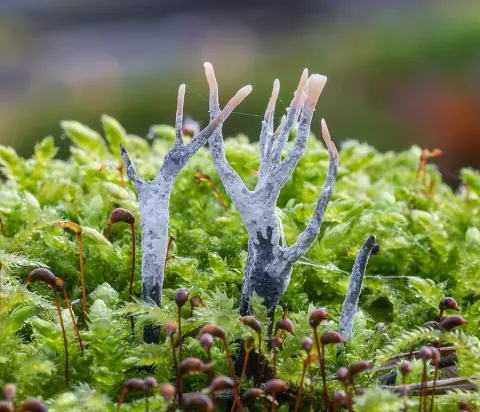
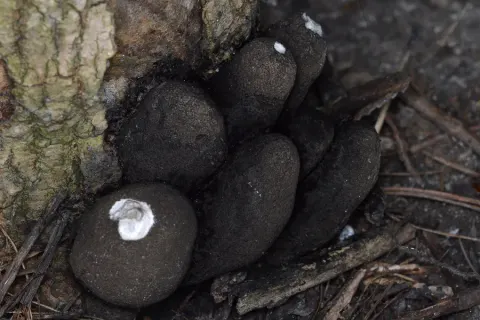
Dokumentasi Xylaria terricola menurut asosiasi foto pada record takson iNaturalist. Kredit: portioid. Identitas mengikuti sumber; bukan penentuan spesimen independen.
- Jenis
- Fotografi
- Kredit
- (c) portioid, some rights reserved (CC BY), uploaded by portioid
- Lisensi
- CC BY 4.0
- Sumber media
- Buka entri sumber
Sumber profil
- [1] Xylaria terricola — Wikipedia (en)
- [2] Catalogue of Life Base2026-09-11 — Xylaria terricola
- [3] Dokumentasi visual — Xylaria terricola
Rujukan halaman ini
Fungi. Xylaria terricola. Rilis data fungi-2026-10-12-expansion-2. https://fungi-atlas.mgadib.chatgpt.site/jamur/xylaria-terricola/.
Status: impor sumber; pemeriksaan editorial per profil belum selesai. Untuk klaim biologis, gunakan rujukan pada bagian terkait dan periksa konteks sumber aslinya.