Ciri dan struktur
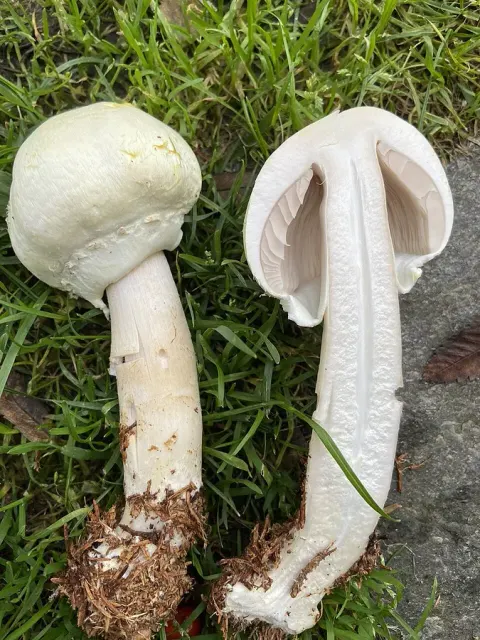
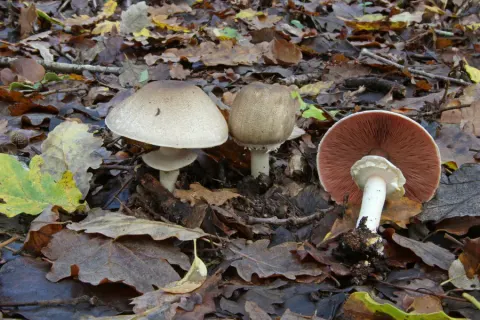
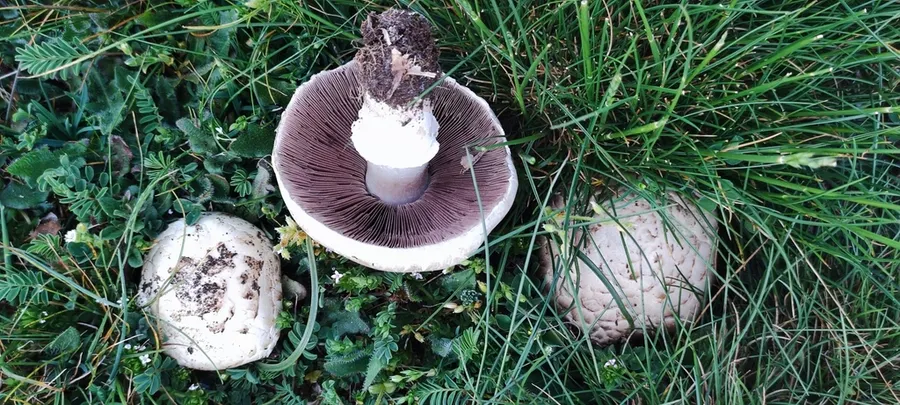
A. litoralis is a white or grey-white mushroom with a compact cap that may reach a width of up to 12 cm. The cap is often depressed when older and rests of the annulus may occur on the outer rim. While rose-coloured at a young age, the gills become dark brown as the mushroom grows older. The stem is 5 - 6 cm tall and 1.5 - 2 cm wide. It is often remarkably shorter than the cap is wide. The spores are dark brown and egg-shaped. The mushroom is saprotrophic, i.e. it feeds on decaying matter. It prefers herbaceous dry grasslands, heaths and steppe.
Habitat dan peran ekologis
It occurs throughout Europe including Scandinavia and Great Britain. While it may be quite common locally, such as on Öland island, it is rarely found in most areas except for southern Europe. Its conservation status in Sweden is "near threatened". A. litoralis is a white or grey-white mushroom with a compact cap that may reach a width of up to 12 cm. The cap is often depressed when older and rests of the annulus may occur on the outer rim. While rose-coloured at a young age, the gills become dark brown as the mushroom grows older. The stem is 5 - 6 cm tall and 1.5 - 2 cm wide. It is often remarkably shorter than the cap is wide. The spores are dark brown and egg-shaped. The mushroom is saprotrophic, i.e. it feeds on decaying matter. It prefers herbaceous dry grasslands, heaths and steppe.
- Habitat atau konteks temuan
- Informasi belum tersedia pada sumber rilis ini.
- Substrat
- Informasi belum tersedia pada sumber rilis ini.
- Peran atau konteks
- Pengurai
Reproduksi
A. litoralis is a white or grey-white mushroom with a compact cap that may reach a width of up to 12 cm. The cap is often depressed when older and rests of the annulus may occur on the outer rim. While rose-coloured at a young age, the gills become dark brown as the mushroom grows older. The stem is 5 - 6 cm tall and 1.5 - 2 cm wide. It is often remarkably shorter than the cap is wide. The spores are dark brown and egg-shaped. The mushroom is saprotrophic, i.e. it feeds on decaying matter. It prefers herbaceous dry grasslands, heaths and steppe.
Catatan identitas dan cakupan
- Nama diterima mengikuti Catalogue of Life Base2026-09-11; uraian mempertahankan konsep dan nama sumber aslinya.
- Original geographic, specimen and life-cycle scope retained; source import awaits individual editorial review.
- Impor dan terjemahan otomatis belum diperiksa editorial per profil. Struktur reproduktif yang disebutkan tidak membuktikan seluruh siklus hidup diketahui.
- Pengukuran pada uraian mengikuti spesimen, kultur, dan metode sumber; angka tidak diperluas ke semua populasi.
Catatan distribusi dalam narasi mengikuti sumbernya. Dokumentasi spesimen atau foto mengikuti catatan sumber. Bukti wilayah Indonesia dan penilaian konservasi tidak disimpulkan dari gambar.
Melihat dengan konteks
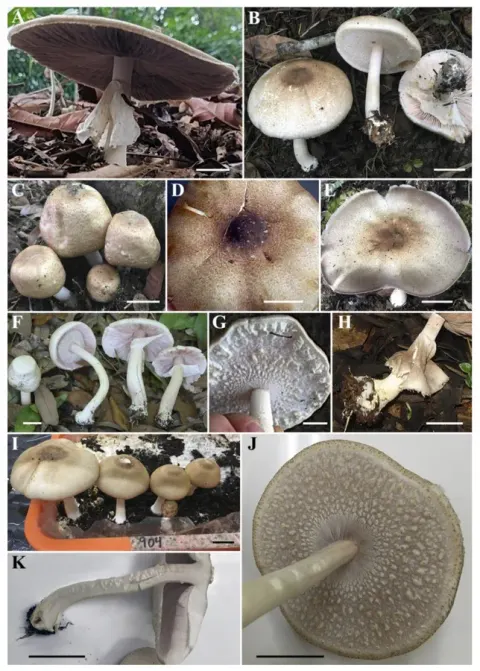
Dokumentasi Agaricus litoralis menurut asosiasi foto pada record takson iNaturalist. Kredit: Jose Castro. Identitas mengikuti sumber; bukan penentuan spesimen independen.
- Jenis
- Fotografi
- Kredit
- (c) Jose Castro, some rights reserved (CC BY)
- Lisensi
- CC BY 4.0
- Sumber media
- Buka entri sumber
Sumber profil
- [1] Agaricus litoralis — Wikipedia (en)
- [2] Catalogue of Life Base2026-09-11 — Agaricus litoralis
- [3] Dokumentasi visual — Agaricus litoralis
Rujukan halaman ini
Fungi. Agaricus litoralis. Rilis data fungi-2026-10-12-expansion-2. https://fungi-atlas.mgadib.chatgpt.site/jamur/agaricus-litoralis/.
Status: impor sumber; pemeriksaan editorial per profil belum selesai. Untuk klaim biologis, gunakan rujukan pada bagian terkait dan periksa konteks sumber aslinya.