01 / Morfologi

Ciri dan struktur

The cap is 2–7 cm in diameter, initially convex while flattening with age; it typically has a low umbo–a raised, conical mound in the center of the cap. The surface color can range from a lighter cream to a darker tan, with brownish scales thinning out towards the margin of the cap. The gills are free from the stalk and packed closely together, showing a pink to salmon color in youth and aging to a darker brown. The stalk is 3–7 cm tall and 0.4–0.8 cm broad, and bruises yellow when handled. A ring or remnants thereof are often evident, while the partial veil is often absent or minutely visible along the margin of the cap. The flesh is white throughout and stains yellow when bruised. The spore print is dark brown. The taste is said to be slightly reminiscent of anise or almond while the odor is often more distinctive. The spores are 4.5–5.5 x 3–3.5 μm, smooth, nonamyloid, and elliptical. The basidia, the spore-bearing cells, are 4-spored, while the cystidia (relatively large non-spore producing cells typically found on the hymenium) are roughly club-shaped with thin walls.

Sebagian uraian ditampilkan dalam bahasa sumber; terjemahannya belum tersedia atau belum lolos pemeriksaan.

Rujukan: [1]

Pengukuran mengikuti objek, spesimen atau kultur, dan metode yang disebutkan sumber. Baca uraian asli untuk konteks lengkap.

02 / Kehidupan

Habitat dan peran ekologis

Agaricus semotus adalah jamur hutan dari order jamur Agaricales. Like many of its relatives, it can be found spread throughout wooded, moist areas in the southern United States, and has been found in areas ranging from California to Florida. Ini juga berasal dari Eropa Besar Britain and. A. semotus juga telah dikumpulkan di Selandia Baru. Although various penulis tidak setuju tentang keanggunannya, ukurannya yang sederhana mencegahnya menjadi sumber nutrisi yang signifikan. Spornya adalah 4.5–5.5 x 3–3.5 μm, halus, nonamiloid, dan eliptik. Sel-sel yang mengandung spora basidia, berbentuk 4, sedangkan sel-sel yang menghasilkan spora sistidia (sel-sel yang relatif besar yang biasanya ditemukan pada himenium) berbentuk sekrup dengan dinding tipis.

Sebagian uraian ditampilkan dalam bahasa sumber; terjemahannya belum tersedia atau belum lolos pemeriksaan.

Rujukan: [1]

Habitat atau konteks temuan
hutan
Substrat
Informasi belum tersedia pada sumber rilis ini.
Peran atau konteks
Belum dikategorikan pada rilis ini.
Temukan hubungan serupa
03 / Siklus hidup

Reproduksi

The stalk is 3–7 cm tall and 0.4–0.8 cm broad, and bruises yellow when handled. A ring or remnants thereof are often evident, while the partial veil is often absent or minutely visible along the margin of the cap. The flesh is white throughout and stains yellow when bruised. The spore print is dark brown. The spores are 4.5–5.5 x 3–3.5 μm, smooth, nonamyloid, and elliptical. The basidia, the spore-bearing cells, are 4-spored, while the cystidia (relatively large non-spore producing cells typically found on the hymenium) are roughly club-shaped with thin walls.

Sebagian uraian ditampilkan dalam bahasa sumber; terjemahannya belum tersedia atau belum lolos pemeriksaan.

Rujukan: [1]

Sinonim menurut acuan taksonomi rilis: Fungus semotus; Pratella semota; Psalliota semota
04 / Batas informasi

Catatan identitas dan cakupan

  • Nama diterima mengikuti Catalogue of Life Base2026-09-11; uraian mempertahankan konsep dan nama sumber aslinya.
  • Original geographic, specimen and life-cycle scope retained; source import awaits individual editorial review.
  • Impor dan terjemahan otomatis belum diperiksa editorial per profil. Struktur reproduktif yang disebutkan tidak membuktikan seluruh siklus hidup diketahui.
  • Pengukuran pada uraian mengikuti spesimen, kultur, dan metode sumber; angka tidak diperluas ke semua populasi.

Catatan distribusi dalam narasi mengikuti sumbernya. Dokumentasi spesimen atau foto mengikuti catatan sumber. Bukti wilayah Indonesia dan penilaian konservasi tidak disimpulkan dari gambar.

05 / Dokumentasi

Melihat dengan konteks

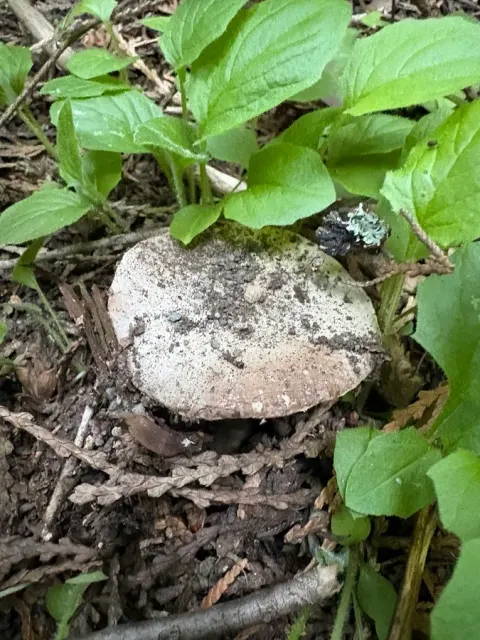
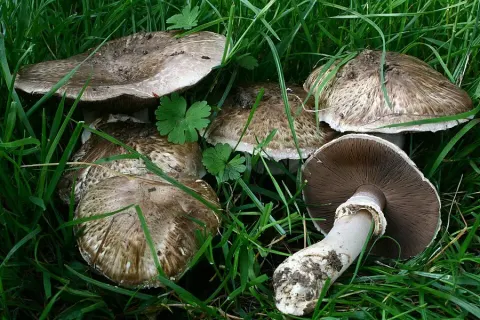
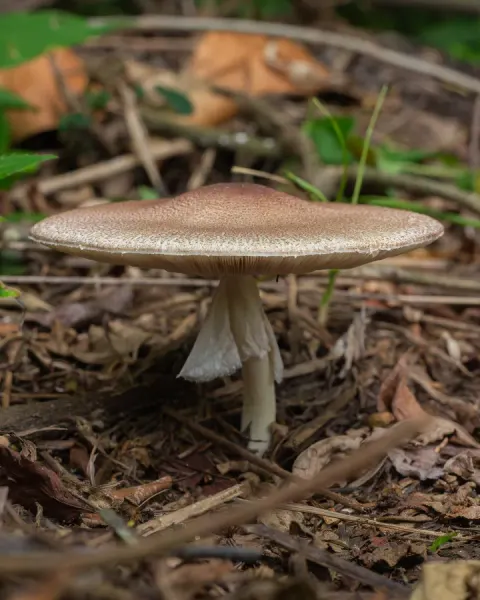
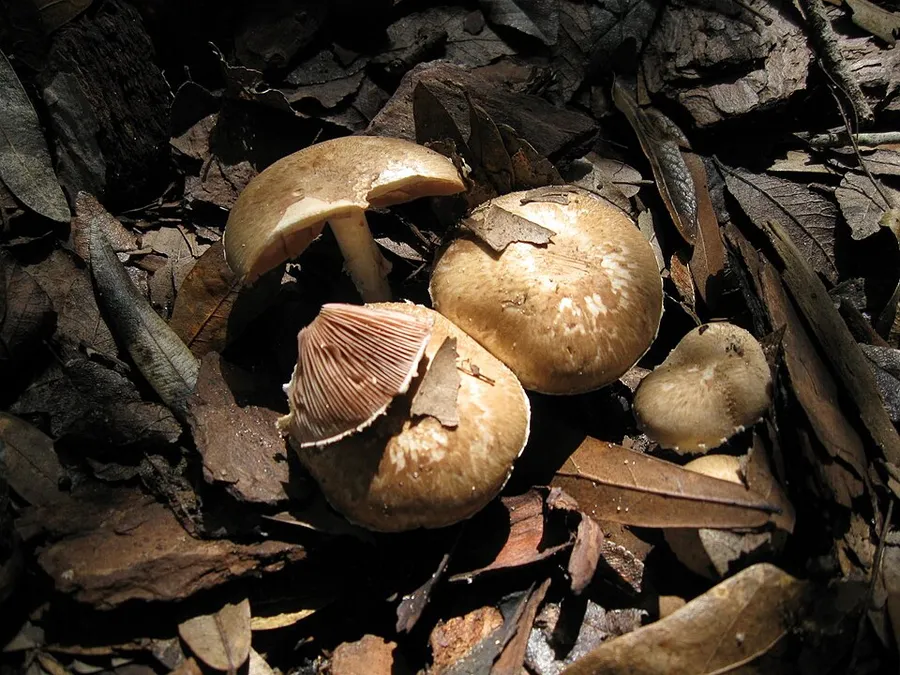
Dokumentasi Agaricus semotus dari Wikimedia Commons. A collection of Agaricus semotus specimens growing in my backyard. Identifikasi mengikuti record berkas sumber.

Jenis
Fotografi
Kredit
Scott Mudge
Lisensi
CC BY 3.0
Sumber media
Buka entri sumber

Gambar menunjukkan objek menurut identifikasi sumber, bukan verifikasi independen spesimen oleh Fungi. Tidak ada skala baru yang ditambahkan.

06 / Rujukan

Sumber profil

  1. [1] Agaricus semotus — Wikipedia (en)Bagian sumber: Frozen revision 1219807358
    Tanggal penghimpunan sumber: 2026-10-12
    Teks sumber: CC BY-SA4.0 · Wikipedia contributors
  2. [2] Catalogue of Life Base2026-09-11 — Agaricus semotusBagian sumber: ColDP NameUsage.tsv ID 5TNYN; accepted species; source 2073
    Tanggal penghimpunan sumber: 2026-10-12
  3. [3] Dokumentasi visual — Agaricus semotusBagian sumber: Individual media record; identification follows the source, not independent determination
    Tanggal penghimpunan sumber: 2026-10-12
    Media sumber: CC BY 3.0 · Scott Mudge

Adaptasi teks: CC BY-SA 4.0. Wikipedia contributors — Agaricus semotus — Wikipedia (en)

Uraian asli dan riwayat sumber

Riwayat atau halaman sumber

Ringkasan sumber

Agaricus semotus is a woodland mushroom of the fungus order Agaricales. Like many of its relatives, it can be found spread throughout wooded, moist areas in the southern United States, and has been found in areas ranging from California to Florida. It is also indigenous to Great Britain and Europe. A. semotus has also been collected in New Zealand. Although various authors disagree about its edibility, its modest size prevents it from being a significant source of nutrition.

Revisi sumber

Morfologi sumber

The cap is 2–7 cm in diameter, initially convex while flattening with age; it typically has a low umbo–a raised, conical mound in the center of the cap. The surface color can range from a lighter cream to a darker tan, with brownish scales thinning out towards the margin of the cap. The gills are free from the stalk and packed closely together, showing a pink to salmon color in youth and aging to a darker brown. The stalk is 3–7 cm tall and 0.4–0.8 cm broad, and bruises yellow when handled. A ring or remnants thereof are often evident, while the partial veil is often absent or minutely visible along the margin of the cap. The flesh is white throughout and stains yellow when bruised. The spore print is dark brown. The taste is said to be slightly reminiscent of anise or almond while the odor is often more distinctive. The spores are 4.5–5.5 x 3–3.5 μm, smooth, nonamyloid, and elliptical. The basidia, the spore-bearing cells, are 4-spored, while the cystidia (relatively large non-spore producing cells typically found on the hymenium) are roughly club-shaped with thin walls.

Revisi sumber

Ekologi sumber

Agaricus semotus is a woodland mushroom of the fungus order Agaricales. Like many of its relatives, it can be found spread throughout wooded, moist areas in the southern United States, and has been found in areas ranging from California to Florida. It is also indigenous to Great Britain and Europe. A. semotus has also been collected in New Zealand. Although various authors disagree about its edibility, its modest size prevents it from being a significant source of nutrition. The spores are 4.5–5.5 x 3–3.5 μm, smooth, nonamyloid, and elliptical. The basidia, the spore-bearing cells, are 4-spored, while the cystidia (relatively large non-spore producing cells typically found on the hymenium) are roughly club-shaped with thin walls.

Revisi sumber

Struktur reproduksi sumber

The stalk is 3–7 cm tall and 0.4–0.8 cm broad, and bruises yellow when handled. A ring or remnants thereof are often evident, while the partial veil is often absent or minutely visible along the margin of the cap. The flesh is white throughout and stains yellow when bruised. The spore print is dark brown. The spores are 4.5–5.5 x 3–3.5 μm, smooth, nonamyloid, and elliptical. The basidia, the spore-bearing cells, are 4-spored, while the cystidia (relatively large non-spore producing cells typically found on the hymenium) are roughly club-shaped with thin walls.

Revisi sumber

Rujukan halaman ini

Fungi. Agaricus semotus. Rilis data fungi-2026-10-12-expansion-2. https://fungi-atlas.mgadib.chatgpt.site/jamur/agaricus-semotus/.

Status: impor sumber; pemeriksaan editorial per profil belum selesai. Untuk klaim biologis, gunakan rujukan pada bagian terkait dan periksa konteks sumber aslinya.