01 / Morfologi

Ciri dan struktur

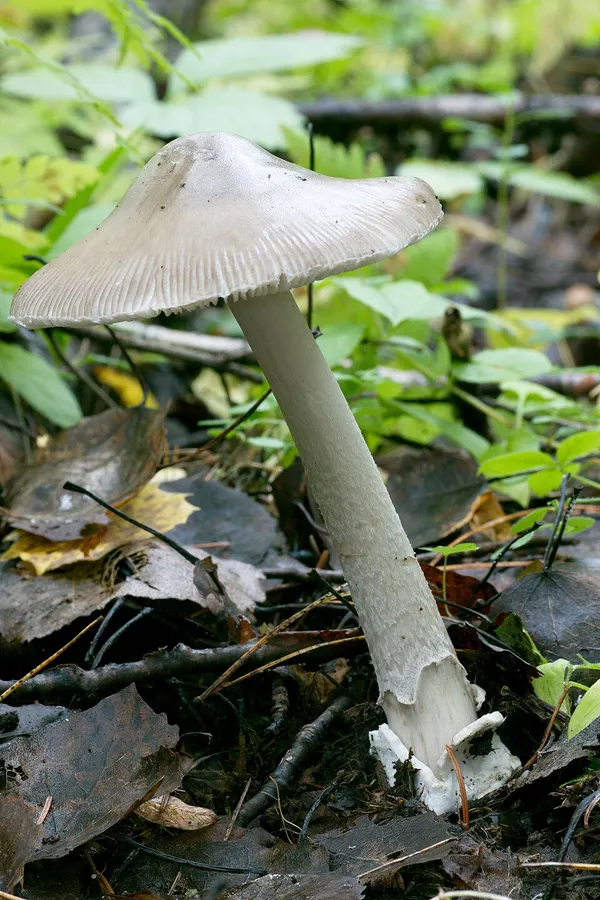
This fungus produces delicate white basidiocarps (fruiting bodies). The cap is 6–8 cm in diameter, at first narrowly conical then expanding to convex-conical. It is whitish in colour – pure white to faintly yellowish or greyish in the centre with age. The cap surface is smooth and moist (slightly sticky when wet), with a striate margin (grooved edges) but without any warty patches or universal veil remnants. Gills are free, crowded, and white. The stipe is exceptionally long and slender – up to 15–20 cm tall but only 1.4–2 cm thicksvampar.se. The stem is fragile, hollow in part, and tapers upward. It is entirely white and densely covered with white fibrillose scales or floccose (wooly) fragments, especially in its lower portion. At the base of the stipe sits a large, thick, white volva that forms a free, sack-like cup with lobed edges. There is no ring on the stipe, a key feature of this ringless Amanita. The spore print is white; spores are roughly spherical, roughly 9–11 μm in sizes, and lack an amyloid staining reaction. Clamp connections are absent in the hyphae.

Sebagian uraian ditampilkan dalam bahasa sumber; terjemahannya belum tersedia atau belum lolos pemeriksaan.

Rujukan: [1]

Pengukuran mengikuti objek, spesimen atau kultur, dan metode yang disebutkan sumber. Baca uraian asli untuk konteks lengkap.

02 / Kehidupan

Habitat dan peran ekologis

Amanita islandica is an ectomycorrhizal mushroom of subarctic and boreal ecosystems. As its name suggests, it was originally found in Iceland, where it associates with native birch (Betula pubescens) woodlands. It likely forms mycorrhiza with birch – Melot noted it as symbiont with birch in Iceland. The species has since been recorded in other parts of northern Europe. In Sweden, it was collected in Västergötland under birch and spruce. A. islandica favours wet, mossy mixed forests of birch and Norway spruce in cool climates. It often fruits in late summer to autumn, sometimes in unusual places (one Swedish collection grew from an ant hill in a birch-spruce forest). This species is considered rare. In Iceland it is one of the few native Amanitas and is infrequently encountered. In Scandinavia it is also uncommon, meriting inclusion on regional fungal redlists. Its delicate white caps can be overlooked among moss and lichens, contributing to its apparent rarity.

Sebagian uraian ditampilkan dalam bahasa sumber; terjemahannya belum tersedia atau belum lolos pemeriksaan.

Rujukan: [1]

Habitat atau konteks temuan
hutan
Substrat
Informasi belum tersedia pada sumber rilis ini.
Peran atau konteks
Mitra tumbuhan
Temukan hubungan serupa
03 / Siklus hidup

Reproduksi

This fungus produces delicate white basidiocarps (fruiting bodies). The cap is 6–8 cm in diameter, at first narrowly conical then expanding to convex-conical. It is whitish in colour – pure white to faintly yellowish or greyish in the centre with age. The cap surface is smooth and moist (slightly sticky when wet), with a striate margin (grooved edges) but without any warty patches or universal veil remnants. Gills are free, crowded, and white. The stipe is exceptionally long and slender – up to 15–20 cm tall but only 1.4–2 cm thicksvampar.se. The stem is fragile, hollow in part, and tapers upward. It is entirely white and densely covered with white fibrillose scales or floccose (wooly) fragments, especially in its lower portion.

Sebagian uraian ditampilkan dalam bahasa sumber; terjemahannya belum tersedia atau belum lolos pemeriksaan.

Rujukan: [1]

04 / Batas informasi

Catatan identitas dan cakupan

  • Nama diterima mengikuti Catalogue of Life Base2026-09-11; uraian mempertahankan konsep dan nama sumber aslinya.
  • Original geographic, specimen and life-cycle scope retained; source import awaits individual editorial review.
  • Impor dan terjemahan otomatis belum diperiksa editorial per profil. Struktur reproduktif yang disebutkan tidak membuktikan seluruh siklus hidup diketahui.
  • Pengukuran pada uraian mengikuti spesimen, kultur, dan metode sumber; angka tidak diperluas ke semua populasi.

Catatan distribusi dalam narasi mengikuti sumbernya. Dokumentasi spesimen atau foto mengikuti catatan sumber. Bukti wilayah Indonesia dan penilaian konservasi tidak disimpulkan dari gambar.

05 / Dokumentasi

Melihat dengan konteks

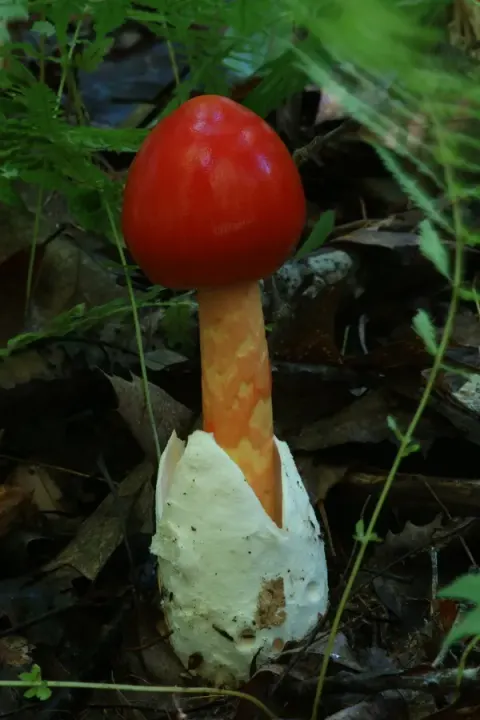
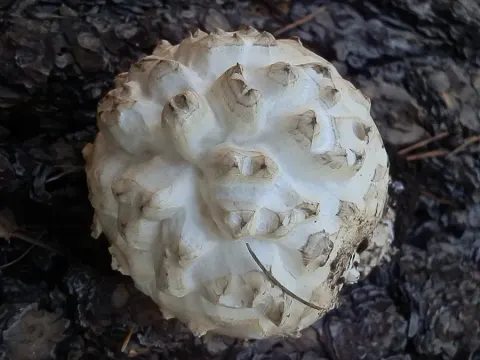
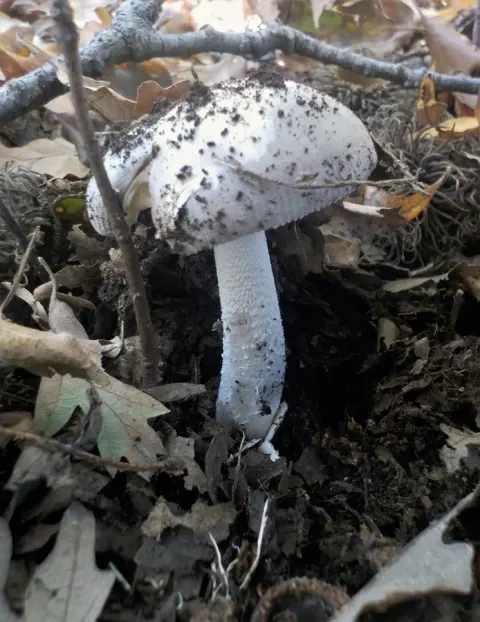
Dokumentasi Amanita islandica dari Wikimedia Commons. For more information about this, see the observation page at Mushroom Observer. Identifikasi mengikuti record berkas sumber.

Jenis
Fotografi
Kredit
This image was created by user Tatiana Bulyonkova (ressaure) at Mushroom Observer , a source for mycological images. You can contact this user here .
Sumber media
Buka entri sumber

Gambar menunjukkan objek menurut identifikasi sumber, bukan verifikasi independen spesimen oleh Fungi. Tidak ada skala baru yang ditambahkan.

06 / Rujukan

Sumber profil

  1. [1] Amanita islandica — Wikipedia (en)Bagian sumber: Frozen revision 1362642928
    Tanggal penghimpunan sumber: 2026-10-12
    Teks sumber: CC BY-SA4.0 · Wikipedia contributors
  2. [2] Catalogue of Life Base2026-09-11 — Amanita islandicaBagian sumber: ColDP NameUsage.tsv ID 5TZHM; accepted species; source 2073
    Tanggal penghimpunan sumber: 2026-10-12
  3. [3] Dokumentasi visual — Amanita islandicaBagian sumber: Individual media record; identification follows the source, not independent determination
    Tanggal penghimpunan sumber: 2026-10-12
    Media sumber: CC BY-SA 3.0 · This image was created by user Tatiana Bulyonkova (ressaure) at Mushroom Observer , a source for mycological images. You can contact this user here .

Adaptasi teks: CC BY-SA 4.0. Wikipedia contributors — Amanita islandica — Wikipedia (en)

Uraian asli dan riwayat sumber

Riwayat atau halaman sumber

Ringkasan sumber

Amanita islandica is a species of basidiomycete fungus in the family Amanitaceae, first described in 1992 from specimens collected in Iceland. The delicate, predominantly white mushroom made by the fungus is characterised by its conical to convex cap measuring 6–8 centimetres across, exceptionally tall and slender stipe up to 20 centimetres in height, and distinctive sack-like cup at the base, while lacking the ring around the stem that many other Amanita species have. Native to subarctic and northern European regions, it forms ecological partnerships with birch trees in Iceland and has also been found in Swedish forests growing among birch and spruce, typically in wet, mossy areas.

Revisi sumber

Morfologi sumber

This fungus produces delicate white basidiocarps (fruiting bodies). The cap is 6–8 cm in diameter, at first narrowly conical then expanding to convex-conical. It is whitish in colour – pure white to faintly yellowish or greyish in the centre with age. The cap surface is smooth and moist (slightly sticky when wet), with a striate margin (grooved edges) but without any warty patches or universal veil remnants. Gills are free, crowded, and white. The stipe is exceptionally long and slender – up to 15–20 cm tall but only 1.4–2 cm thicksvampar.se. The stem is fragile, hollow in part, and tapers upward. It is entirely white and densely covered with white fibrillose scales or floccose (wooly) fragments, especially in its lower portion. At the base of the stipe sits a large, thick, white volva that forms a free, sack-like cup with lobed edges. There is no ring on the stipe, a key feature of this ringless Amanita. The spore print is white; spores are roughly spherical, roughly 9–11 μm in sizes, and lack an amyloid staining reaction. Clamp connections are absent in the hyphae.

Revisi sumber

Ekologi sumber

Amanita islandica is an ectomycorrhizal mushroom of subarctic and boreal ecosystems. As its name suggests, it was originally found in Iceland, where it associates with native birch (Betula pubescens) woodlands. It likely forms mycorrhiza with birch – Melot noted it as symbiont with birch in Iceland. The species has since been recorded in other parts of northern Europe. In Sweden, it was collected in Västergötland under birch and spruce. A. islandica favours wet, mossy mixed forests of birch and Norway spruce in cool climates. It often fruits in late summer to autumn, sometimes in unusual places (one Swedish collection grew from an ant hill in a birch-spruce forest). This species is considered rare. In Iceland it is one of the few native Amanitas and is infrequently encountered. In Scandinavia it is also uncommon, meriting inclusion on regional fungal redlists. Its delicate white caps can be overlooked among moss and lichens, contributing to its apparent rarity.

Revisi sumber

Struktur reproduksi sumber

This fungus produces delicate white basidiocarps (fruiting bodies). The cap is 6–8 cm in diameter, at first narrowly conical then expanding to convex-conical. It is whitish in colour – pure white to faintly yellowish or greyish in the centre with age. The cap surface is smooth and moist (slightly sticky when wet), with a striate margin (grooved edges) but without any warty patches or universal veil remnants. Gills are free, crowded, and white. The stipe is exceptionally long and slender – up to 15–20 cm tall but only 1.4–2 cm thicksvampar.se. The stem is fragile, hollow in part, and tapers upward. It is entirely white and densely covered with white fibrillose scales or floccose (wooly) fragments, especially in its lower portion.

Revisi sumber

Rujukan halaman ini

Fungi. Amanita islandica. Rilis data fungi-2026-10-12-expansion-2. https://fungi-atlas.mgadib.chatgpt.site/jamur/amanita-islandica/.

Status: impor sumber; pemeriksaan editorial per profil belum selesai. Untuk klaim biologis, gunakan rujukan pada bagian terkait dan periksa konteks sumber aslinya.