Ciri dan struktur
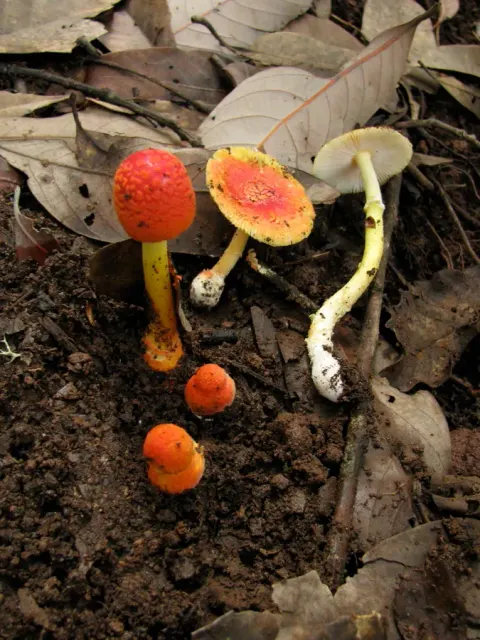
A. roseotincta is a medium-sized Amanita mushroom, with a mature cap ranging from 35-65mm in width and a stipe between 25-150mm in height and 5-20mm in width. Like other Amanita mushrooms, it first appears as an egg or button shape encased by a universal veil; A. roseotinctas is distinct in appearing to have two layers, with the upper layer leaving easily dislodged off-white and quickly darkening pyramidal warts on the cap and the lower layer and partial veil leaving powdery salmon to pink quickly-fading residue on the cap, the underside of the ring, and the stipe. When fully open, the pileus is convex to flat, sometimes showing striation at the edges. The underlying color is cream to white, dry, sometimes with a slight sheen, though this can be obscured under veil remnants. The gills are free, close, and white to cream, and give a white spore print. The stipe is similarly cream-white under a layer of pink to beige pulverulence (with more nearer to the cap) and can bruise reddish. It ends in a swollen round or elliptoid base that is usually at least partially underground. Salmon-orange fragments of universal veil can remain around the volva. When fresh, a skirt-like ring is present on the stipe, pink-beige to white and striate above and powdery pink below, but it is thin, fragile and easily disturbed or lost. Due to the unique veil remnants and their tendency to easily dislodge and quickly change color once exposed to light, the mushroom can look significantly different at different developmental stages, with warty, vivid orange powdery buttons becoming relatively nondescript off-white Amanitas with faint residual tan to beige pulvurulence on the cap over time.
Habitat dan peran ekologis
Amanita roseotincta is found in the United States from New Jersey south to Florida and as far west as Texas. It occurs singly and in groups in pine and mixed-pine forests. Amanita guzmanii, a very similar species from southern Mexico, is a suspected synonym pending research and may mean the range extends farther south than previously identified.
- Habitat atau konteks temuan
- hutan
- Substrat
- Informasi belum tersedia pada sumber rilis ini.
- Peran atau konteks
- Belum dikategorikan pada rilis ini.
Reproduksi
When fully open, the pileus is convex to flat, sometimes showing striation at the edges. The underlying color is cream to white, dry, sometimes with a slight sheen, though this can be obscured under veil remnants. The gills are free, close, and white to cream, and give a white spore print. The stipe is similarly cream-white under a layer of pink to beige pulverulence (with more nearer to the cap) and can bruise reddish. It ends in a swollen round or elliptoid base that is usually at least partially underground. Salmon-orange fragments of universal veil can remain around the volva. When fresh, a skirt-like ring is present on the stipe, pink-beige to white and striate above and powdery pink below, but it is thin, fragile and easily disturbed or lost.
Catatan identitas dan cakupan
- Nama diterima mengikuti Catalogue of Life Base2026-09-11; uraian mempertahankan konsep dan nama sumber aslinya.
- Original geographic, specimen and life-cycle scope retained; source import awaits individual editorial review.
- Impor dan terjemahan otomatis belum diperiksa editorial per profil. Struktur reproduktif yang disebutkan tidak membuktikan seluruh siklus hidup diketahui.
- Pengukuran pada uraian mengikuti spesimen, kultur, dan metode sumber; angka tidak diperluas ke semua populasi.
Catatan distribusi dalam narasi mengikuti sumbernya. Dokumentasi spesimen atau foto mengikuti catatan sumber. Bukti wilayah Indonesia dan penilaian konservasi tidak disimpulkan dari gambar.
Melihat dengan konteks
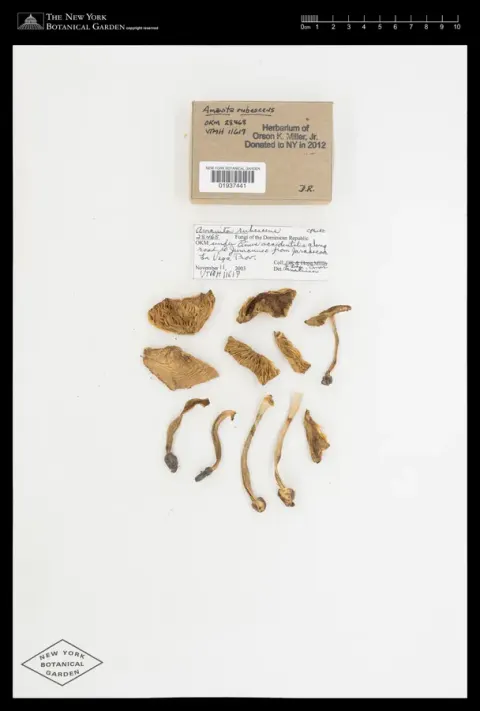
Dokumentasi Amanita roseotincta menurut asosiasi foto pada record takson iNaturalist. Kredit: Bill Sheehan. Identitas mengikuti sumber; bukan penentuan spesimen independen.
- Jenis
- Fotografi
- Kredit
- (c) Bill Sheehan, some rights reserved (CC BY-SA), uploaded by Bill Sheehan
- Lisensi
- CC BY-SA 4.0
- Sumber media
- Buka entri sumber
Dokumentasi tambahan
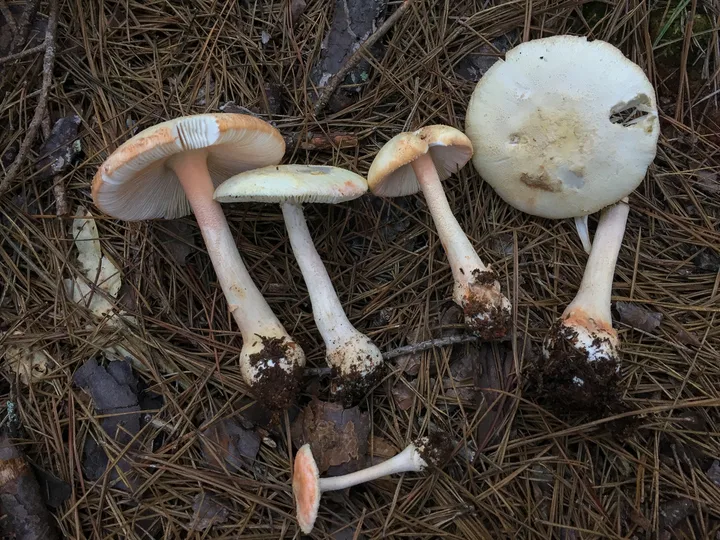
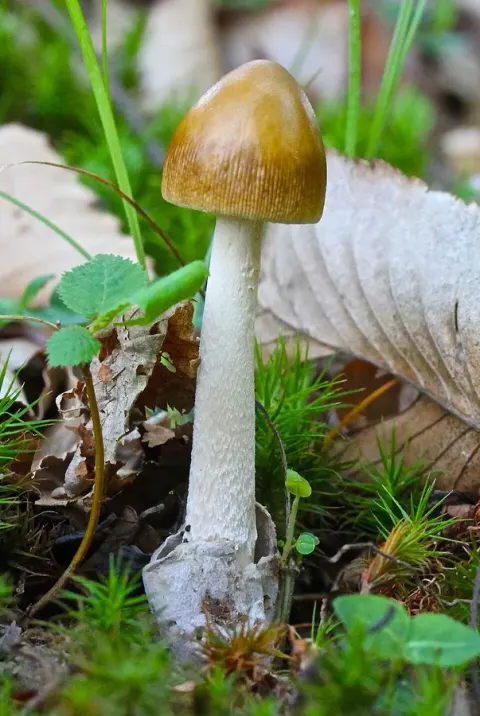
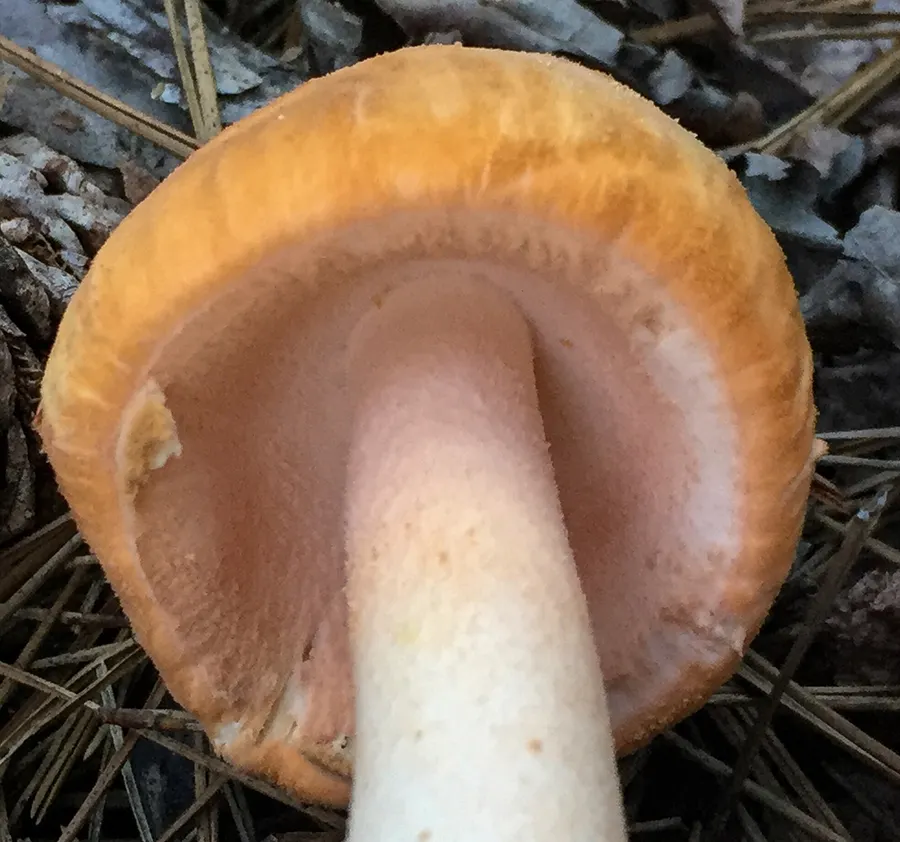
Foto yang diasosiasikan dengan Amanita roseotincta pada iNaturalist. Identifikasi mengikuti sumber; bukan penentuan spesimen independen.
Kredit dan penggunaan
(c) Bill Sheehan, some rights reserved (CC BY-SA), uploaded by Bill Sheehan
Ukuran dan format gambar disesuaikan tanpa pemotongan, retus, atau penambahan skala. Lisensi sumber dipertahankan.
Sumber profil
- [1] Amanita roseotincta — Wikipedia (en)
- [2] Catalogue of Life Base2026-09-11 — Amanita roseotincta
- [3] Dokumentasi visual — Amanita roseotincta
- [4] Dokumentasi visual — Amanita roseotincta
Rujukan halaman ini
Fungi. Amanita roseotincta. Rilis data fungi-2026-10-12-expansion-2. https://fungi-atlas.mgadib.chatgpt.site/jamur/amanita-roseotincta/.
Status: impor sumber; pemeriksaan editorial per profil belum selesai. Untuk klaim biologis, gunakan rujukan pada bagian terkait dan periksa konteks sumber aslinya.