01 / Morfologi

Ciri dan struktur

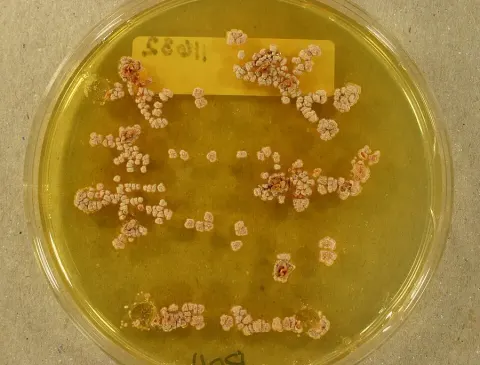
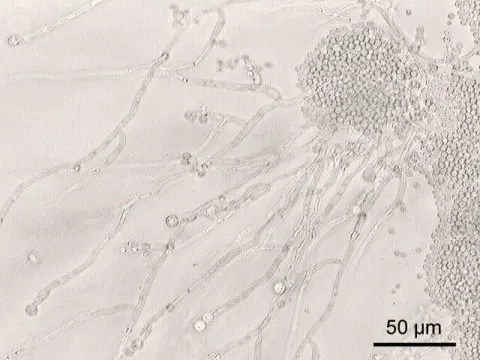
Arthrographis kalrae is primarily known as an asexual fungus, producing single-celled arthroconidia with thin, smooth walls. The fungus grows relatively slowly culture with colonies initially yellowish-white in colour and yeast-like, varying from yellowish-brown to tan in color and powdery at maturity. Most sporogenous hyphae are irregularly branched in a tree-like pattern at the apex. Diversity in colonial morphology does not appear to correlate with genotypic diversity. Some strains develop globose cleistothecia may develop. DNA sequencing and PCR-based methods are useful in confirming the identity of this species.

Sebagian uraian ditampilkan dalam bahasa sumber; terjemahannya belum tersedia atau belum lolos pemeriksaan.

Rujukan: [1]

Pengukuran mengikuti objek, spesimen atau kultur, dan metode yang disebutkan sumber. Baca uraian asli untuk konteks lengkap.

02 / Kehidupan

Habitat dan peran ekologis

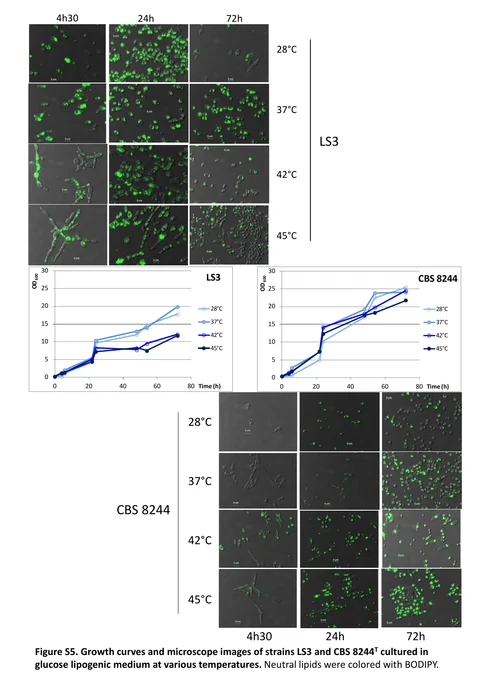
Arthrographis kalrae is widely distributed in air, soil, compost, sputum and skin lesions. A. kalrae infections have been reported from various continents. A. kalrae is saprotrophic and thermotolerant with a range of growth tolerance between 15-45 C. A. kalrae can resist antifungal agents such as cycloheximide and cadmium. This species actively degrades keratin and can invade mammalian hair shafts by the formation of solitary, penetrating hyphae. Moderate antifungal activity is observed with itraconazole and ketoconazole. Terbinafine is associated with strong antifungal activity followed by posaconazole, amphotericin B and echinocandins.

Sebagian uraian ditampilkan dalam bahasa sumber; terjemahannya belum tersedia atau belum lolos pemeriksaan.

Rujukan: [1]

Habitat atau konteks temuan
Informasi belum tersedia pada sumber rilis ini.
Substrat
Informasi belum tersedia pada sumber rilis ini.
Peran atau konteks
Pengurai
Temukan hubungan serupa
03 / Siklus hidup

Reproduksi

Arthrographis kalrae is primarily known as an asexual fungus, producing single-celled arthroconidia with thin, smooth walls. The fungus grows relatively slowly culture with colonies initially yellowish-white in colour and yeast-like, varying from yellowish-brown to tan in color and powdery at maturity. Most sporogenous hyphae are irregularly branched in a tree-like pattern at the apex. Diversity in colonial morphology does not appear to correlate with genotypic diversity. Some strains develop globose cleistothecia may develop. DNA sequencing and PCR-based methods are useful in confirming the identity of this species.

Sebagian uraian ditampilkan dalam bahasa sumber; terjemahannya belum tersedia atau belum lolos pemeriksaan.

Rujukan: [1]

Sinonim menurut acuan taksonomi rilis: Oidiodendron kalrae
04 / Batas informasi

Catatan identitas dan cakupan

  • Nama diterima mengikuti Catalogue of Life Base2026-09-11; uraian mempertahankan konsep dan nama sumber aslinya.
  • Original geographic, specimen and life-cycle scope retained; source import awaits individual editorial review.
  • Impor dan terjemahan otomatis belum diperiksa editorial per profil. Struktur reproduktif yang disebutkan tidak membuktikan seluruh siklus hidup diketahui.
  • Pengukuran pada uraian mengikuti spesimen, kultur, dan metode sumber; angka tidak diperluas ke semua populasi.

Catatan distribusi dalam narasi mengikuti sumbernya. Dokumentasi spesimen atau foto mengikuti catatan sumber. Bukti wilayah Indonesia dan penilaian konservasi tidak disimpulkan dari gambar.

05 / Dokumentasi

Melihat dengan konteks

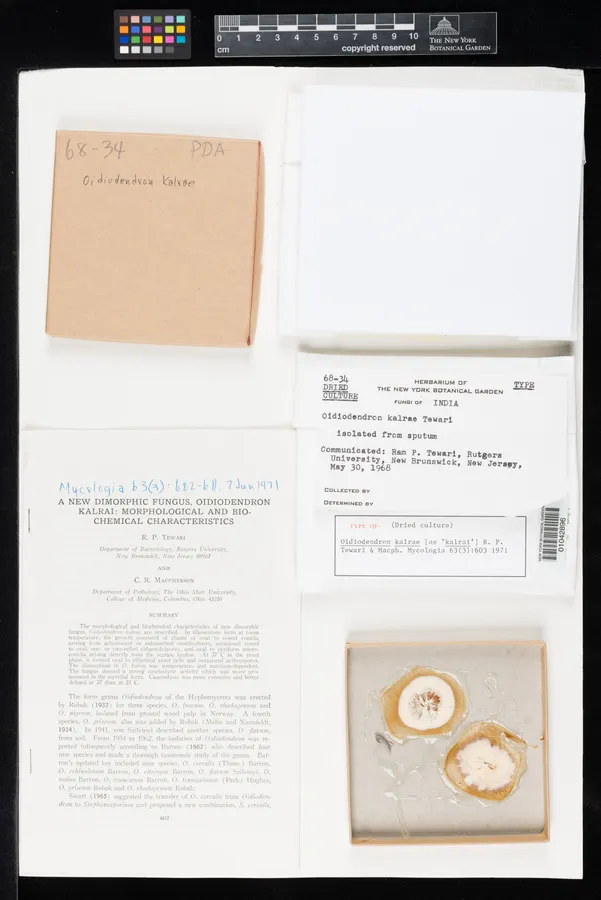
Voucher herbarium Oidiodendron kalrae (01042896), The New York Botanical Garden. Identifikasi mengikuti record spesimen sumber. Foto bahan, kemasan, atau label herbarium sebagaimana tersedia pada record institusi; bukan foto lapangan atau penentuan spesimen independen.

Jenis
Voucher herbarium
Kredit
The New York Botanical Garden
Lisensi
CC BY 4.0
Sumber media
Buka entri sumber

Gambar menunjukkan objek menurut identifikasi sumber, bukan verifikasi independen spesimen oleh Fungi. Tidak ada skala baru yang ditambahkan.

06 / Rujukan

Sumber profil

  1. [1] Arthrographis kalrae — Wikipedia (en)Bagian sumber: Frozen revision 1374092988
    Tanggal penghimpunan sumber: 2026-10-12
    Teks sumber: CC BY-SA4.0 · Wikipedia contributors
  2. [2] Catalogue of Life Base2026-09-11 — Arthrographis kalraeBagian sumber: ColDP NameUsage.tsv ID GYP4; accepted species; source 2073
    Tanggal penghimpunan sumber: 2026-10-12
  3. [3] Dokumentasi visual — Oidiodendron kalraeBagian sumber: Individual media record; identification follows the source, not independent determination
    Tanggal penghimpunan sumber: 2026-10-12
    Media sumber: CC BY 4.0 · The New York Botanical Garden

Adaptasi teks: CC BY-SA 4.0. Wikipedia contributors — Arthrographis kalrae — Wikipedia (en)

Uraian asli dan riwayat sumber

Riwayat atau halaman sumber

Ringkasan sumber

Arthrographis kalrae is primarily known as an asexual fungus, producing single-celled arthroconidia with thin, smooth walls. The fungus grows relatively slowly culture with colonies initially yellowish-white in colour and yeast-like, varying from yellowish-brown to tan in color and powdery at maturity. Most sporogenous hyphae are irregularly branched in a tree-like pattern at the apex. Diversity in colonial morphology does not appear to correlate with genotypic diversity. Some strains develop globose cleistothecia may develop.

Revisi sumber

Morfologi sumber

Arthrographis kalrae is primarily known as an asexual fungus, producing single-celled arthroconidia with thin, smooth walls. The fungus grows relatively slowly culture with colonies initially yellowish-white in colour and yeast-like, varying from yellowish-brown to tan in color and powdery at maturity. Most sporogenous hyphae are irregularly branched in a tree-like pattern at the apex. Diversity in colonial morphology does not appear to correlate with genotypic diversity. Some strains develop globose cleistothecia may develop. DNA sequencing and PCR-based methods are useful in confirming the identity of this species.

Revisi sumber

Ekologi sumber

Arthrographis kalrae is widely distributed in air, soil, compost, sputum and skin lesions. A. kalrae infections have been reported from various continents. A. kalrae is saprotrophic and thermotolerant with a range of growth tolerance between 15-45 C. A. kalrae can resist antifungal agents such as cycloheximide and cadmium. This species actively degrades keratin and can invade mammalian hair shafts by the formation of solitary, penetrating hyphae. Moderate antifungal activity is observed with itraconazole and ketoconazole. Terbinafine is associated with strong antifungal activity followed by posaconazole, amphotericin B and echinocandins.

Revisi sumber

Struktur reproduksi sumber

Arthrographis kalrae is primarily known as an asexual fungus, producing single-celled arthroconidia with thin, smooth walls. The fungus grows relatively slowly culture with colonies initially yellowish-white in colour and yeast-like, varying from yellowish-brown to tan in color and powdery at maturity. Most sporogenous hyphae are irregularly branched in a tree-like pattern at the apex. Diversity in colonial morphology does not appear to correlate with genotypic diversity. Some strains develop globose cleistothecia may develop. DNA sequencing and PCR-based methods are useful in confirming the identity of this species.

Revisi sumber

Rujukan halaman ini

Fungi. Arthrographis kalrae. Rilis data fungi-2026-10-12-expansion-2. https://fungi-atlas.mgadib.chatgpt.site/jamur/arthrographis-kalrae/.

Status: impor sumber; pemeriksaan editorial per profil belum selesai. Untuk klaim biologis, gunakan rujukan pada bagian terkait dan periksa konteks sumber aslinya.