01 / Morfologi

Ciri dan struktur

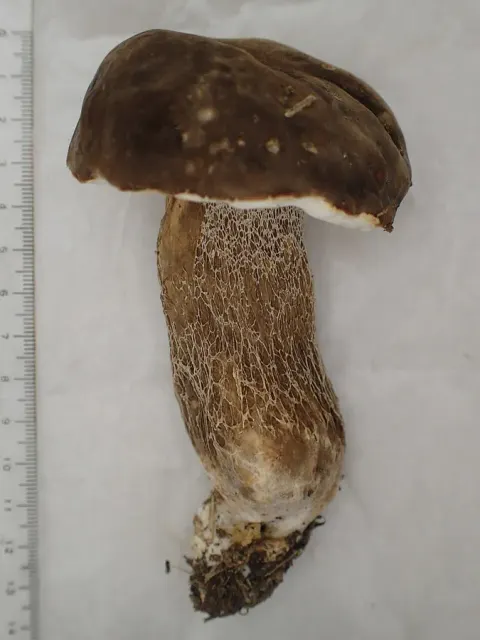
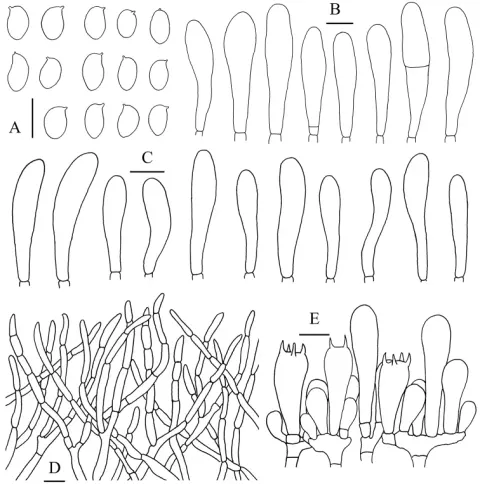
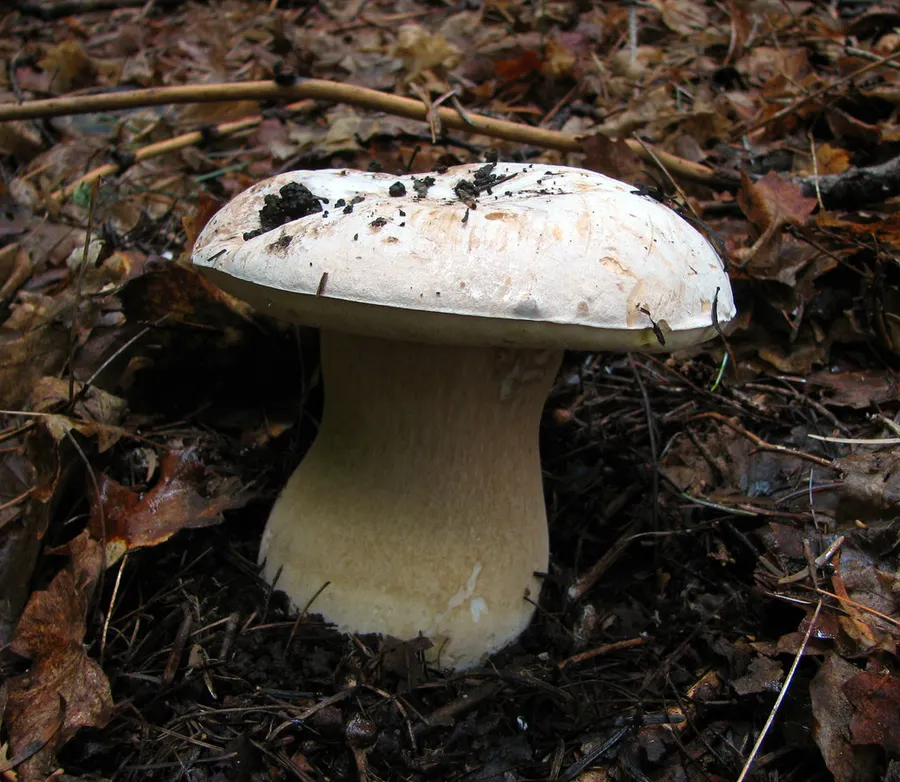
The cap is 5–25 cm in diameter, initially convex in shape before flattening, with a smooth or slightly tomentose surface, and gray-white, white or buff color. The pores are initially whitish, later yellow. The stout stipe is white with a brown reticulated pattern, and may be 6–20 cm high with an apical diameter of 2–6 cm (1–2 in). The spores are elliptical to spindle-shaped and 13–15 x 4–5 μm in dimensions; they produce an olive-brown spore print. Like B. edulis, it is often found eaten by maggots. It has a strong odor while drying.

Sebagian uraian ditampilkan dalam bahasa sumber; terjemahannya belum tersedia atau belum lolos pemeriksaan.

Rujukan: [1]

Pengukuran mengikuti objek, spesimen atau kultur, dan metode yang disebutkan sumber. Baca uraian asli untuk konteks lengkap.

02 / Kehidupan

Habitat dan peran ekologis

Raja putih bolete adalah ektomikoriza, ditemukan di bawah Pinus ponderosa (ponderosa pine) pedalaman, dan Quercus agrifolia (pantai live oak) lebih dekat ke pantai barat. Fruit bodies muncul setelah hujan, dan akan lebih banyak jika ini terjadi pada awal musim gugur daripada kemudian di tahun hingga musim dingin. It is abundant in the warmer parts of its range, namely Arizona and New Mexico, but also occurs in Colorado, west into California It has been recorded from the San Marcos Foothills in Santa Barbara County.

Sebagian uraian ditampilkan dalam bahasa sumber; terjemahannya belum tersedia atau belum lolos pemeriksaan.

Rujukan: [1]

Habitat atau konteks temuan
Informasi belum tersedia pada sumber rilis ini.
Substrat
Informasi belum tersedia pada sumber rilis ini.
Peran atau konteks
Mitra tumbuhan
Temukan hubungan serupa
03 / Siklus hidup

Reproduksi

The cap is 5–25 cm in diameter, initially convex in shape before flattening, with a smooth or slightly tomentose surface, and gray-white, white or buff color. The pores are initially whitish, later yellow. The stout stipe is white with a brown reticulated pattern, and may be 6–20 cm high with an apical diameter of 2–6 cm (1–2 in). The spores are elliptical to spindle-shaped and 13–15 x 4–5 μm in dimensions; they produce an olive-brown spore print.

Sebagian uraian ditampilkan dalam bahasa sumber; terjemahannya belum tersedia atau belum lolos pemeriksaan.

Rujukan: [1]

04 / Batas informasi

Catatan identitas dan cakupan

  • Nama diterima mengikuti Catalogue of Life Base2026-09-11; uraian mempertahankan konsep dan nama sumber aslinya.
  • Original geographic, specimen and life-cycle scope retained; source import awaits individual editorial review.
  • Impor dan terjemahan otomatis belum diperiksa editorial per profil. Struktur reproduktif yang disebutkan tidak membuktikan seluruh siklus hidup diketahui.
  • Pengukuran pada uraian mengikuti spesimen, kultur, dan metode sumber; angka tidak diperluas ke semua populasi.

Catatan distribusi dalam narasi mengikuti sumbernya. Dokumentasi spesimen atau foto mengikuti catatan sumber. Bukti wilayah Indonesia dan penilaian konservasi tidak disimpulkan dari gambar.

05 / Dokumentasi

Melihat dengan konteks

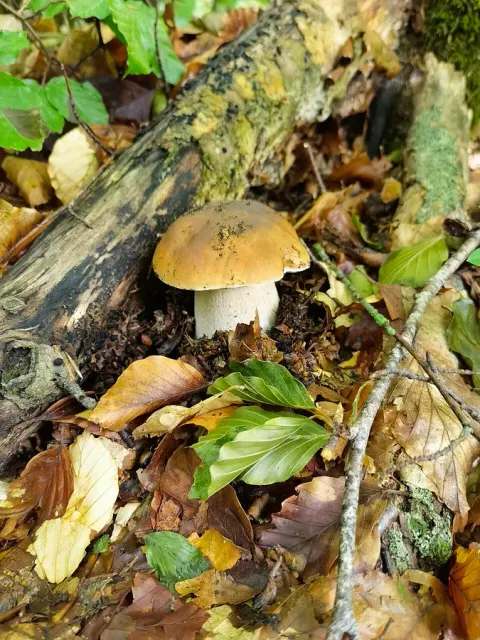
Dokumentasi Boletus barrowsii menurut asosiasi foto pada record takson iNaturalist. Kredit: Katja Schulz. Identitas mengikuti sumber; bukan penentuan spesimen independen.

Jenis
Fotografi
Kredit
(c) Katja Schulz, some rights reserved (CC BY)
Lisensi
CC BY 4.0
Sumber media
Buka entri sumber

Gambar menunjukkan objek menurut identifikasi sumber, bukan verifikasi independen spesimen oleh Fungi. Tidak ada skala baru yang ditambahkan.

06 / Rujukan

Sumber profil

  1. [1] Boletus barrowsii — Wikipedia (en)Bagian sumber: Frozen revision 1296167044
    Tanggal penghimpunan sumber: 2026-10-12
    Teks sumber: CC BY-SA4.0 · Wikipedia contributors
  2. [2] Catalogue of Life Base2026-09-11 — Boletus barrowsiiBagian sumber: ColDP NameUsage.tsv ID MCBJ; accepted species; source 2073
    Tanggal penghimpunan sumber: 2026-10-12
  3. [3] Dokumentasi visual — Boletus barrowsiiBagian sumber: Individual media record; identification follows the source, not independent determination
    Tanggal penghimpunan sumber: 2026-10-12
    Media sumber: CC BY 4.0 · (c) Katja Schulz, some rights reserved (CC BY)

Adaptasi teks: CC BY-SA 4.0. Wikipedia contributors — Boletus barrowsii — Wikipedia (en)

Uraian asli dan riwayat sumber

Riwayat atau halaman sumber

Ringkasan sumber

Boletus barrowsii, also known in English as the white king bolete after its pale colored cap, is a species of fungus in the genus Boletus. It was formerly considered a color variant of B. edulis. It can be found under ponderosa pine and live oak in western North America during autumn. It is edible and highly regarded.

Revisi sumber

Morfologi sumber

The cap is 5–25 cm in diameter, initially convex in shape before flattening, with a smooth or slightly tomentose surface, and gray-white, white or buff color. The pores are initially whitish, later yellow. The stout stipe is white with a brown reticulated pattern, and may be 6–20 cm high with an apical diameter of 2–6 cm (1–2 in). The spores are elliptical to spindle-shaped and 13–15 x 4–5 μm in dimensions; they produce an olive-brown spore print. Like B. edulis, it is often found eaten by maggots. It has a strong odor while drying.

Revisi sumber

Ekologi sumber

The white king bolete is ectomycorrhizal, found under Pinus ponderosa (ponderosa pine) inland, and Quercus agrifolia (coast live oak) closer to the west coast. Fruit bodies appear after rain, and will be more abundant if this occurs in early autumn rather than later in the year through to winter. It is abundant in the warmer parts of its range, namely Arizona and New Mexico, but also occurs in Colorado, west into California It has been recorded from the San Marcos Foothills in Santa Barbara County.

Revisi sumber

Struktur reproduksi sumber

The cap is 5–25 cm in diameter, initially convex in shape before flattening, with a smooth or slightly tomentose surface, and gray-white, white or buff color. The pores are initially whitish, later yellow. The stout stipe is white with a brown reticulated pattern, and may be 6–20 cm high with an apical diameter of 2–6 cm (1–2 in). The spores are elliptical to spindle-shaped and 13–15 x 4–5 μm in dimensions; they produce an olive-brown spore print.

Revisi sumber

Rujukan halaman ini

Fungi. Boletus barrowsii. Rilis data fungi-2026-10-12-expansion-2. https://fungi-atlas.mgadib.chatgpt.site/jamur/boletus-barrowsii/.

Status: impor sumber; pemeriksaan editorial per profil belum selesai. Untuk klaim biologis, gunakan rujukan pada bagian terkait dan periksa konteks sumber aslinya.