Ciri dan struktur
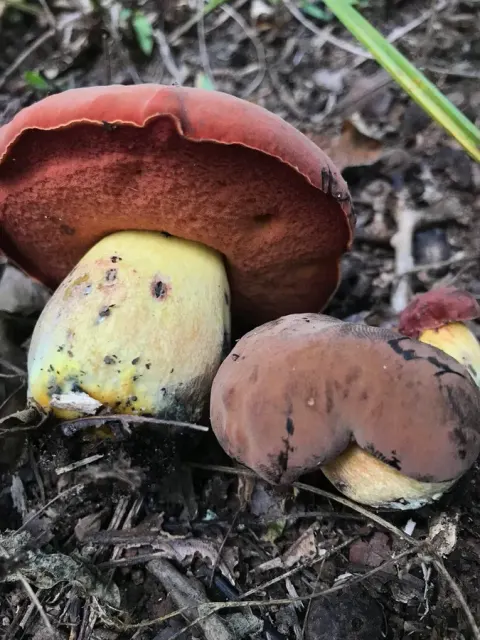
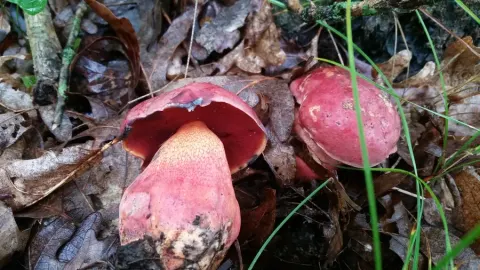
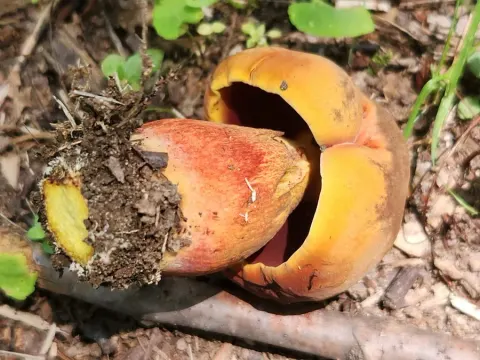
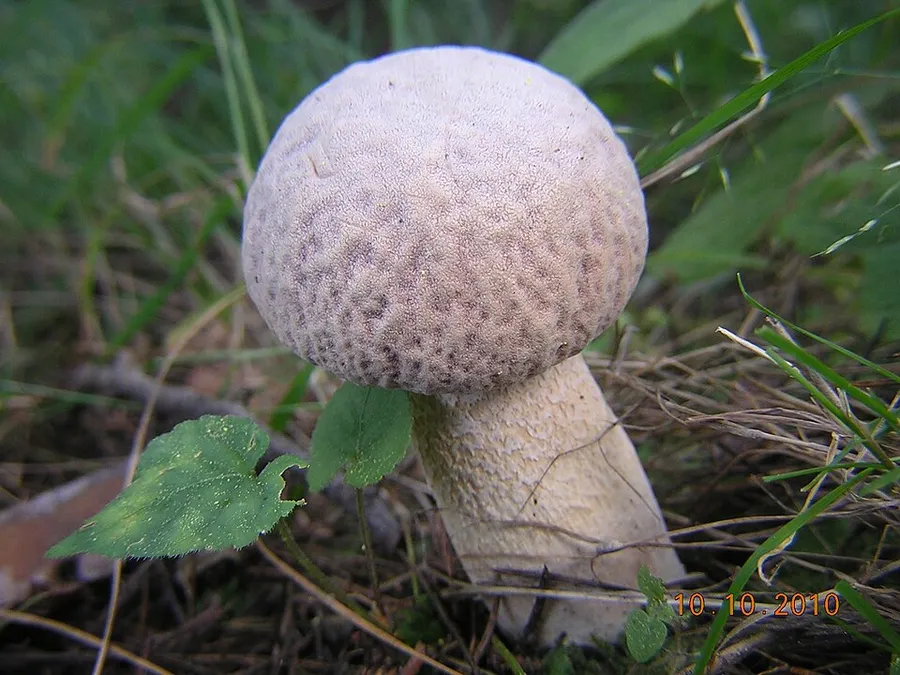
Boletus reticuloceps is a species of fungus in the family Boletaceae. The species was first described scientifically in 1993 as Aureoboletus reticuloceps, and later transferred to the genus Boletus in 2005. The fruit bodies have a dry cap, that is yellowish-brown, deeply wrinkled and reticulated, and covered with fibrils that form minute brown scales. Its stem is finely reticulated. The hymenophore is white when young, but becomes yellow in maturity. The flesh does not change color when bruised or injured. Its spores are olive-brown to brown. The species is found in Asia; the type collection was made in Sichuan, China, growing in forest made largely of Abies fargesii. Similar species include Aureoboletus thibetanus, Boletus castanopsidis, and B. mottiae.
Habitat dan peran ekologis
Boletus reticuloceps is a species of fungus in the family Boletaceae. The species was first described scientifically in 1993 as Aureoboletus reticuloceps, and later transferred to the genus Boletus in 2005. The fruit bodies have a dry cap, that is yellowish-brown, deeply wrinkled and reticulated, and covered with fibrils that form minute brown scales. Its stem is finely reticulated. The hymenophore is white when young, but becomes yellow in maturity. The flesh does not change color when bruised or injured. Its spores are olive-brown to brown. The species is found in Asia; the type collection was made in Sichuan, China, growing in forest made largely of Abies fargesii. Similar species include Aureoboletus thibetanus, Boletus castanopsidis, and B. mottiae.
- Habitat atau konteks temuan
- hutan
- Substrat
- Informasi belum tersedia pada sumber rilis ini.
- Peran atau konteks
- Belum dikategorikan pada rilis ini.
Reproduksi
Boletus reticuloceps is a species of fungus in the family Boletaceae. The species was first described scientifically in 1993 as Aureoboletus reticuloceps, and later transferred to the genus Boletus in 2005. The fruit bodies have a dry cap, that is yellowish-brown, deeply wrinkled and reticulated, and covered with fibrils that form minute brown scales. Its stem is finely reticulated. The hymenophore is white when young, but becomes yellow in maturity. The flesh does not change color when bruised or injured. Its spores are olive-brown to brown. The species is found in Asia; the type collection was made in Sichuan, China, growing in forest made largely of Abies fargesii. Similar species include Aureoboletus thibetanus, Boletus castanopsidis, and B. mottiae.
Catatan identitas dan cakupan
- Nama diterima mengikuti Catalogue of Life Base2026-09-11; uraian mempertahankan konsep dan nama sumber aslinya.
- Original geographic, specimen and life-cycle scope retained; source import awaits individual editorial review.
- Impor dan terjemahan otomatis belum diperiksa editorial per profil. Struktur reproduktif yang disebutkan tidak membuktikan seluruh siklus hidup diketahui.
- Pengukuran pada uraian mengikuti spesimen, kultur, dan metode sumber; angka tidak diperluas ke semua populasi.
Catatan distribusi dalam narasi mengikuti sumbernya. Dokumentasi spesimen atau foto mengikuti catatan sumber. Bukti wilayah Indonesia dan penilaian konservasi tidak disimpulkan dari gambar.
Melihat dengan konteks
Dokumentasi Boletus reticuloceps dari Wikimedia Commons. Fruit body of the polypore fungus Boletus reticuloceps (M.Zang, M.S.Yuan & M.Q.Gong) Q.B.Wang & Y.J.Yao. Photographed in Kalatope wildlife Sanctuary, Dalhousie, Himachal Pradesh, India. Identifikasi mengikuti record berkas sumber.
- Jenis
- Fotografi
- Kredit
- Alok Mahendroo (alok)
- Lisensi
- CC BY-SA 3.0
- Sumber media
- Buka entri sumber
Sumber profil
- [1] Boletus reticuloceps — Wikipedia (en)
- [2] Catalogue of Life Base2026-09-11 — Boletus reticuloceps
- [3] Dokumentasi visual — Boletus reticuloceps
Rujukan halaman ini
Fungi. Boletus reticuloceps. Rilis data fungi-2026-10-12-expansion-2. https://fungi-atlas.mgadib.chatgpt.site/jamur/boletus-reticuloceps/.
Status: impor sumber; pemeriksaan editorial per profil belum selesai. Untuk klaim biologis, gunakan rujukan pada bagian terkait dan periksa konteks sumber aslinya.