Ciri dan struktur
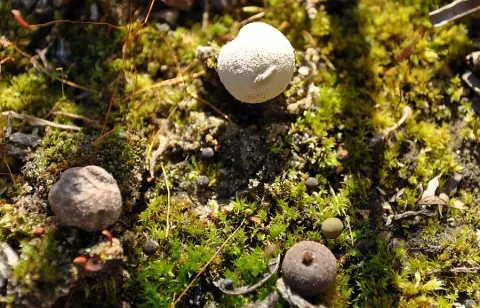
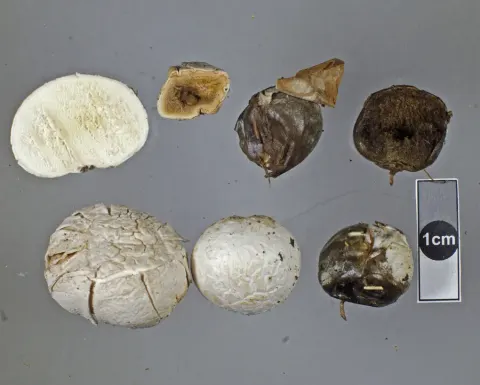
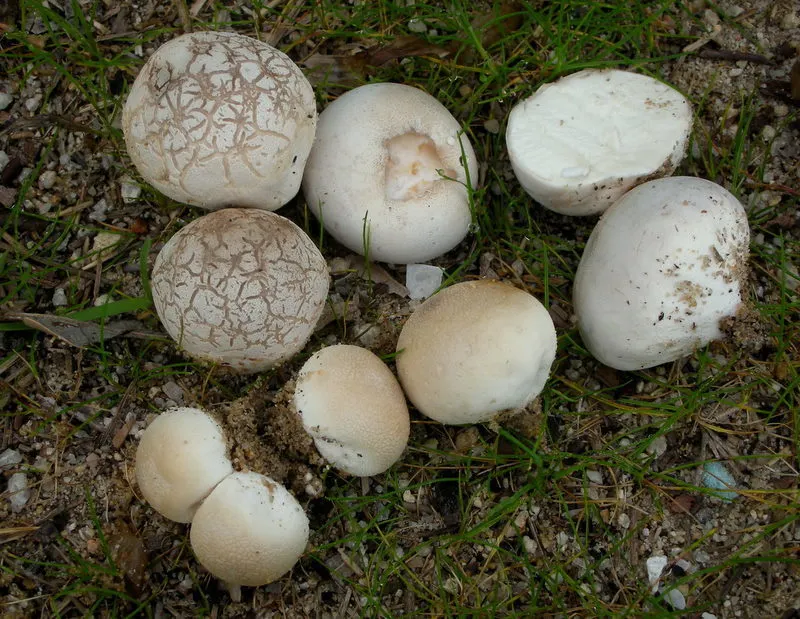
The fruit body is 1.5–3.0 cm broad and varies in shape from spherical to pulvinate (cushion-shaped). It is attached to the substrate by dense masses of hyphae. At first, the exoperidium is white; originally covered in dense filaments, it breaks up into buff, fine warts. With age, a brown, thin endoperidium becomes exposed underneath. The spherical| spores are 3.5–4.5 μm in diameter and moderately thick-walled with smooth warts. In the center lies an oil droplet and a stub-like pedicel. In addition, there is a capillitium from the central part of the gleba with numerous minute pits.
Habitat dan peran ekologis
Bovista aestivalis umumnya tersebar dan/atau dalam kelompok kecil di tepi daerah rumput di sepanjang jalur. They can juga ditemukan di pasir pantai di antara ramuan dan semak. When watered, mereka akan berbuah selama bulan-bulan musim panas dan sepanjang musim gugur dan musim dingin setelah periode hujan. Because of karena ukuran kecil, mereka sering tidak terlihat; meskipun dapat dimakan, mereka sering terlalu kecil untuk menjadi berharga.
- Habitat atau konteks temuan
- Informasi belum tersedia pada sumber rilis ini.
- Substrat
- Informasi belum tersedia pada sumber rilis ini.
- Peran atau konteks
- Belum dikategorikan pada rilis ini.
Reproduksi
The spherical| spores are 3.5–4.5 μm in diameter and moderately thick-walled with smooth warts. In the center lies an oil droplet and a stub-like pedicel. In addition, there is a capillitium from the central part of the gleba with numerous minute pits.
Catatan identitas dan cakupan
- Nama diterima mengikuti Catalogue of Life Base2026-09-11; uraian mempertahankan konsep dan nama sumber aslinya.
- Original geographic, specimen and life-cycle scope retained; source import awaits individual editorial review.
- Impor dan terjemahan otomatis belum diperiksa editorial per profil. Struktur reproduktif yang disebutkan tidak membuktikan seluruh siklus hidup diketahui.
- Pengukuran pada uraian mengikuti spesimen, kultur, dan metode sumber; angka tidak diperluas ke semua populasi.
Catatan distribusi dalam narasi mengikuti sumbernya. Dokumentasi spesimen atau foto mengikuti catatan sumber. Bukti wilayah Indonesia dan penilaian konservasi tidak disimpulkan dari gambar.
Melihat dengan konteks
Dokumentasi Globaria aestivalis menurut asosiasi foto pada record takson iNaturalist. Kredit: MushroomObserverUser|9|Ron Pastorino (Ronpast). Identitas mengikuti sumber; bukan penentuan spesimen independen.
- Jenis
- Fotografi
- Kredit
- (c) MushroomObserverUser|9|Ron Pastorino (Ronpast), some rights reserved (CC BY-SA)
- Lisensi
- CC BY-SA 4.0
- Sumber media
- Buka entri sumber
Dokumentasi tambahan
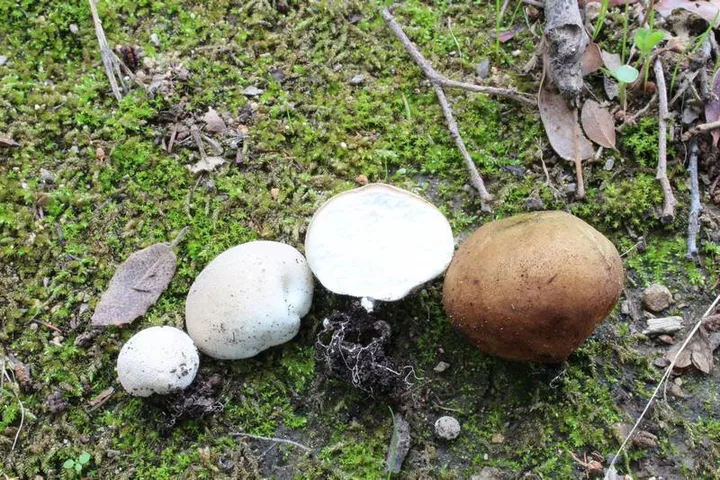
Foto yang diasosiasikan dengan Bovista aestivalis pada iNaturalist. Identifikasi mengikuti sumber; bukan penentuan spesimen independen.
Kredit dan penggunaan
(c) Davide Puddu, some rights reserved (CC BY), uploaded by Davide Puddu
Ukuran dan format gambar disesuaikan tanpa pemotongan, retus, atau penambahan skala. Lisensi sumber dipertahankan.
Sumber profil
- [1] Bovista aestivalis — Wikipedia (en)
- [2] Catalogue of Life Base2026-09-11 — Bovista aestivalis
- [3] Dokumentasi visual — Bovista aestivalis
- [4] Dokumentasi visual — Bovista aestivalis
Rujukan halaman ini
Fungi. Bovista aestivalis. Rilis data fungi-2026-10-12-expansion-2. https://fungi-atlas.mgadib.chatgpt.site/jamur/bovista-aestivalis/.
Status: impor sumber; pemeriksaan editorial per profil belum selesai. Untuk klaim biologis, gunakan rujukan pada bagian terkait dan periksa konteks sumber aslinya.