Ciri dan struktur
An ergot kernel called Sclerotium clavus develops when a floret of flowering grass or cereal is infected by an ascospore of C. purpurea. The infection process mimics a pollen grain growing into an ovary during fertilization. Because infection requires access of the fungal spore to the stigma, plants infected by C. purpurea are mainly outcrossing species with open flowers, such as rye (Secale cereale) and Alopecurus. The proliferating fungal mycelium then destroys the plant ovary and connects with the vascular bundle originally intended for feeding the developing seed. The first stage of ergot infection manifests itself as a white soft tissue (known as Sphacelia segetum) producing sugary honeydew, which often drops out of the infected grass florets. This honeydew contains millions of asexual spores (conidia) which are dispersed to other florets by insects or rain. Later, the Sphacelia segetum convert into a hard dry Sclerotium clavus inside the husk of the floret. At this stage, alkaloids and lipids (e.g. ricinoleic acid) accumulate in the Sclerotium. When a mature Sclerotium drops to the ground, the fungus remains dormant until proper conditions trigger its fruiting phase (onset of spring, rain period, etc.). It germinates, forming one or several fruiting bodies with head and stipe, variously colored (resembling a tiny mushroom). In the head, threadlike sexual spores (ascospores) are formed in perithecia, which are ejected simultaneously, when suitable grass hosts are flowering. Ergot infection causes a reduction in the yield and quality of grain and hay produced, and if infected grain or hay is fed to livestock it may cause a disease called ergotism.
Habitat dan peran ekologis
Claviceps purpurea is an ergot fungus that grows on the ears of rye and related cereal and forage plants. Consumption of grains or seeds contaminated with the survival structure of this fungus, the ergot sclerotium, can cause ergotism in humans and other mammals. C. purpurea most commonly affects outcrossing species such as rye (its most common host), as well as triticale, wheat and barley. It affects oats only rarely.
- Habitat atau konteks temuan
- Informasi belum tersedia pada sumber rilis ini.
- Substrat
- Informasi belum tersedia pada sumber rilis ini.
- Peran atau konteks
- Belum dikategorikan pada rilis ini.
Reproduksi
An ergot kernel called Sclerotium clavus develops when a floret of flowering grass or cereal is infected by an ascospore of C. purpurea. The infection process mimics a pollen grain growing into an ovary during fertilization. Because infection requires access of the fungal spore to the stigma, plants infected by C. purpurea are mainly outcrossing species with open flowers, such as rye (Secale cereale) and Alopecurus. The proliferating fungal mycelium then destroys the plant ovary and connects with the vascular bundle originally intended for feeding the developing seed. The first stage of ergot infection manifests itself as a white soft tissue (known as Sphacelia segetum) producing sugary honeydew, which often drops out of the infected grass florets.
Catatan identitas dan cakupan
- Nama diterima mengikuti Catalogue of Life Base2026-09-11; uraian mempertahankan konsep dan nama sumber aslinya.
- Original geographic, specimen and life-cycle scope retained; source import awaits individual editorial review.
- Impor dan terjemahan otomatis belum diperiksa editorial per profil. Struktur reproduktif yang disebutkan tidak membuktikan seluruh siklus hidup diketahui.
- Pengukuran pada uraian mengikuti spesimen, kultur, dan metode sumber; angka tidak diperluas ke semua populasi.
Catatan distribusi dalam narasi mengikuti sumbernya. Dokumentasi spesimen atau foto mengikuti catatan sumber. Bukti wilayah Indonesia dan penilaian konservasi tidak disimpulkan dari gambar.
Melihat dengan konteks
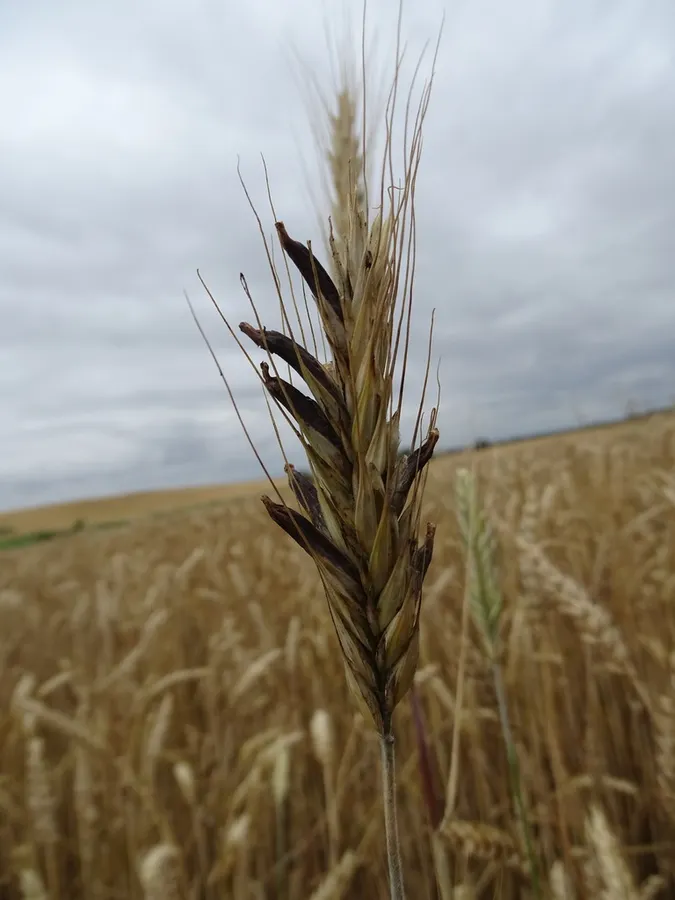
Dokumentasi Claviceps purpurea menurut asosiasi foto pada record takson iNaturalist. Kredit: Grzegorz Grzejszczak. Identitas mengikuti sumber; bukan penentuan spesimen independen.
- Jenis
- Fotografi
- Kredit
- (c) Grzegorz Grzejszczak, some rights reserved (CC BY-SA), uploaded by Grzegorz Grzejszczak
- Lisensi
- CC BY-SA 4.0
- Sumber media
- Buka entri sumber
Dokumentasi tambahan
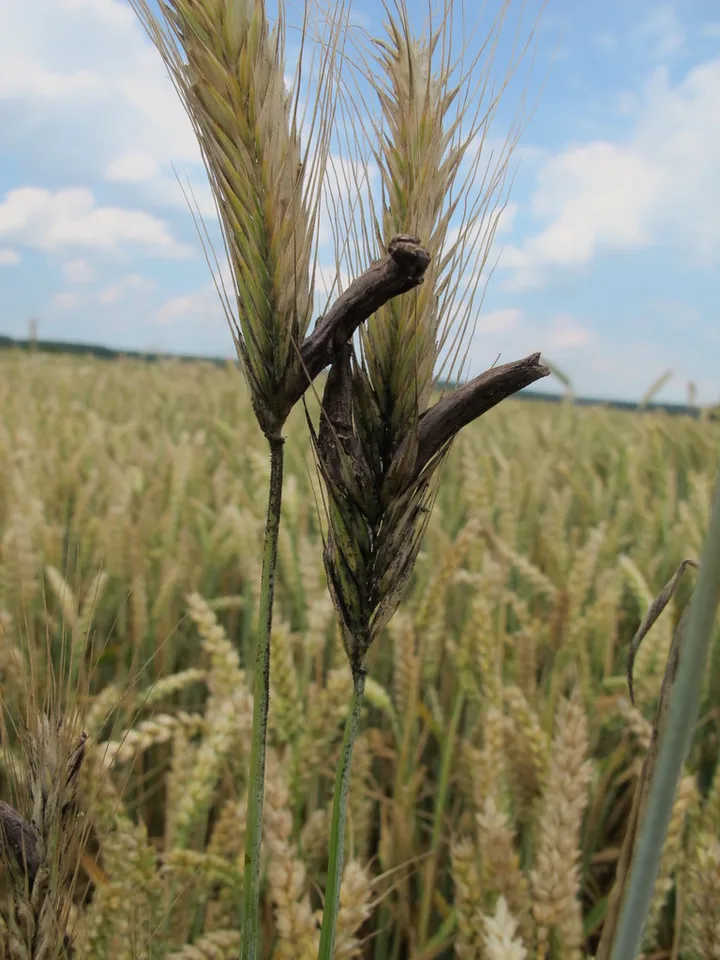
Foto yang diasosiasikan dengan Claviceps purpurea pada iNaturalist. Identifikasi mengikuti sumber; bukan penentuan spesimen independen.
Kredit dan penggunaan
(c) Grzegorz Grzejszczak, some rights reserved (CC BY-SA), uploaded by Grzegorz Grzejszczak
Ukuran dan format gambar disesuaikan tanpa pemotongan, retus, atau penambahan skala. Lisensi sumber dipertahankan.
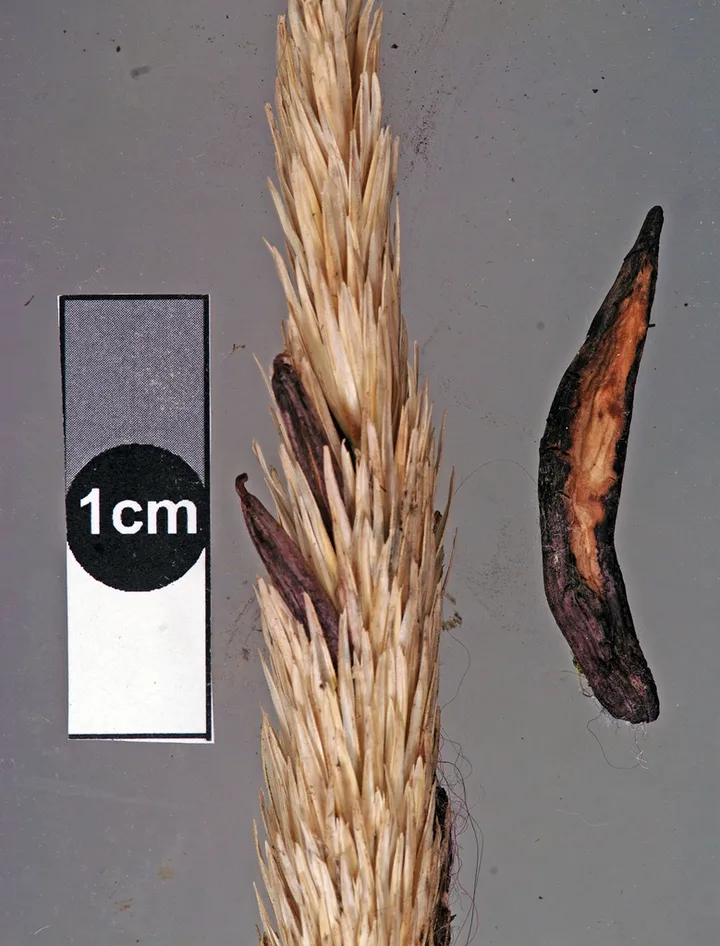
Foto yang diasosiasikan dengan Claviceps purpurea pada iNaturalist. Identifikasi mengikuti sumber; bukan penentuan spesimen independen.
Kredit dan penggunaan
(c) Jerry Cooper, some rights reserved (CC BY), uploaded by Jerry Cooper
Ukuran dan format gambar disesuaikan tanpa pemotongan, retus, atau penambahan skala. Lisensi sumber dipertahankan.
Sumber profil
- [1] Claviceps purpurea — Wikipedia (en)
- [2] Catalogue of Life Base2026-09-11 — Claviceps purpurea
- [3] Dokumentasi visual — Claviceps purpurea
- [4] Dokumentasi visual — Claviceps purpurea
- [5] Dokumentasi visual — Claviceps purpurea
Rujukan halaman ini
Fungi. Claviceps purpurea. Rilis data fungi-2026-10-12-expansion-2. https://fungi-atlas.mgadib.chatgpt.site/jamur/claviceps-purpurea/.
Status: impor sumber; pemeriksaan editorial per profil belum selesai. Untuk klaim biologis, gunakan rujukan pada bagian terkait dan periksa konteks sumber aslinya.