01 / Morfologi

Ciri dan struktur

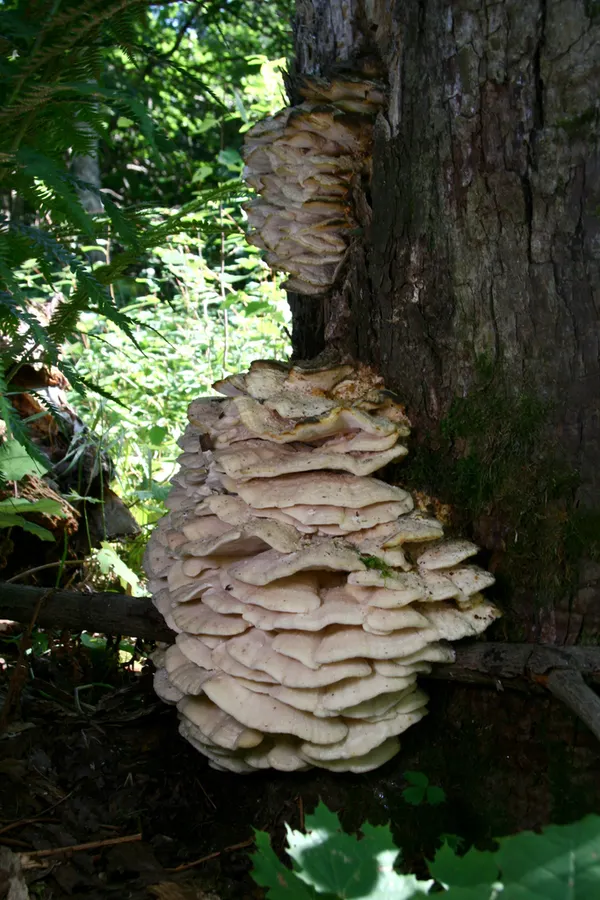
Individual caps are semicircular or kidney-shaped and can reach up to 30 cm across and 2.5-5 cm at the base. They typically occur in large groups that can reach 80 cm in height. Young caps range from mostly white to a yellow-cream color, and slowly become a yellow-brown as they age. The caps tend to persist for multiple weeks, allowing algae to grow, giving them a slightly green appearance. The cap surface can be rough or even hairy, and can have concentric rings radiating out from the base. The underside of the cap has many white spines that reach 1 cm in length and also yellow with age.

Sebagian uraian ditampilkan dalam bahasa sumber; terjemahannya belum tersedia atau belum lolos pemeriksaan.

Rujukan: [1]

Pengukuran mengikuti objek, spesimen atau kultur, dan metode yang disebutkan sumber. Baca uraian asli untuk konteks lengkap.

02 / Kehidupan

Habitat dan peran ekologis

The species is a common cause of heart rot in hardwood trees in their native range, ranging from southern Canada to Kentucky, and as far west as the Great Plains.

Sebagian uraian ditampilkan dalam bahasa sumber; terjemahannya belum tersedia atau belum lolos pemeriksaan.

Rujukan: [1]

Habitat atau konteks temuan
Informasi belum tersedia pada sumber rilis ini.
Substrat
Informasi belum tersedia pada sumber rilis ini.
Peran atau konteks
Belum dikategorikan pada rilis ini.
Temukan hubungan serupa
03 / Siklus hidup

Reproduksi

Climacodon septentrionalis, commonly known as the northern tooth fungus or the white rot fungus, is a species of shelf fungus in the phylum Basidiomycota. It is white in color and can be found in large clusters on the trunks of trees. This species is a plant pathogen native to North America.

Sebagian uraian ditampilkan dalam bahasa sumber; terjemahannya belum tersedia atau belum lolos pemeriksaan.

Rujukan: [1]

Sinonim menurut acuan taksonomi rilis: Creolophus septentrionalis; Hericium septentrionale; Hydnum septentrionale; Hydnum septentrionale f. ramicola; Hydnum septentrionale var. hortense; Pleurodon septentrionalis; Steccherinum septentrionale
04 / Batas informasi

Catatan identitas dan cakupan

  • Nama diterima mengikuti Catalogue of Life Base2026-09-11; uraian mempertahankan konsep dan nama sumber aslinya.
  • Original geographic, specimen and life-cycle scope retained; source import awaits individual editorial review.
  • Impor dan terjemahan otomatis belum diperiksa editorial per profil. Struktur reproduktif yang disebutkan tidak membuktikan seluruh siklus hidup diketahui.
  • Pengukuran pada uraian mengikuti spesimen, kultur, dan metode sumber; angka tidak diperluas ke semua populasi.

Catatan distribusi dalam narasi mengikuti sumbernya. Dokumentasi spesimen atau foto mengikuti catatan sumber. Bukti wilayah Indonesia dan penilaian konservasi tidak disimpulkan dari gambar.

05 / Dokumentasi

Melihat dengan konteks

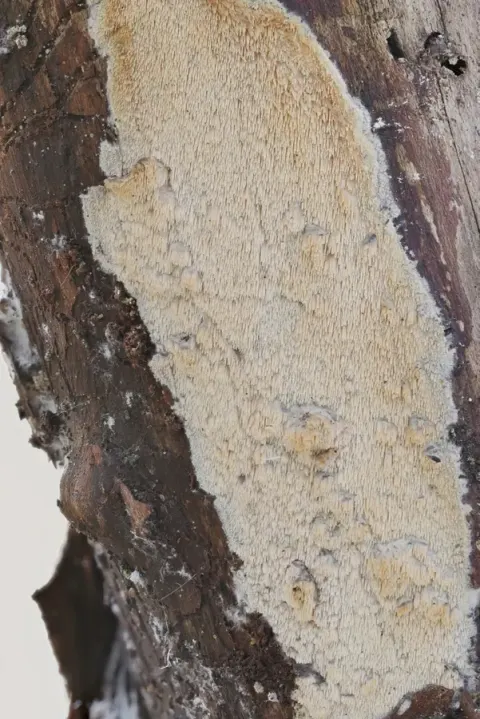
Dokumentasi Climacodon septentrionalis menurut asosiasi foto pada record takson iNaturalist. Kredit: caspar s. Identitas mengikuti sumber; bukan penentuan spesimen independen.

Jenis
Fotografi
Kredit
(c) caspar s, some rights reserved (CC BY)
Lisensi
CC BY 4.0
Sumber media
Buka entri sumber

Gambar menunjukkan objek menurut identifikasi sumber, bukan verifikasi independen spesimen oleh Fungi. Tidak ada skala baru yang ditambahkan.

06 / Rujukan

Sumber profil

  1. [1] Climacodon septentrionalis — Wikipedia (en)Bagian sumber: Frozen revision 1374543610
    Tanggal penghimpunan sumber: 2026-10-12
    Teks sumber: CC BY-SA4.0 · Wikipedia contributors
  2. [2] Catalogue of Life Base2026-09-11 — Climacodon septentrionalisBagian sumber: ColDP NameUsage.tsv ID 5YZYN; accepted species; source 2073
    Tanggal penghimpunan sumber: 2026-10-12
  3. [3] Dokumentasi visual — Climacodon septentrionalisBagian sumber: Individual media record; identification follows the source, not independent determination
    Tanggal penghimpunan sumber: 2026-10-12
    Media sumber: CC BY 4.0 · (c) caspar s, some rights reserved (CC BY)

Adaptasi teks: CC BY-SA 4.0. Wikipedia contributors — Climacodon septentrionalis — Wikipedia (en)

Uraian asli dan riwayat sumber

Riwayat atau halaman sumber

Ringkasan sumber

Individual caps are semicircular or kidney-shaped and can reach up to 30 cm across and 2.5-5 cm at the base. They typically occur in large groups that can reach 80 cm in height. Young caps range from mostly white to a yellow-cream color, and slowly become a yellow-brown as they age. The caps tend to persist for multiple weeks, allowing algae to grow, giving them a slightly green appearance. The cap surface can be rough or even hairy, and can have concentric rings radiating out from the base. The underside of the cap has many white spines that reach 1 cm in length and also yellow with age.

Revisi sumber

Morfologi sumber

Individual caps are semicircular or kidney-shaped and can reach up to 30 cm across and 2.5-5 cm at the base. They typically occur in large groups that can reach 80 cm in height. Young caps range from mostly white to a yellow-cream color, and slowly become a yellow-brown as they age. The caps tend to persist for multiple weeks, allowing algae to grow, giving them a slightly green appearance. The cap surface can be rough or even hairy, and can have concentric rings radiating out from the base. The underside of the cap has many white spines that reach 1 cm in length and also yellow with age.

Revisi sumber

Ekologi sumber

The species is a common cause of heart rot in hardwood trees in their native range, ranging from southern Canada to Kentucky, and as far west as the Great Plains.

Revisi sumber

Struktur reproduksi sumber

Climacodon septentrionalis, commonly known as the northern tooth fungus or the white rot fungus, is a species of shelf fungus in the phylum Basidiomycota. It is white in color and can be found in large clusters on the trunks of trees. This species is a plant pathogen native to North America.

Revisi sumber

Rujukan halaman ini

Fungi. Climacodon septentrionalis. Rilis data fungi-2026-10-12-expansion-2. https://fungi-atlas.mgadib.chatgpt.site/jamur/climacodon-septentrionalis/.

Status: impor sumber; pemeriksaan editorial per profil belum selesai. Untuk klaim biologis, gunakan rujukan pada bagian terkait dan periksa konteks sumber aslinya.