Ciri dan struktur
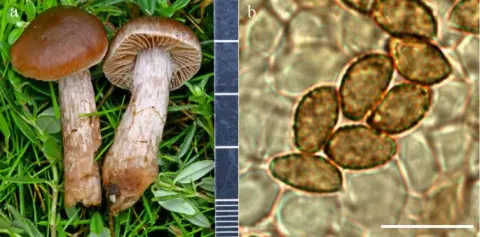
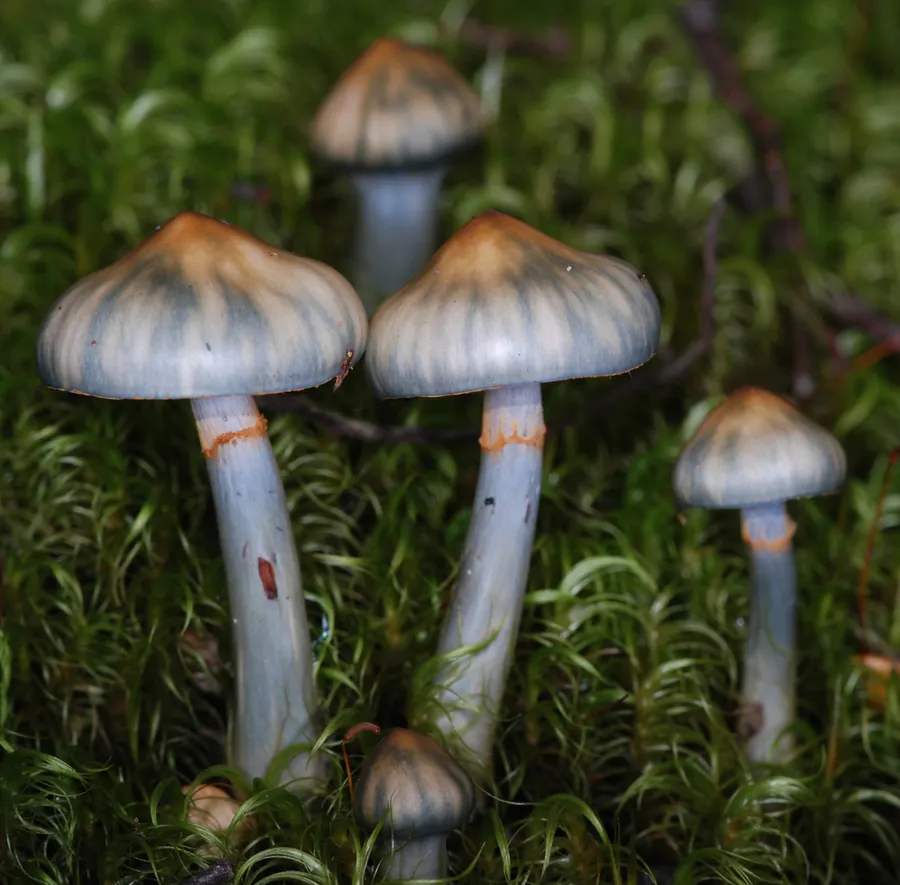
The pileus of Cortinarius aerugineoconicus is up to 50mm in diameter and hygrophanous. In young specimens, it is hemispheric with an incurved margin, and has a steel blue colour often with a green or olive tinge. In mature specimens, it becomes convex to depressed, and fades to yellow or ochre from the centre outwards. The pileus typically has a prominent conical papilla (in both young and old specimens). It is glutinous to viscid in wet conditions, but dries metallic to micaceous. The lamellae are crowded and emarginately attached. They fade from pale blue to rust brown with age. The gill margin is concolorous and entire or subcrenulate. The stipe is up to 80mm long, up to 12mm wide, centrally attached, fusoid to subclavate, and single or cespitose. It has a fibrillose surface with an often poorly developed cortina, and becomes hollow with age. The stipe and stipe context blend from pale blue into yellowish white towards the base, which is typically covered by gluten of yellow or pale ochre. The pileus context has an orange ochre colour directly beneath the pileipellis. The spores are 7.5-9.5μm by 4.5-5.0μm, rust brown (as is the spore print), coarsely verrucose, and amygdaliform to subfusoid. The pileus tissue shows no reaction to ammonia, but stains violaceous with hydrochloric acid and potassium hydroxide. C. aerugineoconicus is indistinct in odour and mild in taste. This species may be mistaken for Cortinarius rotundisporus. However, C. aerugineoconicus is associated with Nothofagus, whereas C. rotundisporus is associated with Leptospermum. Otherwise, spore shape and size are the most distinctive features to differentiate them, as the spores of C. rotundisporus are roughly 6μm by 8μm and globose to subglobose.
Habitat dan peran ekologis
Cortinarius aerugineoconicus occurs in mixed broad-leaf and conifer forests, and grows on soil among litter. It is widely distributed across the South Island of New Zealand with recorded specimens as far north as Nelson and as far south as Fiordland. Specimens have also been recorded on the North Island in Gisborne. This species forms ectomycorrhizal associations with Nothofagus trees, including red beech (N. fusca), silver beech (N. menziesii), mountain beech (N. solandri var. cliffortioides), hard beech (N. truncata), and black beech (N. solandri).
- Habitat atau konteks temuan
- hutan
- Substrat
- tanah
- Peran atau konteks
- Mitra tumbuhan
Reproduksi
The pileus of Cortinarius aerugineoconicus is up to 50mm in diameter and hygrophanous. In young specimens, it is hemispheric with an incurved margin, and has a steel blue colour often with a green or olive tinge. In mature specimens, it becomes convex to depressed, and fades to yellow or ochre from the centre outwards. The pileus typically has a prominent conical papilla (in both young and old specimens). It is glutinous to viscid in wet conditions, but dries metallic to micaceous. The lamellae are crowded and emarginately attached. They fade from pale blue to rust brown with age. The gill margin is concolorous and entire or subcrenulate. The stipe is up to 80mm long, up to 12mm wide, centrally attached, fusoid to subclavate, and single or cespitose.
Catatan identitas dan cakupan
- Nama diterima mengikuti Catalogue of Life Base2026-09-11; uraian mempertahankan konsep dan nama sumber aslinya.
- Original geographic, specimen and life-cycle scope retained; source import awaits individual editorial review.
- Impor dan terjemahan otomatis belum diperiksa editorial per profil. Struktur reproduktif yang disebutkan tidak membuktikan seluruh siklus hidup diketahui.
- Pengukuran pada uraian mengikuti spesimen, kultur, dan metode sumber; angka tidak diperluas ke semua populasi.
Catatan distribusi dalam narasi mengikuti sumbernya. Dokumentasi spesimen atau foto mengikuti catatan sumber. Bukti wilayah Indonesia dan penilaian konservasi tidak disimpulkan dari gambar.
Melihat dengan konteks
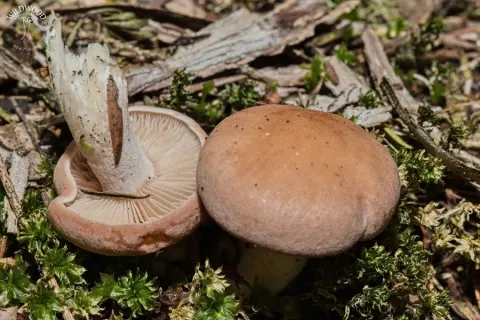
Dokumentasi Cortinarius aerugineoconicus menurut asosiasi foto pada record takson iNaturalist. Kredit: Jerry Cooper. Identitas mengikuti sumber; bukan penentuan spesimen independen.
- Jenis
- Fotografi
- Kredit
- (c) Jerry Cooper, some rights reserved (CC BY), uploaded by Jerry Cooper
- Lisensi
- CC BY 4.0
- Sumber media
- Buka entri sumber
Dokumentasi tambahan
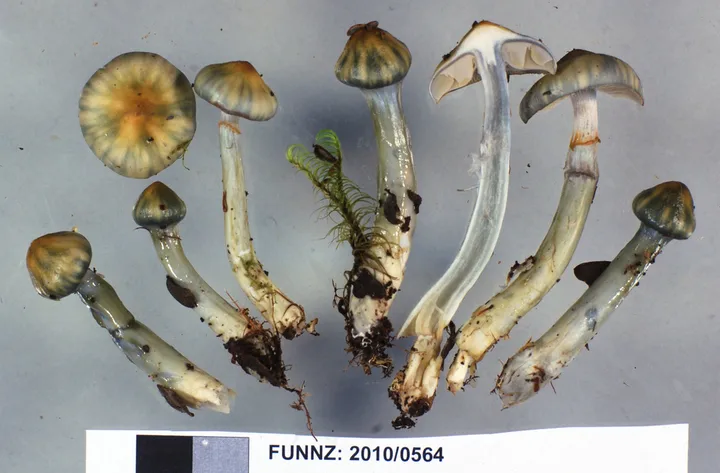
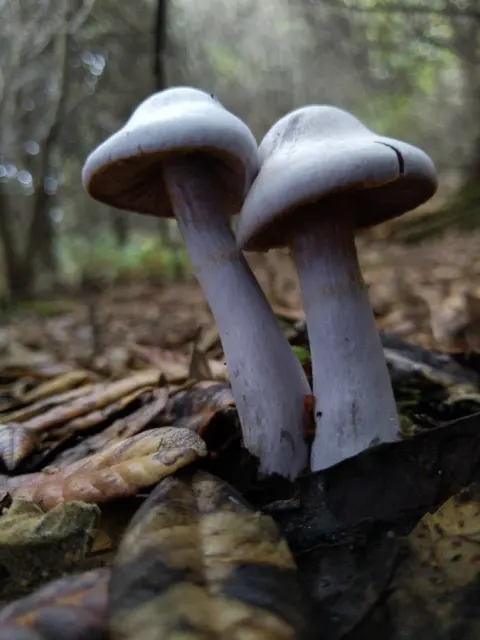
Foto yang diasosiasikan dengan Cortinarius aerugineoconicus pada iNaturalist. Identifikasi mengikuti sumber; bukan penentuan spesimen independen.
Kredit dan penggunaan
(c) Jerry Cooper, some rights reserved (CC BY), uploaded by Jerry Cooper
Ukuran dan format gambar disesuaikan tanpa pemotongan, retus, atau penambahan skala. Lisensi sumber dipertahankan.
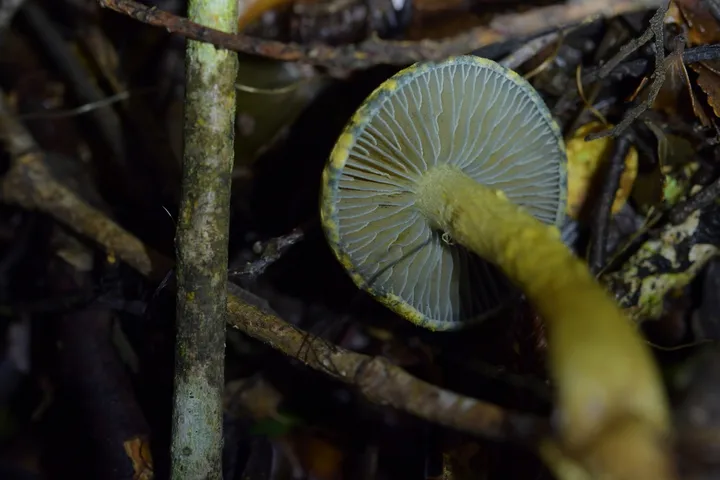
Foto yang diasosiasikan dengan Cortinarius aerugineoconicus pada iNaturalist. Identifikasi mengikuti sumber; bukan penentuan spesimen independen.
Kredit dan penggunaan
(c) Christopher Stephens, some rights reserved (CC BY-SA), uploaded by Christopher Stephens
Ukuran dan format gambar disesuaikan tanpa pemotongan, retus, atau penambahan skala. Lisensi sumber dipertahankan.
Sumber profil
- [1] Cortinarius aerugineoconicus — Wikipedia (en)
- [2] Catalogue of Life Base2026-09-11 — Cortinarius aerugineoconicus
- [3] Dokumentasi visual — Cortinarius aerugineoconicus
- [4] Dokumentasi visual — Cortinarius aerugineoconicus
- [5] Dokumentasi visual — Cortinarius aerugineoconicus
Rujukan halaman ini
Fungi. Cortinarius aerugineoconicus. Rilis data fungi-2026-10-12-expansion-2. https://fungi-atlas.mgadib.chatgpt.site/jamur/cortinarius-aerugineoconicus/.
Status: impor sumber; pemeriksaan editorial per profil belum selesai. Untuk klaim biologis, gunakan rujukan pada bagian terkait dan periksa konteks sumber aslinya.