01 / Morfologi

Ciri dan struktur

Dirina ceratoniae is a species of crustose lichen in the family Roccellaceae. It is found in Europe, where it grows on both bark and on calcium-rich rock. The lichen was formally described as a new species in 1810 by Swedish lichenologist Erik Acharius. Elias Magnus Fries transferred the taxon to genus Dirina in 1831. The lichen has a creamy white to whitish-green thallus with a slightly roughened surface that is 0.1–1.0 mm thick, and a chalk-like medulla. The soralia, if present (usually if apothecia are absent) are to . Apothecia, if present, have a circular outline, a diameter of 0.5–3.0 mm; the apothecial are , white- to dark grey in colour, and are surrounded by a . Ascospores measure 21–26 by 4–5 μm. The expected results of chemical spot tests are C+ (red) on the thallus surface, C− on the medulla, and C+ (faintly red to negative) on the apothecial discs. Lichen products that occur in Dirina ceratoniae are erythrin, lecanoric acid, and an unidentified substance. The lichen is common in Mediterranean Europe, with a range extending west to southern Portugal and northern Morocco. It is capable of growing both on bark, and on rock. Its plant s include the bark of Ficus carica, Ceratonia siliqua, Rosmarinus officinalis, Juniperus phoenicea, Pinus halepensis, P. pinea, Pistacia lentiscus. When it grows on stone, it prefers calcareous substrates. Dirina ceratoniae prefers dry and open areas, usually near the sea. In 2022, it was reported for the first time in Russia, in Dagestan. A couple of collections of the lichen have been made in the Canary Islands, but it is thought that these are the result of introductions from importing plants to the botanical gardens, parks, or hotels.

Sebagian uraian ditampilkan dalam bahasa sumber; terjemahannya belum tersedia atau belum lolos pemeriksaan.

Rujukan: [1]

Pengukuran mengikuti objek, spesimen atau kultur, dan metode yang disebutkan sumber. Baca uraian asli untuk konteks lengkap.

02 / Kehidupan

Habitat dan peran ekologis

Dirina ceratoniae is a species of crustose lichen in the family Roccellaceae. It is found in Europe, where it grows on both bark and on calcium-rich rock. The lichen was formally described as a new species in 1810 by Swedish lichenologist Erik Acharius. Elias Magnus Fries transferred the taxon to genus Dirina in 1831. The lichen is common in Mediterranean Europe, with a range extending west to southern Portugal and northern Morocco. It is capable of growing both on bark, and on rock. Its plant s include the bark of Ficus carica, Ceratonia siliqua, Rosmarinus officinalis, Juniperus phoenicea, Pinus halepensis, P. pinea, Pistacia lentiscus. When it grows on stone, it prefers calcareous substrates. Dirina ceratoniae prefers dry and open areas, usually near the sea. In 2022, it was reported for the first time in Russia, in Dagestan. A couple of collections of the lichen have been made in the Canary Islands, but it is thought that these are the result of introductions from importing plants to the botanical gardens, parks, or hotels.

Sebagian uraian ditampilkan dalam bahasa sumber; terjemahannya belum tersedia atau belum lolos pemeriksaan.

Rujukan: [1]

Habitat atau konteks temuan
Informasi belum tersedia pada sumber rilis ini.
Substrat
kulit kayu
Peran atau konteks
Pembentuk liken
Temukan hubungan serupa
03 / Siklus hidup

Reproduksi

The lichen has a creamy white to whitish-green thallus with a slightly roughened surface that is 0.1–1.0 mm thick, and a chalk-like medulla. The soralia, if present (usually if apothecia are absent) are to . Apothecia, if present, have a circular outline, a diameter of 0.5–3.0 mm; the apothecial are , white- to dark grey in colour, and are surrounded by a . Ascospores measure 21–26 by 4–5 μm. The expected results of chemical spot tests are C+ (red) on the thallus surface, C− on the medulla, and C+ (faintly red to negative) on the apothecial discs. Lichen products that occur in Dirina ceratoniae are erythrin, lecanoric acid, and an unidentified substance.

Sebagian uraian ditampilkan dalam bahasa sumber; terjemahannya belum tersedia atau belum lolos pemeriksaan.

Rujukan: [1]

Sinonim menurut acuan taksonomi rilis: Dirina repanda; Dirina repanda var. ceratoniae; Lecania ceratoniae; Lecanora ceratoniae; Lichen peltatus ceratoniae; Parmelia ceratoniae; Secoliga repanda; Urceolaria repanda
04 / Batas informasi

Catatan identitas dan cakupan

  • Nama diterima mengikuti Catalogue of Life Base2026-09-11; uraian mempertahankan konsep dan nama sumber aslinya.
  • Original geographic, specimen and life-cycle scope retained; source import awaits individual editorial review.
  • Impor dan terjemahan otomatis belum diperiksa editorial per profil. Struktur reproduktif yang disebutkan tidak membuktikan seluruh siklus hidup diketahui.
  • Pengukuran pada uraian mengikuti spesimen, kultur, dan metode sumber; angka tidak diperluas ke semua populasi.

Catatan distribusi dalam narasi mengikuti sumbernya. Dokumentasi spesimen atau foto mengikuti catatan sumber. Bukti wilayah Indonesia dan penilaian konservasi tidak disimpulkan dari gambar.

05 / Dokumentasi

Melihat dengan konteks

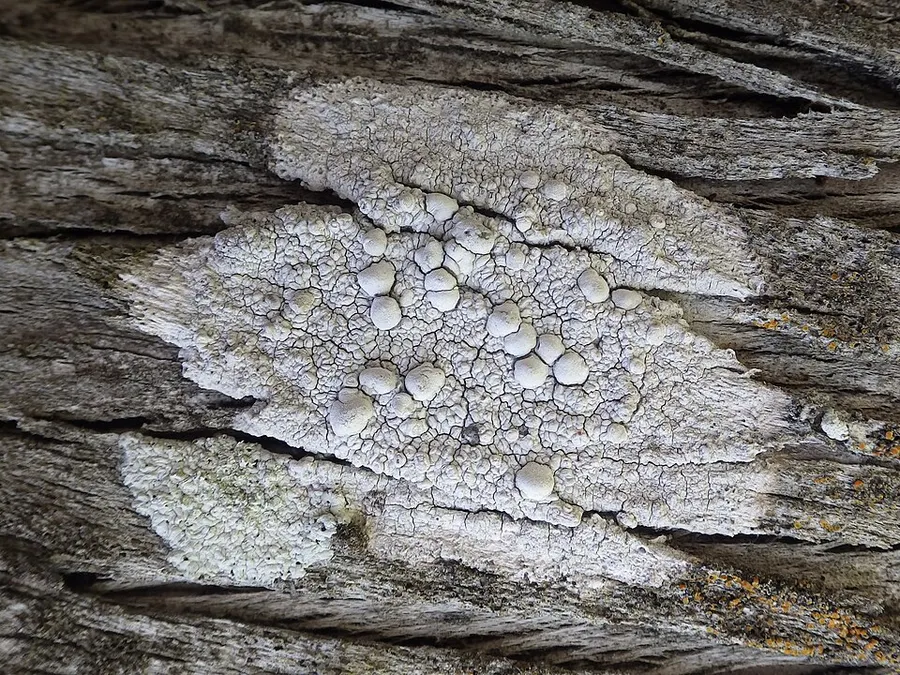
Dokumentasi Dirina ceratoniae dari Wikimedia Commons. The bark-dwelling, crustose lichen Dirina ceratoniae (Ach.) Fr., photographed in Peniche, Portugal. Identifikasi mengikuti record berkas sumber.

Jenis
Fotografi
Kredit
zaca (Zaca Lepista)
Sumber media
Buka entri sumber

Gambar menunjukkan objek menurut identifikasi sumber, bukan verifikasi independen spesimen oleh Fungi. Tidak ada skala baru yang ditambahkan.

06 / Rujukan

Sumber profil

  1. [1] Dirina ceratoniae — Wikipedia (en)Bagian sumber: Frozen revision 1196437517
    Tanggal penghimpunan sumber: 2026-10-12
    Teks sumber: CC BY-SA4.0 · Wikipedia contributors
  2. [2] Catalogue of Life Base2026-09-11 — Dirina ceratoniaeBagian sumber: ColDP NameUsage.tsv ID 36RKZ; accepted species; source 2073
    Tanggal penghimpunan sumber: 2026-10-12
  3. [3] Dokumentasi visual — Dirina ceratoniaeBagian sumber: Individual media record; identification follows the source, not independent determination
    Tanggal penghimpunan sumber: 2026-10-12
    Media sumber: CC BY-SA 3.0 · zaca (Zaca Lepista)

Adaptasi teks: CC BY-SA 4.0. Wikipedia contributors — Dirina ceratoniae — Wikipedia (en)

Uraian asli dan riwayat sumber

Riwayat atau halaman sumber

Ringkasan sumber

Dirina ceratoniae is a species of crustose lichen in the family Roccellaceae. It is found in Europe, where it grows on both bark and on calcium-rich rock. The lichen was formally described as a new species in 1810 by Swedish lichenologist Erik Acharius. Elias Magnus Fries transferred the taxon to genus Dirina in 1831. The lichen has a creamy white to whitish-green thallus with a slightly roughened surface that is 0.1–1.0 mm thick, and a chalk-like medulla. The soralia, if present (usually if apothecia are absent) are to .

Revisi sumber

Morfologi sumber

Dirina ceratoniae is a species of crustose lichen in the family Roccellaceae. It is found in Europe, where it grows on both bark and on calcium-rich rock. The lichen was formally described as a new species in 1810 by Swedish lichenologist Erik Acharius. Elias Magnus Fries transferred the taxon to genus Dirina in 1831. The lichen has a creamy white to whitish-green thallus with a slightly roughened surface that is 0.1–1.0 mm thick, and a chalk-like medulla. The soralia, if present (usually if apothecia are absent) are to . Apothecia, if present, have a circular outline, a diameter of 0.5–3.0 mm; the apothecial are , white- to dark grey in colour, and are surrounded by a . Ascospores measure 21–26 by 4–5 μm. The expected results of chemical spot tests are C+ (red) on the thallus surface, C− on the medulla, and C+ (faintly red to negative) on the apothecial discs. Lichen products that occur in Dirina ceratoniae are erythrin, lecanoric acid, and an unidentified substance. The lichen is common in Mediterranean Europe, with a range extending west to southern Portugal and northern Morocco. It is capable of growing both on bark, and on rock. Its plant s include the bark of Ficus carica, Ceratonia siliqua, Rosmarinus officinalis, Juniperus phoenicea, Pinus halepensis, P. pinea, Pistacia lentiscus. When it grows on stone, it prefers calcareous substrates. Dirina ceratoniae prefers dry and open areas, usually near the sea. In 2022, it was reported for the first time in Russia, in Dagestan. A couple of collections of the lichen have been made in the Canary Islands, but it is thought that these are the result of introductions from importing plants to the botanical gardens, parks, or hotels.

Revisi sumber

Ekologi sumber

Dirina ceratoniae is a species of crustose lichen in the family Roccellaceae. It is found in Europe, where it grows on both bark and on calcium-rich rock. The lichen was formally described as a new species in 1810 by Swedish lichenologist Erik Acharius. Elias Magnus Fries transferred the taxon to genus Dirina in 1831. The lichen is common in Mediterranean Europe, with a range extending west to southern Portugal and northern Morocco. It is capable of growing both on bark, and on rock. Its plant s include the bark of Ficus carica, Ceratonia siliqua, Rosmarinus officinalis, Juniperus phoenicea, Pinus halepensis, P. pinea, Pistacia lentiscus. When it grows on stone, it prefers calcareous substrates. Dirina ceratoniae prefers dry and open areas, usually near the sea. In 2022, it was reported for the first time in Russia, in Dagestan. A couple of collections of the lichen have been made in the Canary Islands, but it is thought that these are the result of introductions from importing plants to the botanical gardens, parks, or hotels.

Revisi sumber

Struktur reproduksi sumber

The lichen has a creamy white to whitish-green thallus with a slightly roughened surface that is 0.1–1.0 mm thick, and a chalk-like medulla. The soralia, if present (usually if apothecia are absent) are to . Apothecia, if present, have a circular outline, a diameter of 0.5–3.0 mm; the apothecial are , white- to dark grey in colour, and are surrounded by a . Ascospores measure 21–26 by 4–5 μm. The expected results of chemical spot tests are C+ (red) on the thallus surface, C− on the medulla, and C+ (faintly red to negative) on the apothecial discs. Lichen products that occur in Dirina ceratoniae are erythrin, lecanoric acid, and an unidentified substance.

Revisi sumber

Rujukan halaman ini

Fungi. Dirina ceratoniae. Rilis data fungi-2026-10-12-expansion-2. https://fungi-atlas.mgadib.chatgpt.site/jamur/dirina-ceratoniae/.

Status: impor sumber; pemeriksaan editorial per profil belum selesai. Untuk klaim biologis, gunakan rujukan pada bagian terkait dan periksa konteks sumber aslinya.