01 / Morfologi

Ciri dan struktur

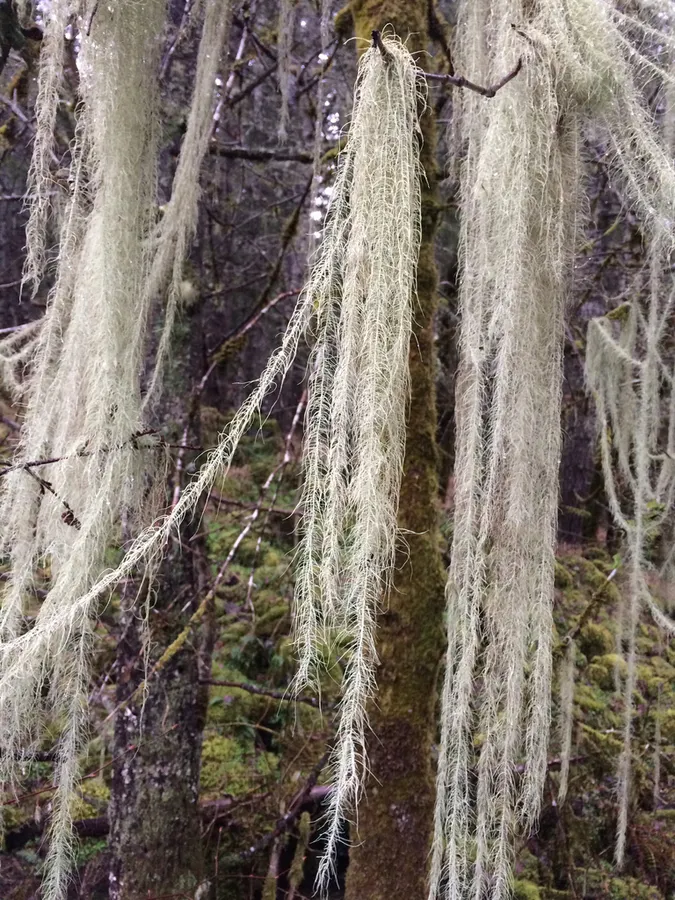
This lichen is fruticose, with very long stems and short, even side branches. It is considered the longest lichen in the world. The stems are usually 15 to 30 cm in length but are sometimes much longer, growing to 3 metres long. It is pale green to silvery-yellow. It has a distinct central cord, which is white. Dolichousnea longissima reproduces asexually predominantly through fragmentation. Spore-producing structures are rarely observed. It can double its length each year.

Sebagian uraian ditampilkan dalam bahasa sumber; terjemahannya belum tersedia atau belum lolos pemeriksaan.

Rujukan: [1]

Pengukuran mengikuti objek, spesimen atau kultur, dan metode yang disebutkan sumber. Baca uraian asli untuk konteks lengkap.

02 / Kehidupan

Habitat dan peran ekologis

Dolichousnea longissima is found in boreal forests and coastal woodland in Europe, Asia, and North America. In North America, it is primarily found on the Pacific Coast, and the largest populations are concentrated in the Pacific Northwest. It ranges from Upper Midwest into Canada, the Great Lakes region, and extends to the coast of the Atlantic ocean. It was historically circumboreal, but has become regionally extinct from some areas of Europe and Scandinavia. In Nepal, D. longissima has been reported from 2,700 to 3,750 m elevation in a compilation of published records. In Italy, it is restricted to a handful of the most favourable locations in the Alps, and is listed as critically endangered in the Italian red list of epiphytic lichens. The species grows within the canopies of coniferous trees, primarily those found in old growth coniferous forests in regions with high rainfall and humidity, and frequent fog. Air pollution heavily affects the metabolic functions of the species, and as a result, populations have declined. Industrial logging has also had detrimental impacts on population numbers.

Sebagian uraian ditampilkan dalam bahasa sumber; terjemahannya belum tersedia atau belum lolos pemeriksaan.

Rujukan: [1]

Habitat atau konteks temuan
hutan
Substrat
Informasi belum tersedia pada sumber rilis ini.
Peran atau konteks
Pembentuk liken
Temukan hubungan serupa
03 / Siklus hidup

Reproduksi

Dolichousnea longissima reproduces asexually predominantly through fragmentation. Spore-producing structures are rarely observed. It can double its length each year.

Sebagian uraian ditampilkan dalam bahasa sumber; terjemahannya belum tersedia atau belum lolos pemeriksaan.

Rujukan: [1]

Sinonim menurut acuan taksonomi rilis: Parmelia coralloidea var. longissima; Parmelia longissima; Usnea barbata var. longissima; Usnea longissima
04 / Batas informasi

Catatan identitas dan cakupan

  • Nama diterima mengikuti Catalogue of Life Base2026-09-11; uraian mempertahankan konsep dan nama sumber aslinya.
  • Original geographic, specimen and life-cycle scope retained; source import awaits individual editorial review.
  • Impor dan terjemahan otomatis belum diperiksa editorial per profil. Struktur reproduktif yang disebutkan tidak membuktikan seluruh siklus hidup diketahui.
  • Pengukuran pada uraian mengikuti spesimen, kultur, dan metode sumber; angka tidak diperluas ke semua populasi.

Catatan distribusi dalam narasi mengikuti sumbernya. Dokumentasi spesimen atau foto mengikuti catatan sumber. Bukti wilayah Indonesia dan penilaian konservasi tidak disimpulkan dari gambar.

05 / Dokumentasi

Melihat dengan konteks

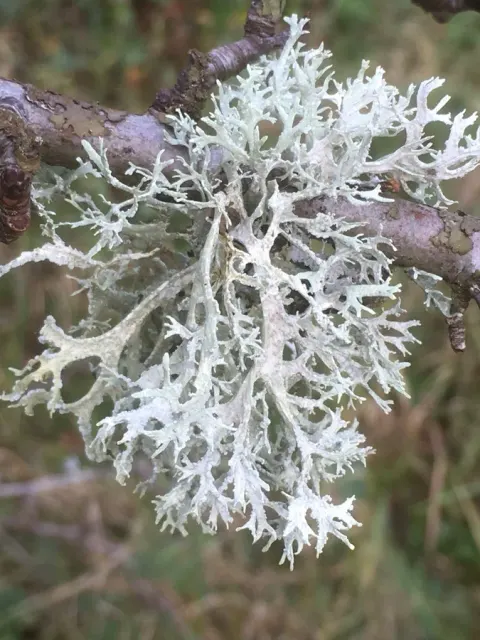
Dokumentasi Usnea longissima menurut asosiasi foto pada record takson iNaturalist. Kredit: B. Phalan. Identitas mengikuti sumber; bukan penentuan spesimen independen.

Jenis
Fotografi
Kredit
(c) B. Phalan, some rights reserved (CC BY), uploaded by B. Phalan
Lisensi
CC BY 4.0
Sumber media
Buka entri sumber

Gambar menunjukkan objek menurut identifikasi sumber, bukan verifikasi independen spesimen oleh Fungi. Tidak ada skala baru yang ditambahkan.

06 / Rujukan

Sumber profil

  1. [1] Dolichousnea longissima — Wikipedia (en)Bagian sumber: Frozen revision 1345690539
    Tanggal penghimpunan sumber: 2026-10-12
    Teks sumber: CC BY-SA4.0 · Wikipedia contributors
  2. [2] Catalogue of Life Base2026-09-11 — Dolichousnea longissimaBagian sumber: ColDP NameUsage.tsv ID 377DH; accepted species; source 2073
    Tanggal penghimpunan sumber: 2026-10-12
  3. [3] Dokumentasi visual — Usnea longissimaBagian sumber: Individual media record; identification follows the source, not independent determination
    Tanggal penghimpunan sumber: 2026-10-12
    Media sumber: CC BY 4.0 · (c) B. Phalan, some rights reserved (CC BY), uploaded by B. Phalan

Adaptasi teks: CC BY-SA 4.0. Wikipedia contributors — Dolichousnea longissima — Wikipedia (en)

Uraian asli dan riwayat sumber

Riwayat atau halaman sumber

Ringkasan sumber

This lichen is fruticose, with very long stems and short, even side branches. It is considered the longest lichen in the world. The stems are usually 15 to 30 cm in length but are sometimes much longer, growing to 3 metres long. It is pale green to silvery-yellow. It has a distinct central cord, which is white. Dolichousnea longissima reproduces asexually predominantly through fragmentation. Spore-producing structures are rarely observed. It can double its length each year.

Revisi sumber

Morfologi sumber

This lichen is fruticose, with very long stems and short, even side branches. It is considered the longest lichen in the world. The stems are usually 15 to 30 cm in length but are sometimes much longer, growing to 3 metres long. It is pale green to silvery-yellow. It has a distinct central cord, which is white. Dolichousnea longissima reproduces asexually predominantly through fragmentation. Spore-producing structures are rarely observed. It can double its length each year.

Revisi sumber

Ekologi sumber

Dolichousnea longissima is found in boreal forests and coastal woodland in Europe, Asia, and North America. In North America, it is primarily found on the Pacific Coast, and the largest populations are concentrated in the Pacific Northwest. It ranges from Upper Midwest into Canada, the Great Lakes region, and extends to the coast of the Atlantic ocean. It was historically circumboreal, but has become regionally extinct from some areas of Europe and Scandinavia. In Nepal, D. longissima has been reported from 2,700 to 3,750 m elevation in a compilation of published records. In Italy, it is restricted to a handful of the most favourable locations in the Alps, and is listed as critically endangered in the Italian red list of epiphytic lichens. The species grows within the canopies of coniferous trees, primarily those found in old growth coniferous forests in regions with high rainfall and humidity, and frequent fog. Air pollution heavily affects the metabolic functions of the species, and as a result, populations have declined. Industrial logging has also had detrimental impacts on population numbers.

Revisi sumber

Struktur reproduksi sumber

Dolichousnea longissima reproduces asexually predominantly through fragmentation. Spore-producing structures are rarely observed. It can double its length each year.

Revisi sumber

Rujukan halaman ini

Fungi. Dolichousnea longissima. Rilis data fungi-2026-10-12-expansion-2. https://fungi-atlas.mgadib.chatgpt.site/jamur/dolichousnea-longissima/.

Status: impor sumber; pemeriksaan editorial per profil belum selesai. Untuk klaim biologis, gunakan rujukan pada bagian terkait dan periksa konteks sumber aslinya.