01 / Morfologi

Ciri dan struktur

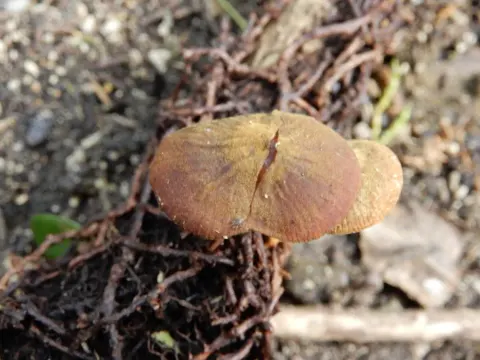
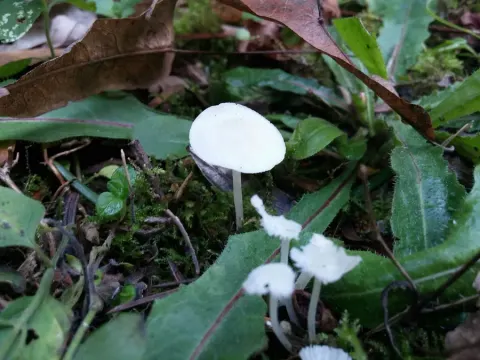
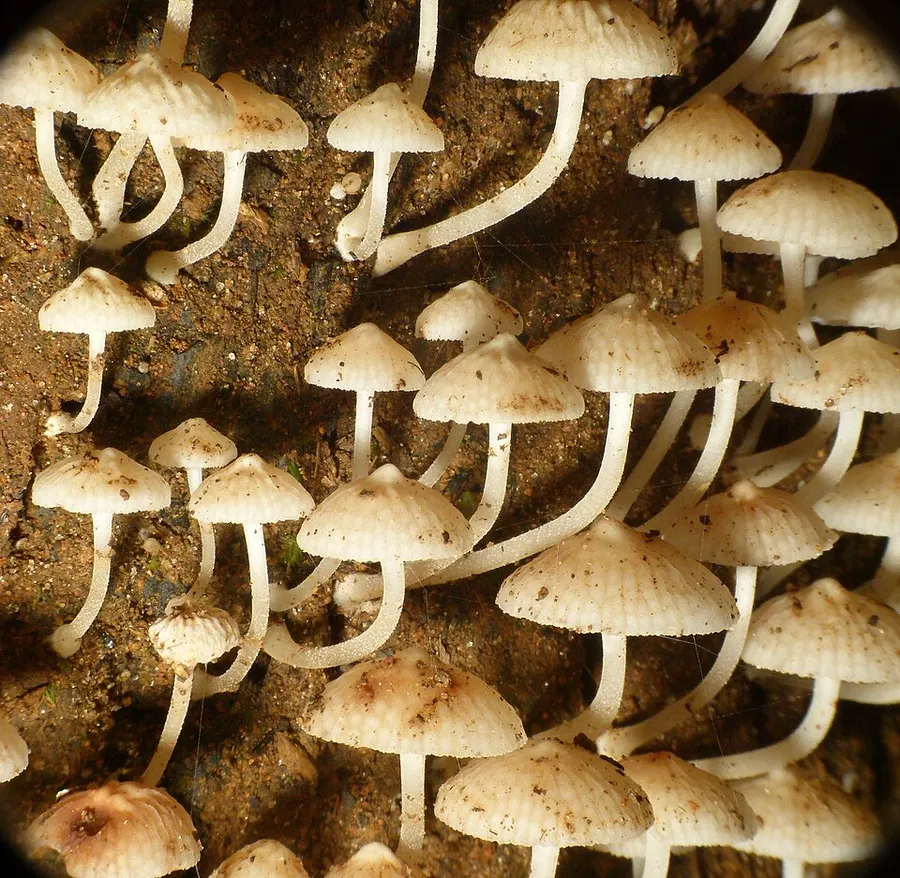
Filoboletus manipularis is a macrofungus, so it disperses its spores using fruiting bodies. Fruiting bodies are typically clustered together and have similar morphologies. Differences in morphology are generally seen between different clusters. The clustered fruiting bodies have few, if any, distinct differences. The observed morphological variants have not been attributed to any genetic variations. The shape of the pileus in Filoboletus manipularis displays quite a bit of variation with cone-shaped, flattened, umbonate, depressed, and convex caps being observed. The underside of the pileus has pores, rather than gills, where spores are grown and dispersed. The size of the fungus's pileus ranges from about half-a-centimeter to about six centimeters in diameter. The stipes (stalk) size ranges from two to seven centimeters long.

Sebagian uraian ditampilkan dalam bahasa sumber; terjemahannya belum tersedia atau belum lolos pemeriksaan.

Rujukan: [1]

Pengukuran mengikuti objek, spesimen atau kultur, dan metode yang disebutkan sumber. Baca uraian asli untuk konteks lengkap.

02 / Kehidupan

Habitat dan peran ekologis

Filoboletus manipularis populations are found in tropical regions of Asia, Australia and the Pacific Islands. Fruit body clusters are typically found in forests on rotted or rotting wood. Currently, Filoboletus manipularis is considered endangered in the Chiba Prefecture of Japan. But, in the Miyazaki Prefecture, it has been listed as "near threatened".

Sebagian uraian ditampilkan dalam bahasa sumber; terjemahannya belum tersedia atau belum lolos pemeriksaan.

Rujukan: [1]

Habitat atau konteks temuan
hutan
Substrat
Informasi belum tersedia pada sumber rilis ini.
Peran atau konteks
Belum dikategorikan pada rilis ini.
Temukan hubungan serupa
03 / Siklus hidup

Reproduksi

Filoboletus manipularis is a macrofungus, so it disperses its spores using fruiting bodies. Fruiting bodies are typically clustered together and have similar morphologies. Differences in morphology are generally seen between different clusters. The clustered fruiting bodies have few, if any, distinct differences. The observed morphological variants have not been attributed to any genetic variations. The shape of the pileus in Filoboletus manipularis displays quite a bit of variation with cone-shaped, flattened, umbonate, depressed, and convex caps being observed. The underside of the pileus has pores, rather than gills, where spores are grown and dispersed. The coloration of Filoboletus manipularis changes depending on its maturation state.

Sebagian uraian ditampilkan dalam bahasa sumber; terjemahannya belum tersedia atau belum lolos pemeriksaan.

Rujukan: [1]

Sinonim menurut acuan taksonomi rilis: Favolaschia manipularis; Favolus manipularis; Laschia manipularis; Mycena manipularis; Mycena manipularis var. micropora; Polyporus microsporus; Poromycena manipularis
04 / Batas informasi

Catatan identitas dan cakupan

  • Nama diterima mengikuti Catalogue of Life Base2026-09-11; uraian mempertahankan konsep dan nama sumber aslinya.
  • Original geographic, specimen and life-cycle scope retained; source import awaits individual editorial review.
  • Impor dan terjemahan otomatis belum diperiksa editorial per profil. Struktur reproduktif yang disebutkan tidak membuktikan seluruh siklus hidup diketahui.
  • Pengukuran pada uraian mengikuti spesimen, kultur, dan metode sumber; angka tidak diperluas ke semua populasi.

Catatan distribusi dalam narasi mengikuti sumbernya. Dokumentasi spesimen atau foto mengikuti catatan sumber. Bukti wilayah Indonesia dan penilaian konservasi tidak disimpulkan dari gambar.

05 / Dokumentasi

Melihat dengan konteks

Dokumentasi Filoboletus manipularis dari Wikimedia Commons. Caps of Mycena cf. manipularis (= Favolaschia manipularis ) from Wynaad Identifikasi mengikuti record berkas sumber.

Jenis
Fotografi
Kredit
Shyamal
Sumber media
Buka entri sumber

Gambar menunjukkan objek menurut identifikasi sumber, bukan verifikasi independen spesimen oleh Fungi. Tidak ada skala baru yang ditambahkan.

06 / Rujukan

Sumber profil

  1. [1] Filoboletus manipularis — Wikipedia (en)Bagian sumber: Frozen revision 1293533478
    Tanggal penghimpunan sumber: 2026-10-12
    Teks sumber: CC BY-SA4.0 · Wikipedia contributors
  2. [2] Catalogue of Life Base2026-09-11 — Filoboletus manipularisBagian sumber: ColDP NameUsage.tsv ID 6J33T; accepted species; source 2073
    Tanggal penghimpunan sumber: 2026-10-12
  3. [3] Dokumentasi visual — Filoboletus manipularisBagian sumber: Individual media record; identification follows the source, not independent determination
    Tanggal penghimpunan sumber: 2026-10-12
    Media sumber: CC BY-SA 4.0 · Shyamal

Adaptasi teks: CC BY-SA 4.0. Wikipedia contributors — Filoboletus manipularis — Wikipedia (en)

Uraian asli dan riwayat sumber

Riwayat atau halaman sumber

Ringkasan sumber

Filoboletus manipularis is a macrofungus, so it disperses its spores using fruiting bodies. Fruiting bodies are typically clustered together and have similar morphologies. Differences in morphology are generally seen between different clusters. The clustered fruiting bodies have few, if any, distinct differences. The observed morphological variants have not been attributed to any genetic variations. The shape of the pileus in Filoboletus manipularis displays quite a bit of variation with cone-shaped, flattened, umbonate, depressed, and convex caps being observed.

Revisi sumber

Morfologi sumber

Filoboletus manipularis is a macrofungus, so it disperses its spores using fruiting bodies. Fruiting bodies are typically clustered together and have similar morphologies. Differences in morphology are generally seen between different clusters. The clustered fruiting bodies have few, if any, distinct differences. The observed morphological variants have not been attributed to any genetic variations. The shape of the pileus in Filoboletus manipularis displays quite a bit of variation with cone-shaped, flattened, umbonate, depressed, and convex caps being observed. The underside of the pileus has pores, rather than gills, where spores are grown and dispersed. The size of the fungus's pileus ranges from about half-a-centimeter to about six centimeters in diameter. The stipes (stalk) size ranges from two to seven centimeters long.

Revisi sumber

Ekologi sumber

Filoboletus manipularis populations are found in tropical regions of Asia, Australia and the Pacific Islands. Fruit body clusters are typically found in forests on rotted or rotting wood. Currently, Filoboletus manipularis is considered endangered in the Chiba Prefecture of Japan. But, in the Miyazaki Prefecture, it has been listed as "near threatened".

Revisi sumber

Struktur reproduksi sumber

Filoboletus manipularis is a macrofungus, so it disperses its spores using fruiting bodies. Fruiting bodies are typically clustered together and have similar morphologies. Differences in morphology are generally seen between different clusters. The clustered fruiting bodies have few, if any, distinct differences. The observed morphological variants have not been attributed to any genetic variations. The shape of the pileus in Filoboletus manipularis displays quite a bit of variation with cone-shaped, flattened, umbonate, depressed, and convex caps being observed. The underside of the pileus has pores, rather than gills, where spores are grown and dispersed. The coloration of Filoboletus manipularis changes depending on its maturation state.

Revisi sumber

Rujukan halaman ini

Fungi. Filoboletus manipularis. Rilis data fungi-2026-10-12-expansion-2. https://fungi-atlas.mgadib.chatgpt.site/jamur/filoboletus-manipularis/.

Status: impor sumber; pemeriksaan editorial per profil belum selesai. Untuk klaim biologis, gunakan rujukan pada bagian terkait dan periksa konteks sumber aslinya.